
Field notes from the materials economy underneath AI.
Weekly coverage of the supply, policy, and capital flows that move the physical layer of the AI buildout, anchored in a Southern Hemisphere asset base most of the market underweights.
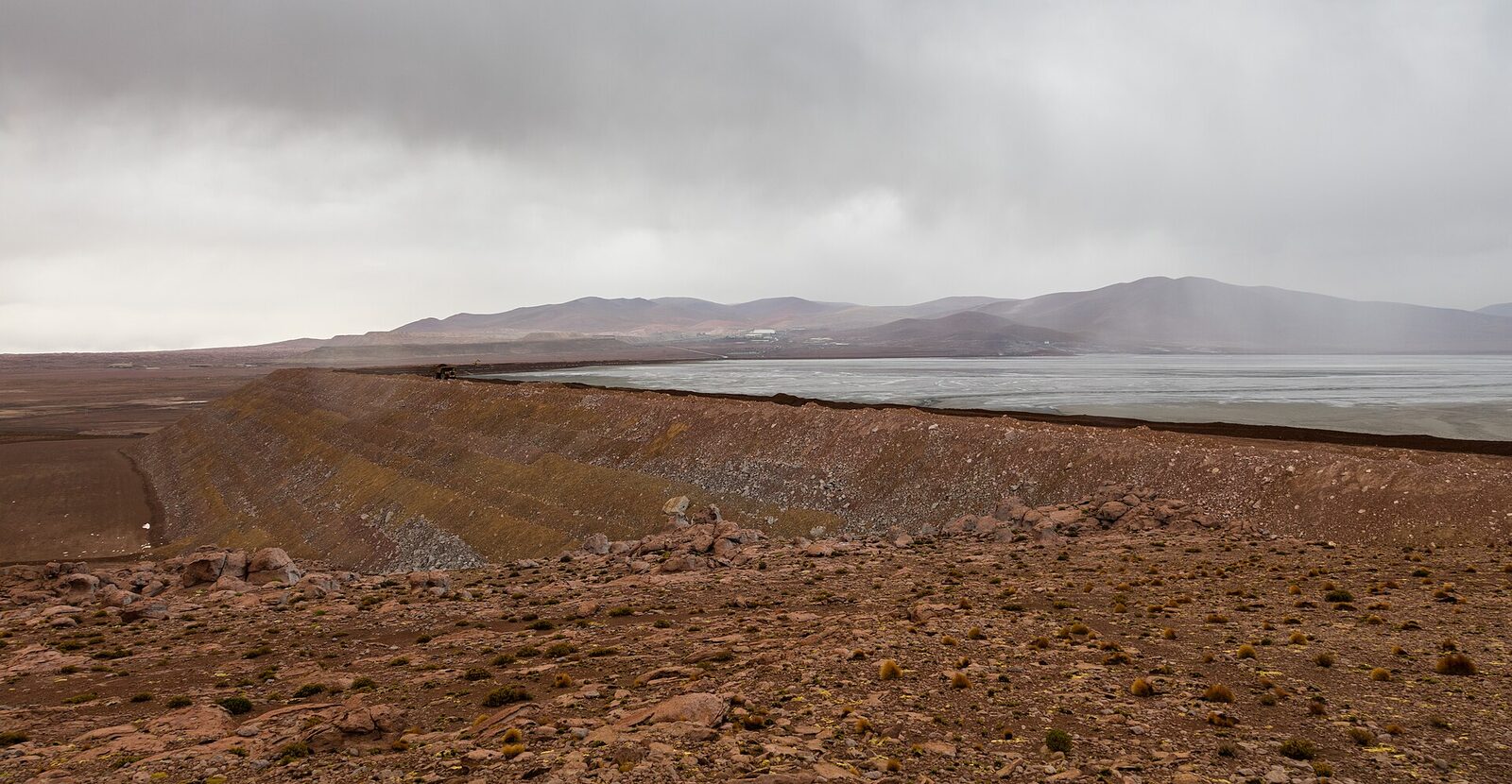
Tech companies want to own copper, not just buy it. Anglo says the talks are real and nobody has signed.
Anglo American's chief executive told an FT summit on 15 October that technology groups have shown "deep expressions of interest" in equity stakes to lock in metal for data centres. Washington is already lending into the same gap through Project Vault. In Brazil, Vale says a listing of its copper unit is not imminent, and Anglo's ferronickel has one credible buyer, from China.
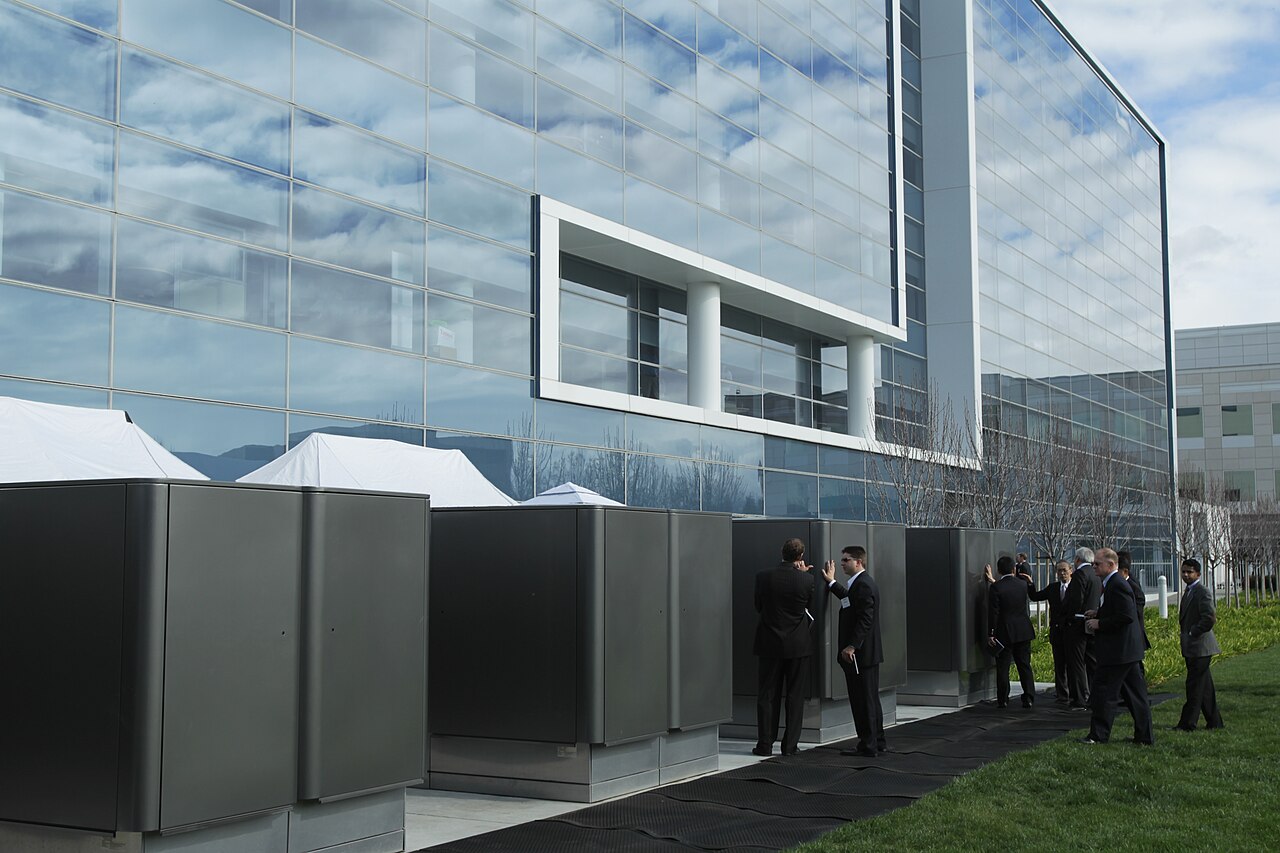
Google's Wyoming fuel cells run on a metal the world makes 80 tons of a year
AEP will spend about US$4 billion on 702 MW of Bloom fuel cells to power a Google campus near Cheyenne. Bloom's cells use a scandium-doped electrolyte, drawn from a byproduct market the USGS sizes at about 80 tons of oxide a year, led by China. Bloom says supply is secure. Its own annual report does not name the metal.
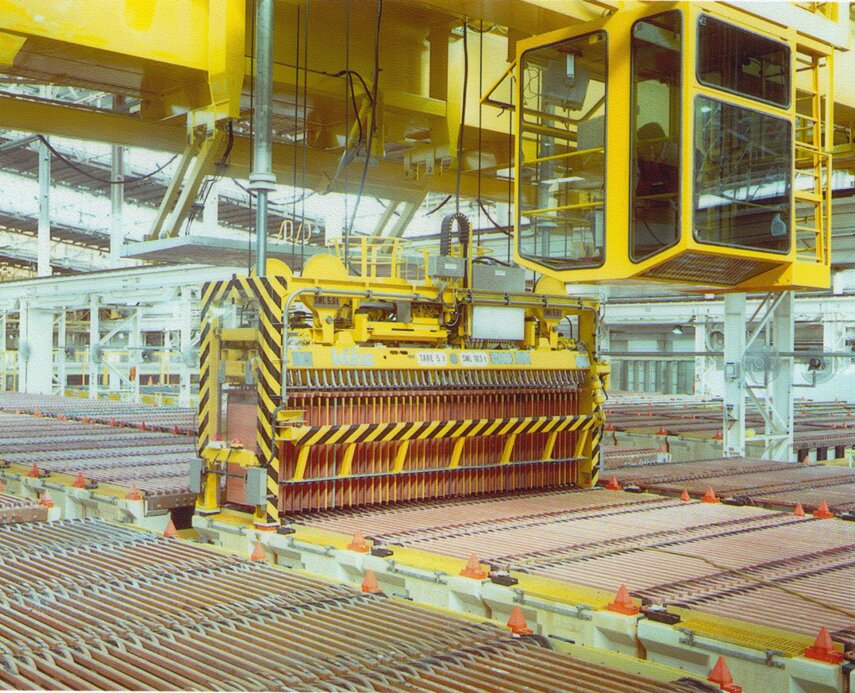
The copper study group now names AI as a demand driver. Its 2027 surplus still more than triples.
The International Copper Study Group sees refined copper in surplus by 104,000 tonnes this year and 368,000 tonnes in 2027, as smelters in Indonesia, India and Europe ramp up faster than consumption. The shortage the AI trade talks about is in the mine, not in the metal on the shelf.
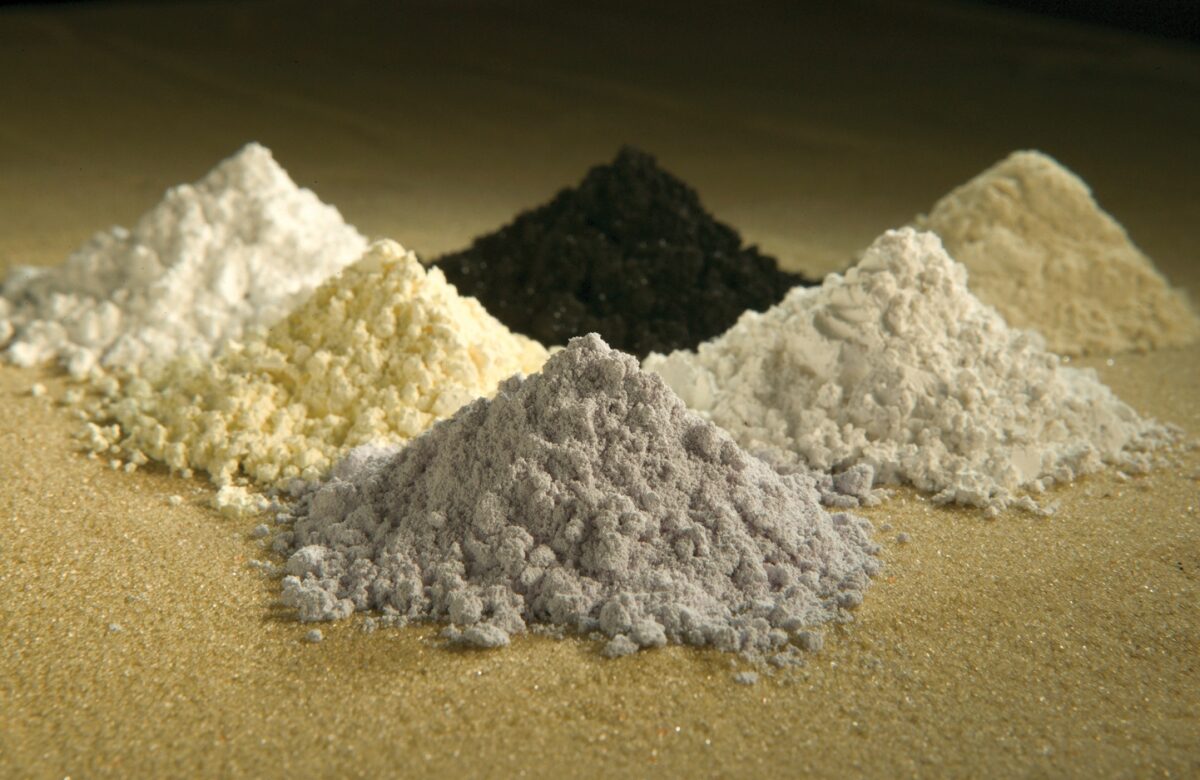
China bought 77,000 tons of rare earths abroad this year. Laos just froze the next mine.
Customs data out on 14 October show China imported about 1.76 tons of rare earths for every ton it exported through September. A week earlier Laos froze new rare earth approvals and set 2030 for ending raw ore exports, while Serra Verde's China contracts in Brazil run out at the end of 2026. The heavy rare earths behind the magnets in AI cooling hardware are getting harder to buy as raw ore.
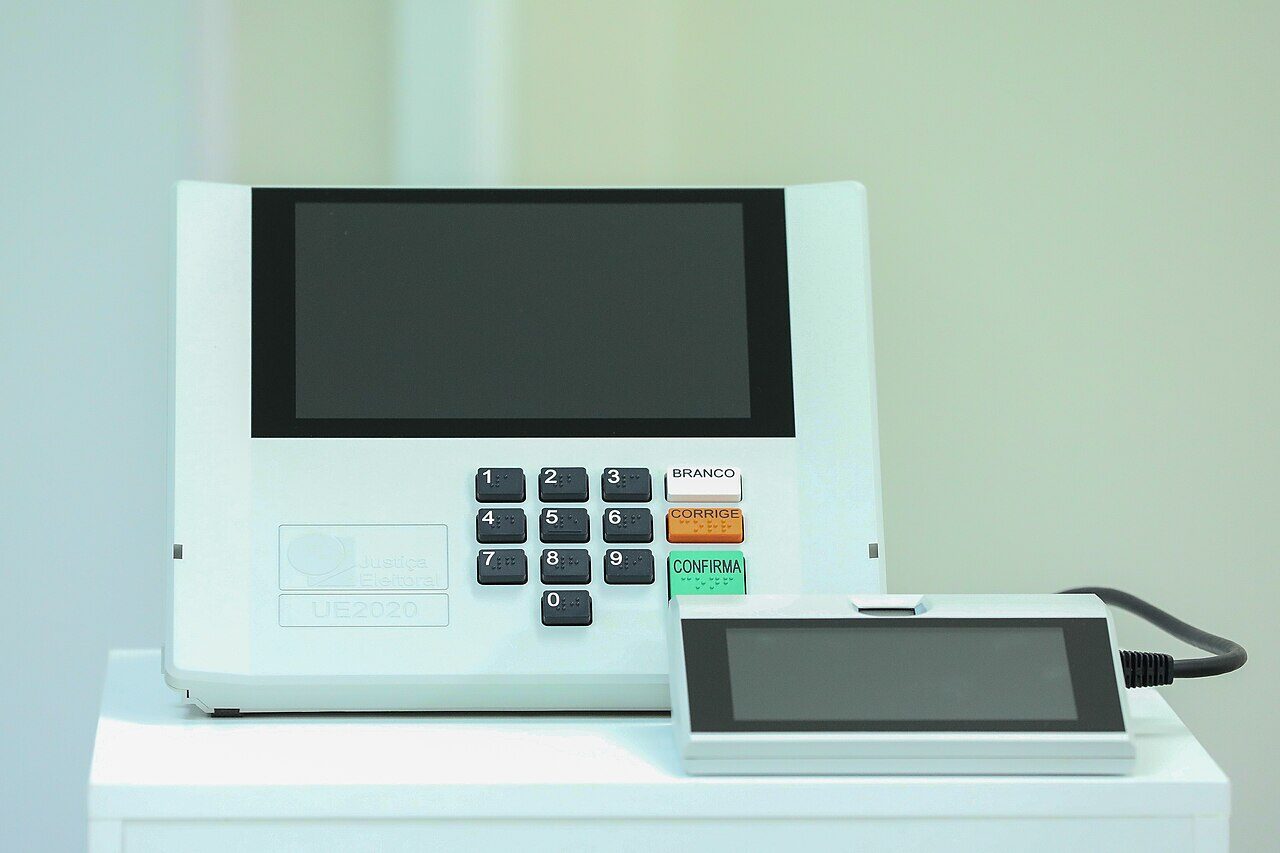
Both of Brazil's runoff candidates promise to process rare earths for the data center age. Neither program puts a number on it.
Lula and Flávio Bolsonaro go into the 25 October runoff with registered programs that tie critical minerals processing to AI and data centers. One leans on the state, the other on Washington and private capital. The winner inherits two laws already on the books and a separation gap neither plan prices.
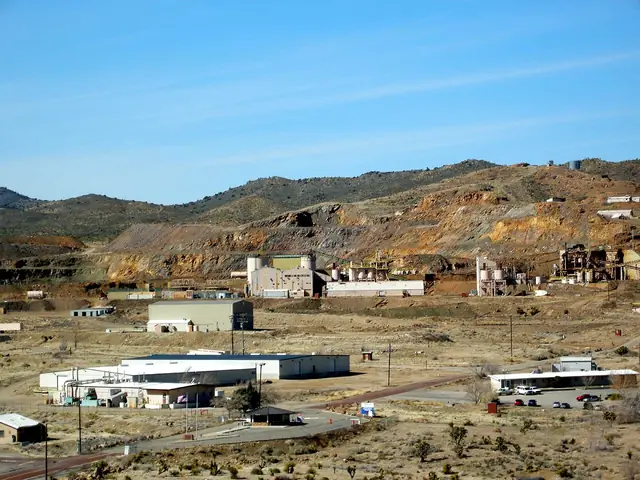
Brasília says Lynas will build one of the biggest rare earth separation plants outside China. Caldeira's US$498 million budget does not include it.
Mines and Energy Minister Alexandre Silveira told MINING.COM that Lynas has presented plans for an oxide separation plant in the Poços de Caldas region, and BNDES is weighing finance. Lynas's own filings still call Brazilian processing a possibility. The gap between those two positions is what Brazil's new minerals council will have to price.
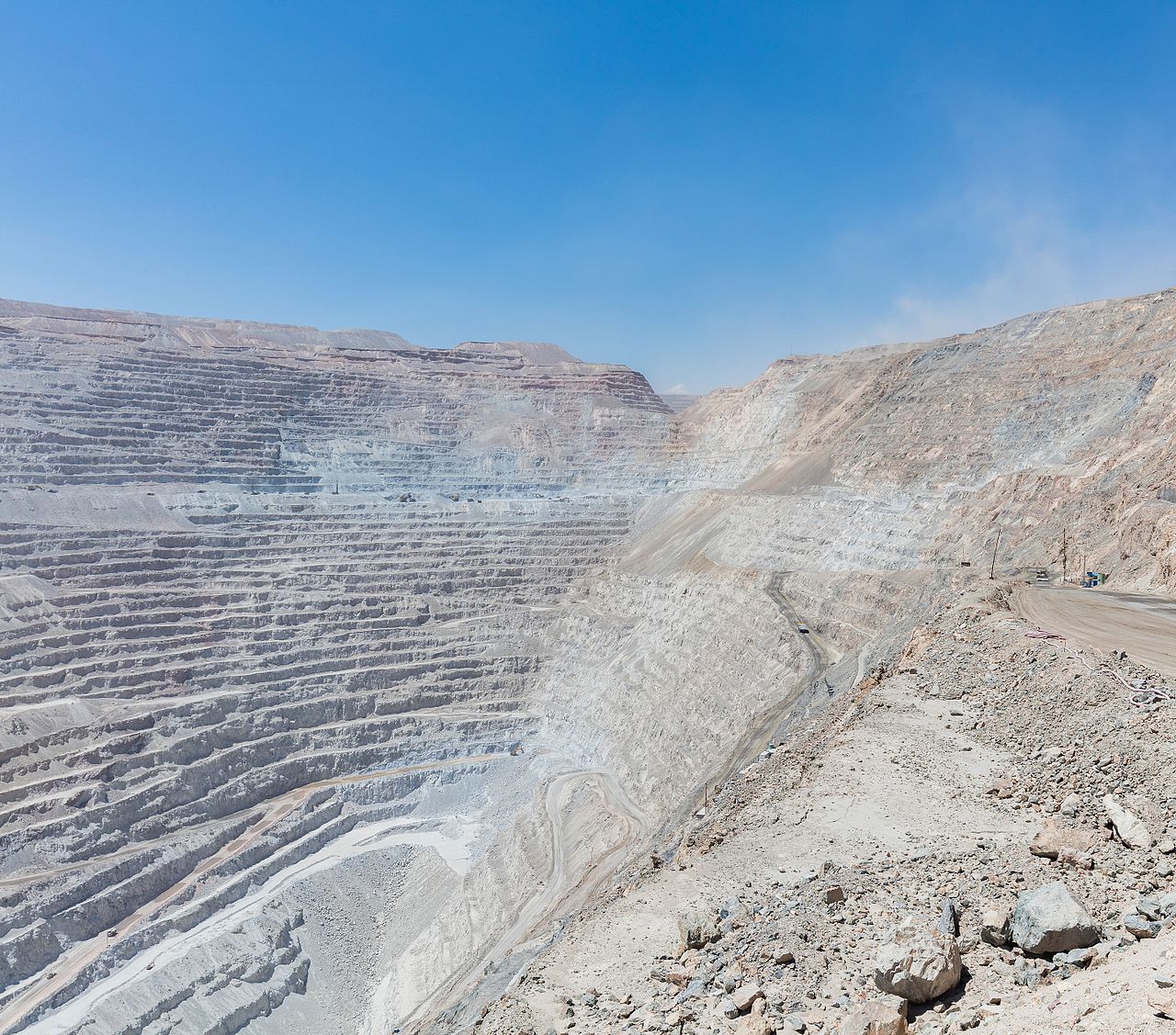
Chile mined its smallest copper month in Cochilco's series in August. Codelco now has a second audit on the numbers it is compared against.
Chilean mine output fell 12.7 percent to 366,300 tonnes in August, while Codelco's output rose 8.9 percent. On 6 October Codelco said the same material may have been booked twice by its Ministro Hales and Salvador divisions in 2024 and 2025. Two strikes are now live or pending at Centinela and Escondida.
Brussels fast-tracked 19 copper projects and left the financing to lenders. Washington's answer in Africa is to start buying equity.
On 9 October the European Commission added 46 strategic raw material projects, all inside the bloc, needing about €21.1 billion that it does not automatically provide. The same day the US development bank said it will take equity stakes in African critical minerals in place of loans. Brazil was on Europe's list last year and is not on this one.
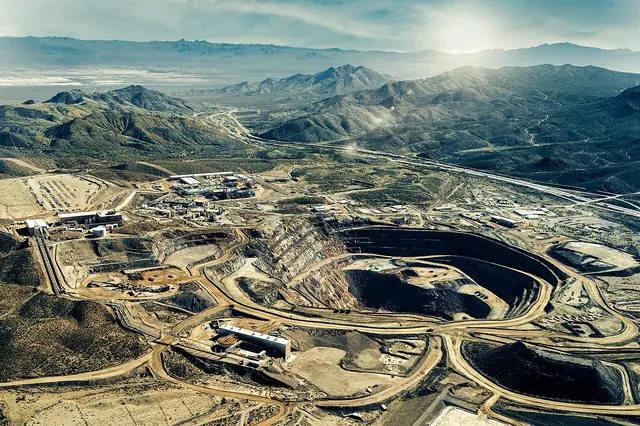
Brazil's mining deals hit US$5.9 billion in 2026. The council that now approves control changes has no deadline.
Alvarez & Marsal counts US$8.2 billion of disclosed mining M&A in Brazil since January 2025, with two rare earth deals carrying 42 percent of the value and Chinese buyers about 30 percent. Five deals worth US$3.6 billion were still open at the cutoff, and Lei 15.506 gives the new CIMCE approval power over changes of control with no statutory clock.
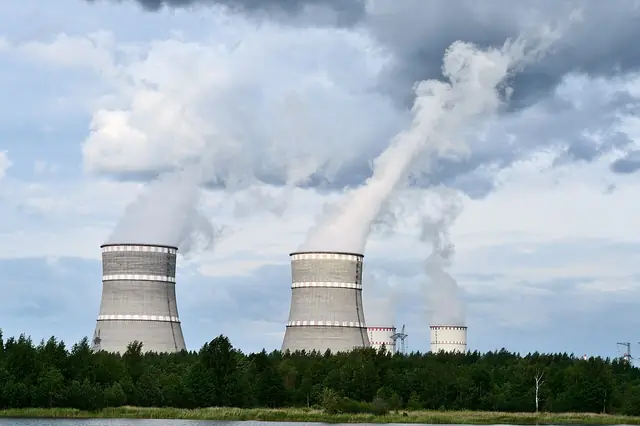
Brazil's new ten-year energy plan budgets 3.7 GW for big loads. The data center queue alone is 26.2 GW.
EPE's PDE 2036, opened for consultation on 8 October, takes large data centers from about 3 TWh to about 30 TWh a year. That is real growth and still about one gigawatt planned for every seven requested, and the R$ 127.1 billion transmission budget is sized to the plan, not the queue.
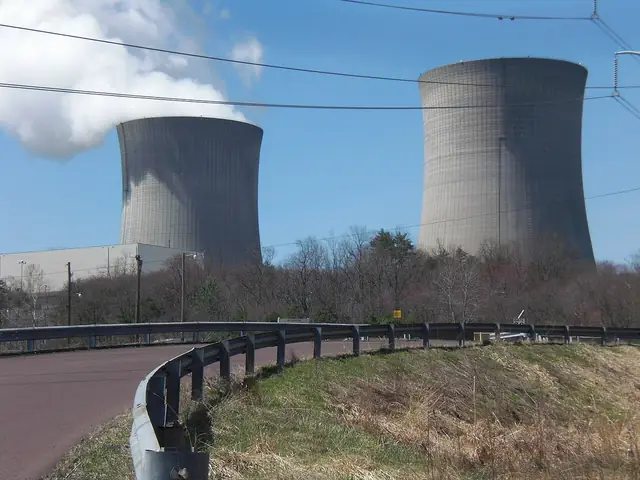
Google just ordered 890 megawatts of nuclear uprates at 11 reactors. The same turbine and transformer queue is now 15 percent of what America built in 20 years.
A 20-year Google PPA with Constellation funds $4.3 billion of upgrades across six PJM sites, six days after Amazon signed a 190 MW uprate at Calvert Cliffs. The binding inputs are turbines, generators, transformers and enriched fuel, and Brazil still sends uranium to Russia to cover part of Angra's fuel.
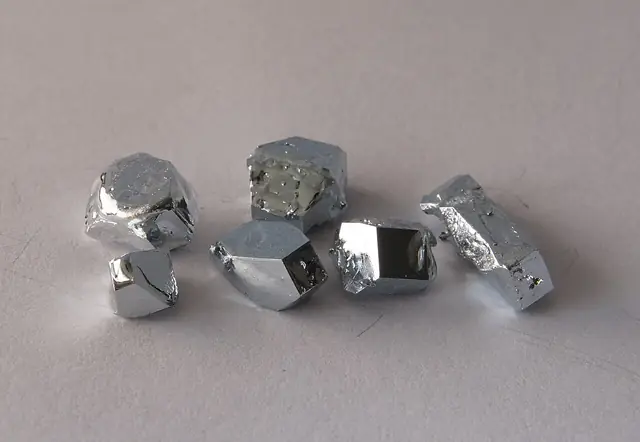
Korea Zinc's Tennessee smelter would add 54 tons of gallium, 6 percent of last year's world output. It arrives in 2030.
The federal environmental review is done and the money is lined up. But the gallium is a byproduct stream of a $7.4 billion smelter, it starts in 2030, and China's suspension of its US export ban expires in 52 days.
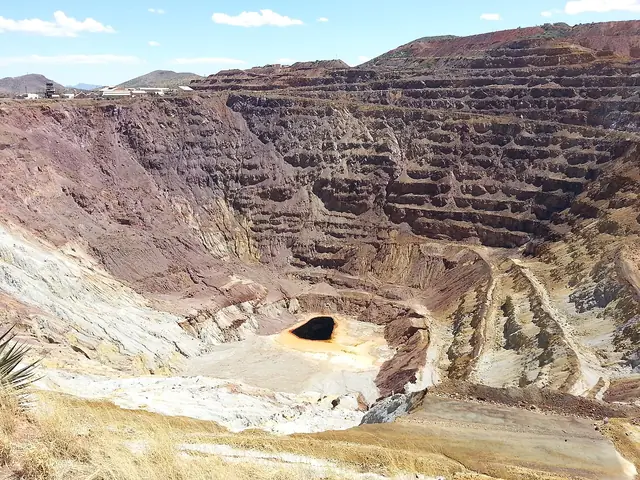
Escondida loses up to a fifth of its copper before anyone walks out
BHP has guided the world's largest copper mine to 1.0 to 1.1 million tonnes in FY27 on a 0.70 percent grade, down from 1.26 million. A 95 percent strike vote on 1 October sits on top of that. Vale's Salobo upgrade in Brazil fills between a tenth and a fifth of the gap, starting in 2028.
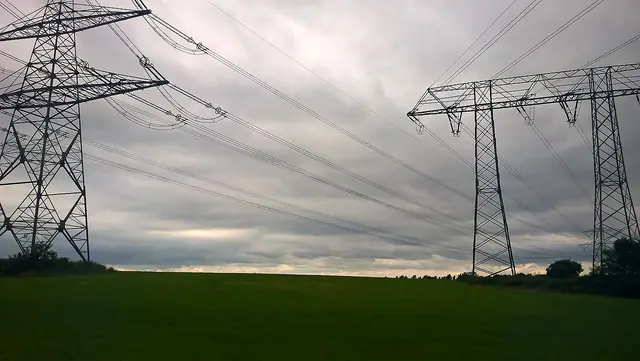
Michigan just priced what it costs a hyperscaler to walk away: fifteen years of bills
Regulators approved DTE Electric's 20-year contracts for Google's 1 GW Van Buren Township campus on October 1, with an 80 percent minimum bill and a termination payment worth at least 15 years of minimum charges. Brazil asks large loads for three years of grid charges. China skips the question by wiring the generation to the server.
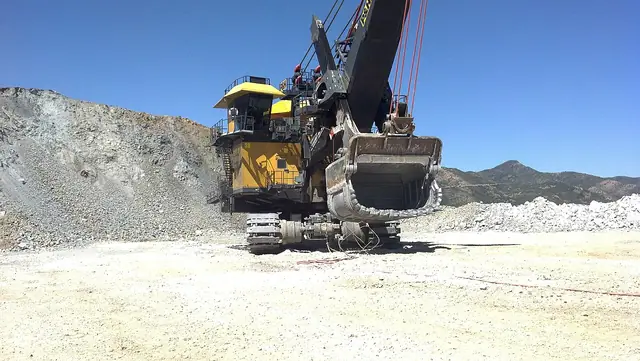
China's Copper Veto Has Nothing to Do With Competition. It Is a Purchase Order.
Reuters reports Beijing's antitrust regulator has asked Anglo American to guarantee concentrate flows as a condition of clearing the $54 billion Teck merger. The combined company would hold about 5 percent of global supply. Read as competition policy the demand is incoherent. Read as procurement it is the clearest statement yet of what China's smelter overbuild actually costs it.
Lynas pays 68 percent over market for Brazil's biggest ionic clay deposit. The step that turns it into magnet feed is still a study.
On October 1 Lynas agreed to buy Meteoric Resources for A$968 million, taking the Caldeira project in Minas Gerais five months after USA Rare Earth took Serra Verde. Brazil now hosts both flagship ionic clay assets outside China and still has no commercial heavy rare earth separation. Brasília is debating whether to tax the export of exactly what these mines will ship.
Reopen to Close: Panama Turns a Copper Restart Into a Shutdown Plan
A three-minister commission told President Mulino on 30 September to negotiate a Cobre Panama restart that pays for the mine's own permanent closure, with a fixed end date and no expansion. First Quantum fell as much as 36 percent.
Latin America put a price on above-ground risk. $54 billion, and the AI buildout pays it in mines that never start
A risk consultancy told a September 24 webinar that permitting, community conflict and security have cost or frozen more than $54 billion across the region since 2018. Strip out one 2015 tailings settlement and the documented losses fall to $6.3 billion. The number that matters is not the total. It is where capital is going instead.
Washington offers to fund Brazilian rare earth refining. The one producing mine pays royalties on the cost of digging.
US embassy sources told MINING.COM on September 28 that Washington is open to backing local processing. Brazil's mining agency has never published a reference price for rare earths, so Serra Verde's royalty base is its own mining cost. Minaçu has collected R$3.1 million since 2024.
A Goiás drill hole returned rare earths, niobium and tantalum. The same province's niobium complex has been Chinese-owned since 2016.
Rare Earths Americas reported first Homer-A assays on September 23: dysprosium and terbium in near-surface clay, plus niobium, tantalum and scandium zones, across 2.15 square kilometres of a 35 square kilometre magnetic anomaly. Read it as a district, not a hole. Goiás also holds CMOC's Catalão complex, an INB uranium block carrying tin and tantalum, and the only ionic clay rare earth mine outside Asia.
Washington found 23 gigawatts inside power lines that already exist. The order is aluminum, not copper.
DOE selected 31 SPARK projects on September 24: $1.9 billion federal against $3.35 billion of cost share, more than 1,500 miles of line rebuilt and nearly 21,000 miles instrumented. PPL's Pennsylvania award names the conductors. Brazil's planner listed the same instrument as an option and has costed conventional new build instead.
The cheapest new nuclear megawatt in America is a turbine, not a reactor. Google just subscribed to 96 of them.
Georgia Power filed a tariff on September 21 that lets a hyperscaler pay for uprates at Vogtle and Hatch and take the carbon credits. The physical order is turbines, pumps, motors and transformers. The whole half-century American uprate program produced 8,030 megawatts, less than Georgia Power's own six-year load forecast.
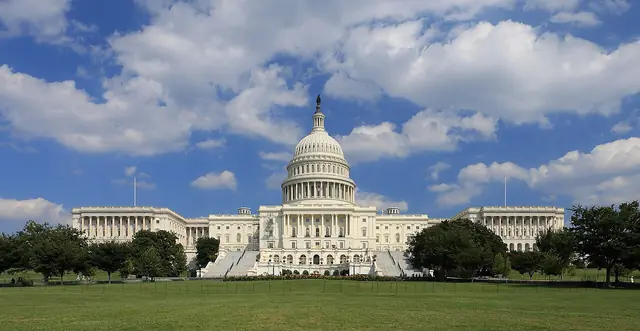
Washington Put Seven Billion Behind an Argentine Minerals Corridor. Six of It Points at Gas.
The Andes-Atlantic Corridor launched Wednesday as a critical minerals play. The State Department fact sheet books a non-binding EXIM term sheet of up to $6 billion for a Vaca Muerta LNG project. AI datacenters appear once, in the unfunded list.
Texas Just Closed the Door Data Centers Were Using to Get Around Texas
Abbott's September 21 letter orders TCEQ to issue no permits sought by data center projects, with no end date and only an October 19 reporting deadline. The August order reached the ERCOT interconnection queue. This one reaches the island-mode projects that were built specifically to avoid it.
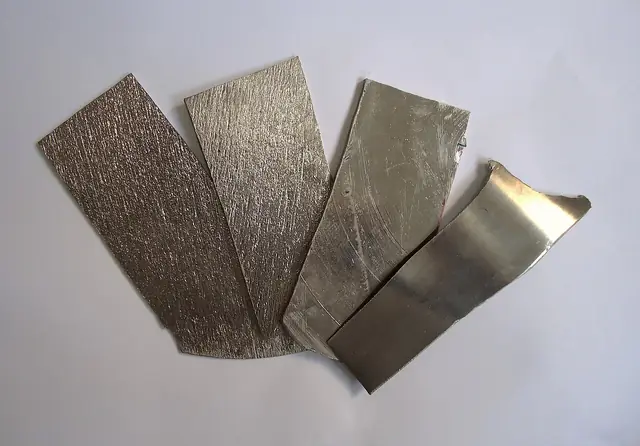
CBMM sized the AI bet at R$13 billion. Two billion of it is already in the ground.
Brazil produces 93 percent of the world's niobium and CBMM is the reason. The company has now put a six-year capital number on the oxide lines it says can serve AI data centers, and the 2026 tranche alone runs 82 percent above last year's.
The West Aimed at the Magnet. China Moved to the Part Around It.
JL Mag is targeting 60,000 tons of magnet capacity and a business selling finished robot rotors. MP Materials' largest planned plant is 10,000 tons. Magnet shipments to the US fell 21 percent in August, three days before Xi lands in Washington.
DOE listed twelve metals at five nuclear cleanup sites. Three are already leased to AI.
Washington wants private industry to haul copper, tungsten, platinum and vanadium off Cold War ground. It published no tonnages, and the smelters that would process the material are running under 70 percent outside China.
Beijing spent June blocking MP Materials. It may spend the autumn owning a piece of it.
Reuters reports state-owned China Rare Earth Group wants control of Shenghe Resources, which holds 3 percent of MP. Shenghe denies it. Brazil's Pela Ema, three weeks inside a US parent, is the asset that makes the question urgent.
Brazil has fewer than 50 people who can separate a rare earth. It needs 500 by 2040
The ANM said so on September 18, days after Lula sanctioned the critical minerals policy. China enrolls more than 500 students a year in rare earth degree programs across at least 11 institutions. The new law funds a research network and a PD&I levy. Neither compresses a training clock one former industry chief executive puts at three years per hire.
Google and Nvidia reopened a dormant 2014 trade group. The asset they bought was regulatory standing.
The AI Energy Management Alliance launched September 16 with three founders and eighteen launch partners, built on the shell of a demand response body that had gone quiet. It lobbies for flexible load in place of network upgrades. That is not a neutral swap: wires and flexibility order different materials on different decades.
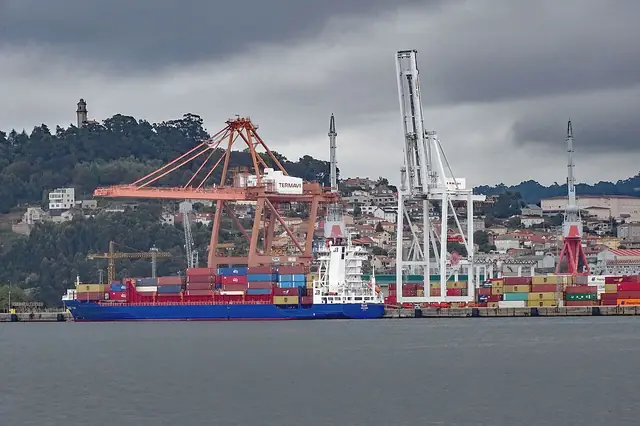
Brazil's minerals council can meet in ten days. Its first tax credit lands in 2030.
Lei 15.506 was sanctioned without vetoes on September 16 and the CIMCE decree was signed at the same ceremony. The PFMCE credits run 2030 to 2034. One day earlier the data center law was sanctioned with the rule on what may power the machines pushed to a portaria carrying no deadline.
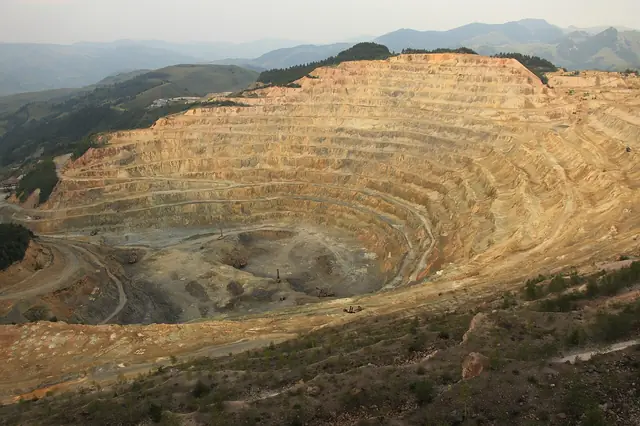
China still owns the mine. Congo changed where the copper goes.
Kinshasa's own half-year statistics put copper exports at a record 1,724,217 tonnes and say the share sold into the United States and Europe doubled. The instrument was not a takeover. It was a marketing right attached to state equity, and Brazil does not have one.
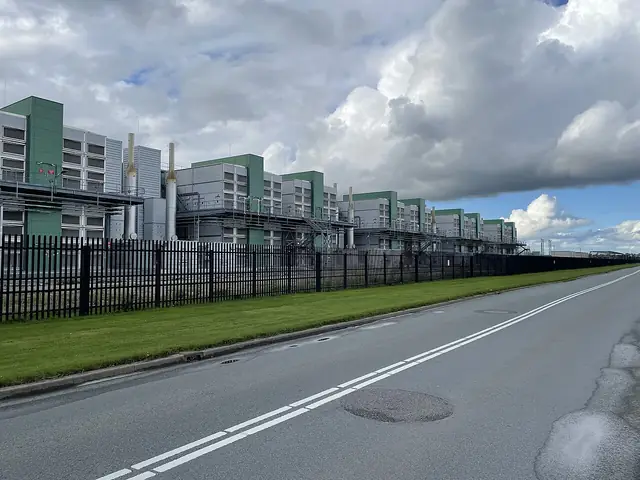
Diamond buys compute without a substation. Two Chinese suspensions expire 17 days apart.
Akash says diamond-cooled servers add up to 22 percent FLOPs per watt to hardware that already exists. Synthetic diamond and the CVD reactors that grow it sit under MOFCOM Announcement 55, paused to November 10. Gallium sits under Announcement 46, paused to November 27.
Saudi Arabia announced a heavy rare earth resource with no grade. Washington had already agreed to fund the refinery.
Prince Abdulaziz bin Salman used the IAEA General Conference to disclose 110 million tonnes of ore at Jabal Sayid, with no grade and no contained metal. The US agreed to finance 49 percent of the Saudi separation plant last November, and dysprosium and terbium are still on China's control list.
Brazil's biggest rare earth project started detailed engineering before it found the last US$280 million
Viridis named its EPCM contractor on September 11 and approved US$3 million to begin design work ahead of a final investment decision it has not taken. The debt that pays for construction is still unsigned, and the separation plant intended to take the output sits in France.
Beijing sanctioned the auditor. The shipments stopped on their own.
MOFCOM Order No. 2 put the Responsible Business Alliance on China's countermeasure list on August 5. Chinese suppliers began refusing US rare earth orders without being ordered to. The truce that expires November 10 never covered this channel, so the September 24 summit cannot extend it.
Washington promised Nairobi it backs local processing. Five days earlier it offered $750 million to a Louisiana separation plant
A senior State Department official rejected the extract-and-ship model in Kenya on September 9. On September 4, EXIM signalled up to $750 million toward a Port of Vinton facility built to separate South American rare earths. The DFC's entire committed African rare earth book is $62.8 million.
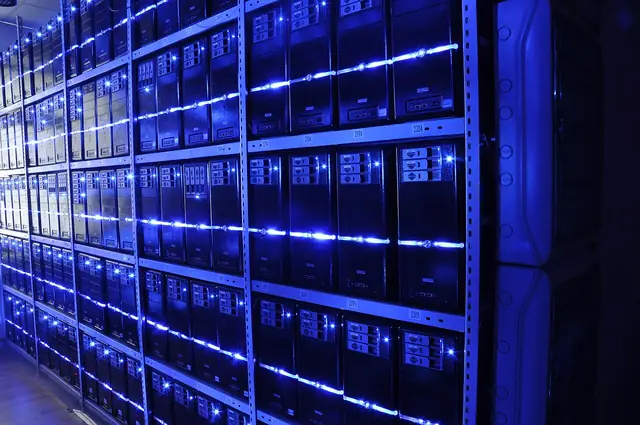
Oregon Stopped Selling Land to Data Centers. It Also Admitted It Cannot Stop Much Else.
Governor Kotek froze every unapproved easement, lease and transfer of state-owned property for data center projects through July 1, 2027, and gave agencies until September 14 to report their exposure. The same release concedes the state has no authority to go further. Brazil spent the same fortnight writing a water-efficiency number into the data center bill it just sent for signature.
Chile Digs a Quarter of the World's Copper. It Melts 4.2 Percent of It.
A new Cochilco study puts Chile's share of global smelted copper at 4.2 percent against 23 percent of mined concentrate, with the furnaces it already owns running at about 60 percent. The AI buildout's hardest physical input gets turned into metal somewhere else.
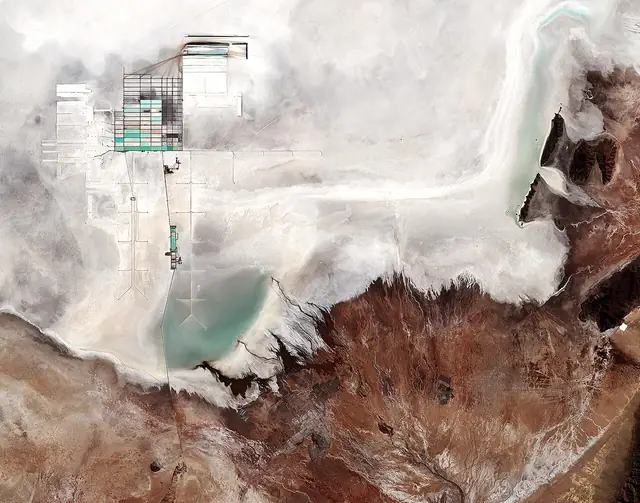
Brazil's Largest Lithium Mine Was Halted by a Radius, Not a Regulator
A federal judge suspended every environmental licence at Grota do Cirilo over a 2.721 km distance to the Baú quilombola territory. The 8 km rule that did it was confirmed on appeal in May. Sigma says it has not been served.
Brazil's data center connection queue is 26.2 gigawatts. The transmission that has actually been costed unlocks four.
EPE's own numbers: requests jumped from 19.8 GW to 26.2 GW in the sixty days after Redata was published. The only package studied, costed and recommended is R$ 1.6 billion in São Paulo, and it opens about 4 GW.
Brazil's best heavy rare earth project pays 34 percent of its gross revenue to Louisiana. EXIM just offered to fund the invoice
Aclara's Carina feasibility study books a US$314.4 million annual separation fee payable to a plant at the Port of Vinton that has not been built. On September 4 the company disclosed a US Export-Import Bank letter of interest for up to US$750 million toward building it.
Brasilia closed both of Brazil's open AI files in 48 hours. They point opposite ways.
The Senate passed the data center tax regime on September 1 and the critical minerals policy on September 2. Both sit with Lula now. One zeroes import tax on compute hardware. The other would create a council attached to the Presidency that homologates who is allowed to buy a mining title.
The West's heavy rare earth chain now runs Malawi to Kazakhstan to France. Governments set the price.
Lindian and Carester signed a binding 20-year offtake on September 2 for separation capacity at Stepnogorsk. The pricing clause is the story: payabilities are indexed to whatever floor France, the US or Japan puts under the market. Brazil is not on the route.
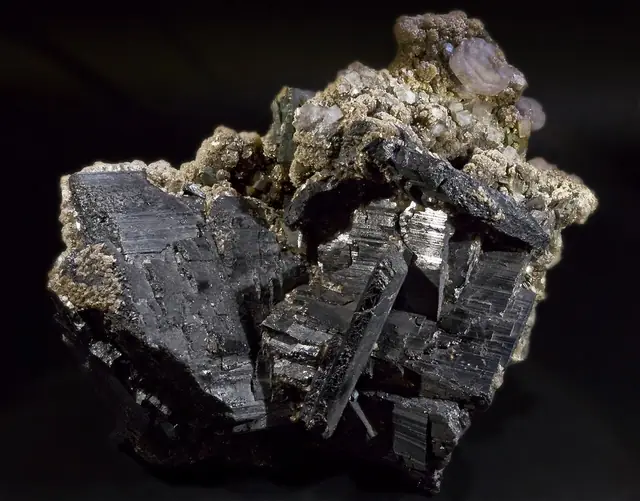
The West's largest tungsten answer arrived with a cost number and a calendar. First metal is 2029.
Tungsten Mining's Mt Mulgine prefeasibility study claims the world's lowest cash cost. The investment decision is six quarters away, and the deficit its own market case describes runs through 2028 and beyond.
A Rare Earth Magnet Plant Just Asked Korea for 750 Megawatts
Evolution Metals agreed principal terms with KEPCO to take its Pohang site from 130 MW to 750 MW. The midstream that is supposed to break China's magnet grip now bids for the same power blocks as the data centers that need the magnets.
Georgia cleared 3.2 gigawatts for OpenAI in 42 days without saying what will generate it
The Public Service Commission let a fully redacted contract close on a staff review that ended one day before commissioners next met. Georgia Power says the typical household saves $15 a month from 2029. The fuel behind the 3.2 GW has not been disclosed.
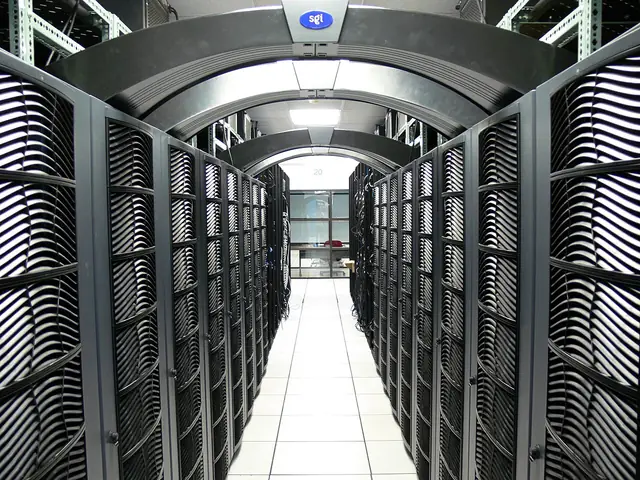
Brazil Rewrote Its Export Law So That Compute Counts as a Shipment
A Medida Provisória at the end of 2025 let a data center qualify for export processing zone benefits. The first tenant at Pecém is Chinese, draws 300 MW, and is legally forbidden from serving Brazilian users.
Brazil broke ground on a gigawatt-class AI campus this week. Its transformers were ordered in March.
Terranova started construction on Campus Campinas with a 300 MW substation and headroom to 1 GW. The Siemens Energy contract behind it was signed on 15 March, and the hardware is being built in Jundiaí and in China.
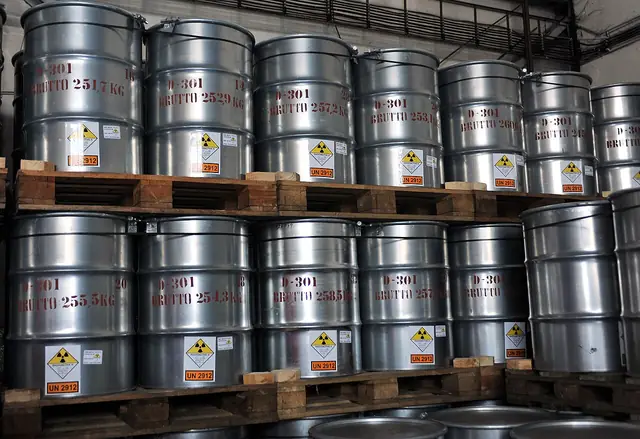
America broke ground on enrichment. The first new SWU arrives in 2032.
Urenco USA started building 2.1 million SWU at Eunice on August 18 with the Energy Secretary in attendance. Between now and 2032 the country adds 700,000 SWU and nothing else. Brazil's INB has the centrifuges and one customer.
Peru's copper answer is 240 permits. Las Bambas says the constraint is not paperwork
Prime Minister Luis Galarreta told Congress on August 20 that Peru will authorize 240 mining projects this year and expects $33 billion over five years. Two days earlier a fatal accident stopped Las Bambas, the wholly Chinese-owned mine that produced 410,829 tonnes in 2025.
Brazil's rare earth claim map is 42 percent foreign. The processing gate is still unwritten
AP and Reporter Brasil reviewed all 2,727 ANM rare earth exploration applications through June. Australia leads with 695, the US follows with 347, China has filed none. The bill that would condition access on domestic processing has read AGUARDANDO DESPACHO since May 8, per the Senate's own record checked on August 20.
Ottawa claims review power over a lithium mine it does not host
Canada issued a national security notice over the sale of an Argentine lithium project to a Chinese buyer. The asset is in Salta. The jurisdictional hook is the seller's Canadian listing, and that hook reaches Brazil.
Erbium broke ranks with the whole rare earth basket. It sits in the amplifier, not the magnet.
European erbium prices rose about 50 percent since the start of June while 13 of 19 tracked elements fell in August. Erbium's demand base is fibre-optic amplification, and China's suspension covering it lapses November 10.
Copper's Real Bottleneck Moved From the Mine to the Warehouse
LME copper stocks have fallen 42 days straight to 204,975 tonnes and traders paid a $434 premium for metal they can take today. The AI buildout's copper constraint is no longer geological. It is a delivery problem.
Vale Just Added 30,000 Tonnes of Copper Without Opening a New Mine
Coarse particle flotation at Salobo will lift copper output by up to 30,000 tonnes a year for about $175 million net, starting in the first half of 2028. With copper at record highs, the fastest new supply is metallurgical, not geological.
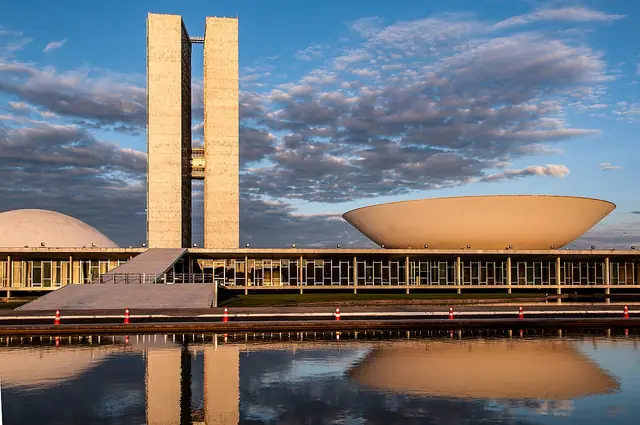
Brazil's minerals pipeline found a lender. It still has no buyer.
The IDB mapped 15 to 20 Brazilian critical minerals projects out of roughly 50 it assessed, and expects its first approval next year. Its president's condition: the rest of the world has to sign long-term purchase contracts.
Big Tech's turbine workaround is a marine engine. HD Hyundai just sold 1,000 MW of them.
Two gigawatt-scale engine deals landed in four days. Reciprocating engines won this cycle by beating the gas turbine queue. Wärtsilä's newest US order delivers in 2029 and 2030, which is where the turbine slots already were.
Washington's Biggest Minerals Cheque Went Toward Not Needing the Minerals
The largest commitment on August 7 funded a silicon anode plant. The smallest of the Pentagon's three loans funded magnets with no rare earths. Substitution is a demand-side risk few Global South suppliers are pricing.
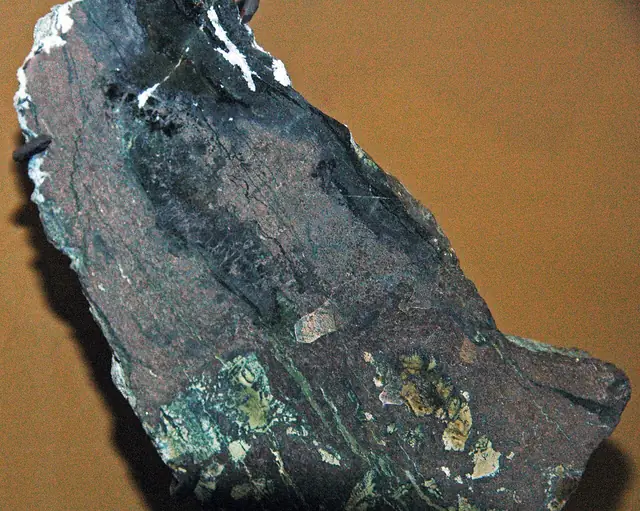
Congo reported no uranium output. Thousands of tonnes likely left in cobalt.
A Nature Communications study puts 2,000 to 5,000 tonnes of natural uranium in DRC cobalt shipments since 2000. A study co-author says under a tenth appears to have been declared and safeguarded.
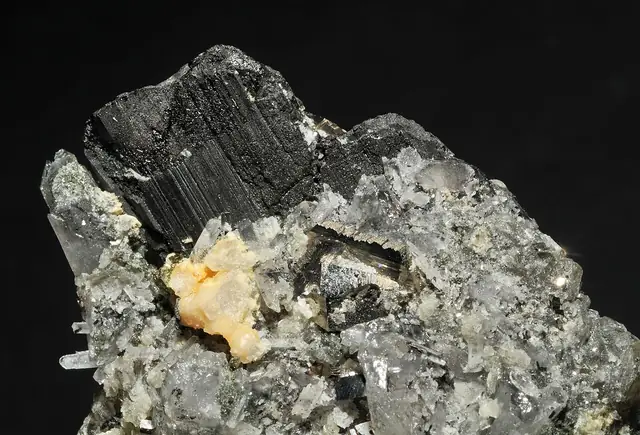
America finally found its tungsten. NASA closed a third of the claims.
3 Proton Lithium reported 1.78 million tons of inferred tungsten in Nevada on August 3, five times the next largest US deposit. A 2023 land order reserved 22,684 acres for satellite calibration.
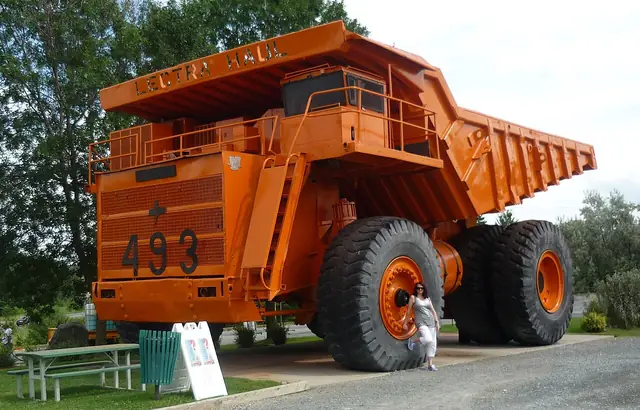
Washington's Newest Export Control Targets Its Own Scrap Heap
A July 30 presidential determination lets Commerce restrict exports of black mass and end-of-life magnets. It fences in feedstock for a domestic recycling industry that keeps going bankrupt.
Indonesia Wrote the Rare Earth Ban and Forgot the Number
About a hundred cargoes of alumina, copper cathode and nickel derivatives sat at Indonesian ports because Jakarta banned rare earth exports without defining how much rare earth counts. Brazil, China and the United States all wrote that number years ago.
Beijing's Battery Tax Reads Like an EV Story. It Is a Storage Story.
On September 1 China ends an 11-year tax break on lithium-ion cells. The headlines are about electric cars. The durable demand underneath is AI data center storage.
Tungsten's Next Chokepoint Is a Gas, and Two Japanese Plants Just Left
The desk tracked tungsten as scrap and as Kazakh ore. The purity chain ends in WF6, the gas that plates AI chip wiring, and its high purity supply is now walking out the door.
Brazil's Congress races to unlock 23 million hectares of critical minerals in the Amazon
ANM data shows 4,795 processes for copper, tin, nickel and rare earths across the Legal Amazon. Two bills would fast-track licensing. Indigenous consultation and environmental safeguards are the open questions.
Brazil Drills a New Heavy Rare Earth District and Floats a Gallium Play
While the majors' deals grab headlines, Brazilian Rare Earths declared a 9 kilometre Monte Alto district and is spinning out a bauxite-gallium company, the raw inputs the AI buildout still sources through China.
The AI Buildout Has the Money. It Cannot Buy Enough Transformers.
Google lifted 2026 capex to as much as $205 billion this week. The binding constraint is no longer capital, it is copper, electrical steel, and the transformers made from them. Brazil sits on both ends of that squeeze.
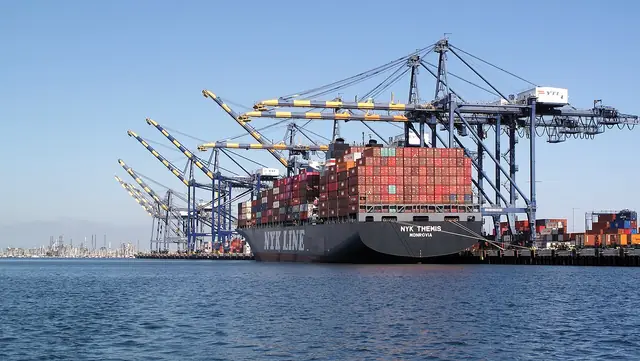
Washington asks Brazil to gate its critical mineral asset sales
The US has asked Brasilia to restrict sales of critical mineral assets, per a July 21 report. Brazil, holder of roughly 90 percent of world niobium, is keeping a multi-buyer stance that still includes China.
China's rare earth exports fell. Its magnet shipments hit records.
Beijing throttled the oxides and metals the West cannot yet make, cut those US shipments to zero in May, and squeezed Japan, while shipping more finished magnets than ever. The chokepoint moved downstream.
China's $300 Billion AI Plan Just Pulled Platinum Onto the Materials Map
Beijing's AI infrastructure spend is pulling platinum into chips, drives, and data center backup power as the metal runs a fourth straight deficit. South Africa holds 83 percent of reserves. Brazil holds an option.
Kimi K3 triggered a chip selloff. The physical stack underneath did not reset.
Moonshot's 2.8 trillion parameter open weight release hit TSMC and Nvidia on Friday. TSMC's own Q2 print, filed the day before, said the opposite. And if China's compute footprint routes through Chinese silicon, the materials bill routes with it.
TSMC lifts 2026 capex to $60 to $64 billion. Arizona commitment hits $265 billion.
Thursday's Q2 print answered Monday's preview with upside on every number the desk flagged. Revenue guidance to more than 40 percent, capex up 14 percent, another $100 billion booked for Arizona. The AI materials runway just got extended in a single call.
IEA puts a $6.5 trillion price tag on China's rare earth chokepoint
Global Critical Minerals Outlook 2026 quantifies the downstream damage if Beijing's October 2025 export controls take full effect. The year-delay clock runs down while refining concentration climbs.
Rio Tinto's copper cost cut lands as Codelco chair picks profit over volume
Rio Tinto cut its 2026 copper C1 guidance by roughly half on July 15, days after Chile's Codelco signaled it will chase margin, not tonnage. The marginal ton of AI copper is repricing outside the Andes.
TSMC's record June, and the packaging line the AI cycle runs through
TSMC posted NT$442.68 billion in June, its highest month ever, up 67.9 percent year on year. The Q2 print beats guidance and lands three days before Thursday's earnings call. CoWoS capacity is the binding number to watch.
Meta doubles Hyperion to 5 GW. The turbine backlog is the ceiling now.
Richland Parish jumps from 2 GW/$27B to 5 GW/$50B+ under a Meta-Entergy deal that funds seven new gas plants, three grid-scale batteries, and 240 miles of 500-kV line. The gating input is no longer land or capital. It is GE Vernova's slot book.
Washington funds the mines. Japan and Korea buy the oxide.
The Financial Times' read of MP, Energy Fuels, and Phoenix Tailings finds most US-funded rare earth output crossing the Pacific because domestic magnet capacity is a 2027 story. Serra Verde and Brazilian monazite face the same gap.
Pentagon Puts $300 Million Under Battery Lithium. Sigma Beats in Brazil. Beijing Still Refines.
The DLA's Project Vault tender for 16,170 tonnes of battery-grade lithium carbonate lands the same week Sigma Lithium beats Q2 guidance out of Brazil. The paradox: neither country can refine it at scale.
Virginia and New Jersey put a price on data center power on the same day
Governor Spanberger signed a $0.011 per kilowatt-hour data center electricity tax on June 30 that hit Data Center Alley on July 1. New Jersey lawmakers sent a 50-megawatt take-or-pay bill to Governor Sherrill hours later. Two mechanisms, one signal: the state cost of AI-driven power is now inside the Overton window.

CATL restarts Jianxiawo. The Chinese lithium floor comes back just as hyperscaler BESS scales.
The Jiangxi lepidolite mine restarted June 29 with a 100,000-tonne carbonate nameplate. Jefferies says hyperscalers add 20 GW of battery storage by 2035, and calls Chinese LFP the most compelling option. Sigma and SQM are the ones absorbing the pressure.
Rare earth exports enter Beijing's whistleblower era
MOFCOM Announcement No. 26 opened a public reporting window for strategic mineral export violations on July 1. Paired with a June germanium prosecution and Japanese detentions, dual-use exports are now criminal-liability terrain.
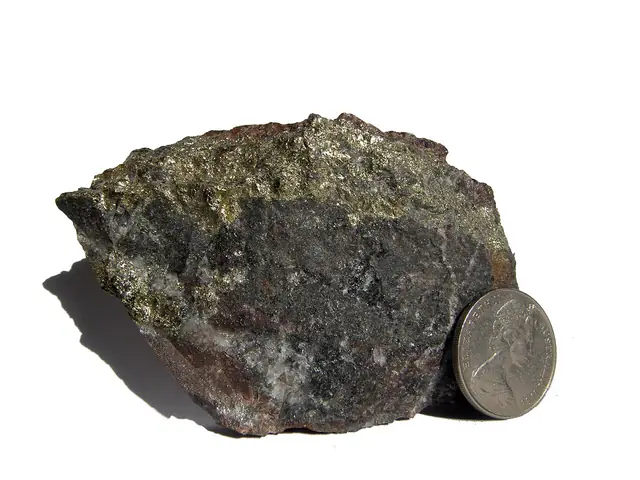
Four reactors critical by July 4. Two on HALEU, two that walked around it.
Antares and Valar burned HALEU TRISO. Deployable and Aalo ran on 4.95 percent LEU. Same week, Centrus signed a $900 million commercial HALEU contract for Piketon. The AI-nuclear fuel line just picked its ceiling.
The samarium gap in the US rare earth strategy
MP Materials' 10X plan solves neodymium. Samarium, the mineral behind US missile magnets, isn't in it. Brazilian monazite is one of the few off-China alternatives.
Germany brings its rare earth fund to Brasilia: six projects, one magnet plant, and a bet on Brazil over China
Foreign Minister Wadephul joined MME, BNDES, and ApexBrasil for an embassy event that put MagBras and six exploration companies in front of German capital. The message: Berlin wants partnership, not just purchase.
PJM tells AI data centers to run on diesel as record peak looms
Secretary Wright signed a second Section 202(c) order Tuesday, letting PJM shift 50 MW-plus data centers onto backup generators through July 3. The grid operator forecasts a July 2 peak that would break the 2006 record.
Aalo authorized, HALEU clock runs out, Beijing's hotline opens
DOE cleared Aalo-X on June 25, putting the third Reactor Pilot Program reactor inside Trump's July 4 deadline. Centrus's Phase III HALEU production contract closes today. MOFCOM's whistleblower channel for mineral exports goes live July 1.
Tooele and Norra Kärr: heavy rare earth processing locks in around China's November clock
In the same week, the Pentagon picked Tooele Army Depot for U.S. dysprosium and terbium processing, and Sweden cleared Norra Kärr for a 25-year mining lease. The new ex-China heavy rare earth axis is taking shape, with a Brazil-shaped hole in it.
Token costs fell 75 percent. Zhipu took the open weight lead. The data center math survives.
Per million token costs fell from roughly $10 to roughly $2.50 in a year per Ramp. Zhipu's GLM 5.2 dropped MIT licensed on June 13, sitting a point off Anthropic Opus 4.8 on FrontierSWE at a fifth of the cost.
RARA11: rare earth ETF debuts on the B3
Investo brings Brazilian investors direct access to the index that rises when the contest for critical minerals heats up.
Anglo and Codelco close the Los Bronces, Andina merger. The AI grid needed this copper.
After a September 2025 preliminary deal cleared antitrust and regulatory review, the two mines now run on one plan. 2.7 million tonnes of additional copper over 21 years, sized for a market the data centers are tightening.
Qualcomm books Meta and Microsoft. The agentic CPU bet doubles down on copper.
Investor Day unveiled the Dragonfly C1000, a $3.92B Modular buy, and anchor hyperscaler customers. The materials read is 160 kW racks, more copper per watt, and a longer queue at the substation.
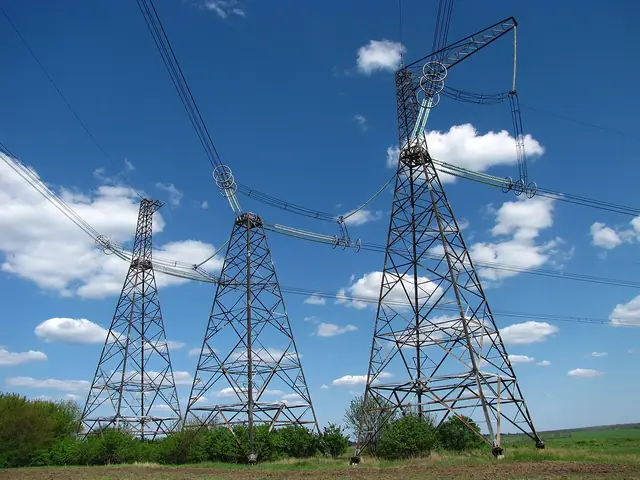
Chevron and Microsoft skip the grid. Project Kilby puts 2.67 GW behind the meter in Pecos, Texas.
A 20-year PPA, a co-located gas plant in the Permian, GE Vernova turbines, and Engine No. 1 as financier. The hyperscaler power model just changed.
Beijing names MP and USA Rare Earth. Brazil's Serra Verde walks into the trade war.
MOFCOM added the two US rare earth majors to its export control list on Monday. USA Rare Earth's pending $2.8 billion takeover of Brazil's Serra Verde, the only producer outside Asia of all four magnetic rare earths at scale, now sits inside an active retaliation cycle.
SpaceX becomes the fifth hyperscaler. Reflection signs $6.3B. The compute landlord economy is here.
Reflection AI agreed Monday to pay SpaceX $150 million a month for GB300 access at Colossus. With Anthropic at $1.25B per month and Google at $920M, the SpaceX compute backlog clears $80 billion. The materials and power math sits underneath.
Wall Street caught up to copper. Panama opened a door. Iran said the strait is closed.
Goldman raised forecasts on June 1. Jefferies followed on June 8. HSBC warned of a super-squeeze on June 2. Panama's SGS audit on June 19 puts Cobre Panama's 350,000 tonnes back on the table. Then on June 20 Tehran's military said Hormuz is closed.
Chile to file Salar Futuro this fortnight as Tianqi trims its SQM stake
NovaAndino is set to lodge the environmental study for a $3 billion direct-extraction lithium project targeting 280,000 to 300,000 tonnes LCE a year from 2031. Brazil's entire current output is one-fifth that. Tianqi is selling down.
G7 Évian wrote a 60 percent rare earth ceiling. Canada's 13 new bilaterals skipped Brazil.
The Évian declaration sets the first hard numerical target on rare earth source concentration. Canada walked away with 13 new bilateral deals worth more than $5 billion. None landed in Brazil.
Pentagon puts $1 billion on the rare earth midstream. Brazil's June was another deposit week.
Phoenix Tailings' Freedom Facility lands $500M conditional from the Office of Strategic Capital plus $500M of private capital, targeting 2028. The same week, Resouro logged a $1B Tiros PEA in Minas Gerais and the DLA inked a five-year ferro-niobium stockpile with CBMM. Three signals about who is funding which step of the mine-to-magnet chain.
China's rare earth tape clears 252.8 and Brazil's Serra Verde leaves the open market
CREIA's index hit 252.8 on June 15, heavy rare earths leading. Five weeks earlier the only scaled non-Asian heavy producer signed a 15-year offtake to a U.S. government vehicle. Commerce closed $1.6 billion in CHIPS capacity on June 3.
From Alto Paranaíba to Évian: Brazil's critical minerals moment accelerates
A TDK-backed battery giant takes a direct stake in a Brazilian REE-niobium project while Lula pitches the same geology to G7 leaders. Two events, one week, and a signal that Brazil is no longer a bystander in the supply chain chess game.
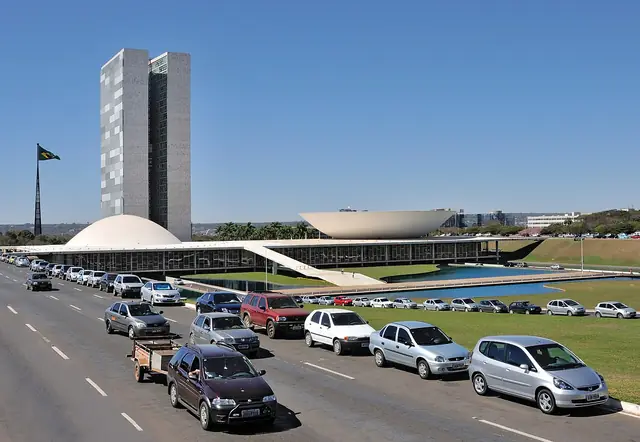
Belo Horizonte hosts critical minerals capital this week. The pitch is the architecture.
The third Brazil Critical Minerals Summit opens Tuesday with Atlas Lithium as co-host and Minas Gerais behind the lectern. The audience is Western capital checking whether Brazil's new financing stack actually deploys.
OpenAI's $500B Ohio lease lands on the uranium enrichment site. Piketon's two-tenant problem.
The reported 10 GW campus puts 9.2 GW of new gas on the Portsmouth Gaseous Diffusion site DOE just funded for centrifuge restart. Nvidia guarantees the lease. Brazil's R$15 billion Sovereign Plan was built for moments like this and did not bid.
Astana wrote the next chapter of the AI minerals trade. Brazil sent nobody.
The U.S. brought Ex-Im, DFC, and 20-plus companies to the Astana Mining Congress this week. A 1.4 million tonne tungsten deal moves to feasibility in H2. Brazil's R$15 billion Sovereign Plan, designed for exactly this moment, was not represented at the table.
The gas turbine is the new GPU. GE Vernova booked 100 GW and the queue closes through 2029.
Q1 2026 data center equipment orders at GE Vernova exceeded all of 2025. Lead times push 2029 to 2030. Meta and Microsoft signed multi gigawatt behind the meter gas deals this spring. The watt gap has a supplier.
100 GW of gas turbine backlog. Three-year wait. The AI buildout rediscovers the F-class.
GE Vernova's gas turbine backlog hit 100 GW in Q1. Data center electrification orders alone ran $2.4 billion, more than all of 2025. New slots get delivered in 2029. The Williams-Meta Socrates plant just got cleared in Ohio on June 9. Gas is the lock-in.
Cobalt at $56,000. The DRC isn't mining cobalt anymore. It's mining AI copper.
Glencore's Q1 numbers: African copper cathode running 68 percent ahead, cobalt down 39 percent. CMOC just put $1.08 billion into a copper expansion, not a cobalt one. The cobalt overhang under the DRC's 96,600-tonne quota is now a coproduct of the AI buildout's copper pull.
Tungsten scrap at 350%. The metal that wires AI chips is being bought in Home Depot parking lots
Chinese buyers are draining US scrap yards for tungsten ahead of a 2027 defense ban. The same metal forms the interconnects inside every AI accelerator.
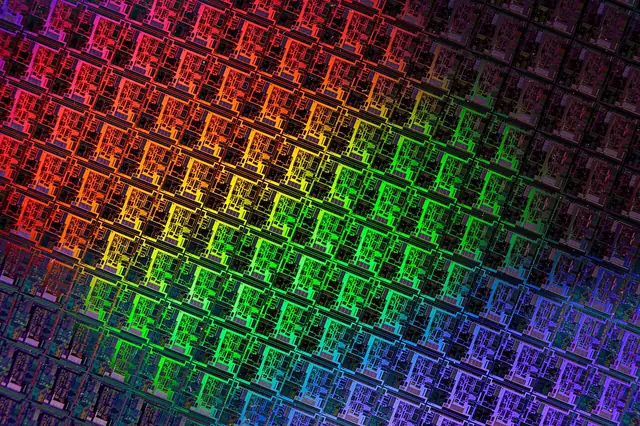
Germanium doubled. The fiber binding an AI campus runs through one Chinese chokepoint.
USGS clocked European germanium metal at $5,380 a kilo by October 2025, more than double the start-of-year print. US imports collapsed 67 percent after China's December 2024 ban. The Western fiber-grade precursor chain is one Oklahoma plant and one Alaska zinc stream.
13 GW of hyperscaler nuclear PPAs. Less than 20 percent of demand. The fuel chain is the real story.
A June 2 Carnegie paper audits every hyperscaler nuclear deal and gets to 102 TWh a year against a mid-range data center demand of 560. The next bottleneck is enrichment, where DOE just put $900 million into Piketon and Brazil's Resende sits idle on its second phase.
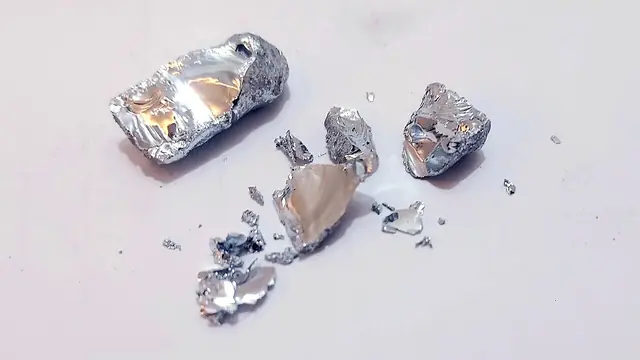
Gallium up 122 percent in twelve months. Brazil's alumina recovers none.
$2,269 a kilo printed on June 5. The metal that runs the AI server's power supply is bauxite's byproduct. The November 27 expiry on China's US suspension is roughly twenty-five weeks away.
Texas prices the AI grid. The map of hyperscaler capex starts to shift south.
ERCOT's Batch Zero rules, approved June 1, demand upfront deposits and site control from the first 100 GW tranche of a Texas queue that has now swelled to roughly 450 GW. The filter accelerates a competitive bid from Brazil and China for the spillover.
Tantalum ingots up 158 percent year to date. Brazil's biggest tin and tantalum mine is now Chinese.
KEMET raised tantalum capacitor prices for the third time in twelve months. Panasonic hiked 15 to 30 percent in February. The desk that took the metal's name has not written about it yet. Today it does.
Copper near $14,000 as Chile fades and Vale Base Metals lines up for its IPO
LME copper traded just under $14,000 this week, off the May 13 peak of $14,097, while Chile's April output fell 13.8 percent. Vale logged a Q1 copper record and is pushing its Base Metals IPO toward mid-2026.
Codelco's audit cracks the AI copper math. Chile just got worse in writing.
A May 21 firing. 27,000 tonnes misclassified between Chuquicamata and Ministro Hales. Chile's April total down 13.8 percent. The hyperscalers' load-bearing input has a credibility problem at the largest single source.
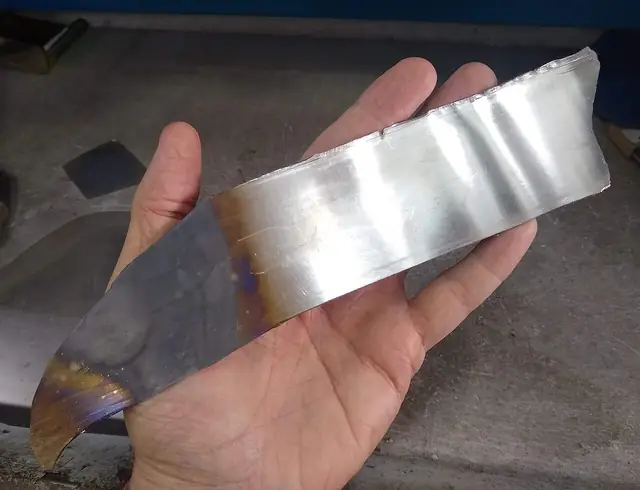
Two AI data center battery deals in six months. Both end at CBMM in Araxá.
Skeleton's Varkaus factory opened with CBMM oxide inside. Six months later, Nyobolt's $1 billion Series C had CBMM in the round. Brazil's niobium has an AI customer.
The helium bottleneck the AI chip cannot engineer around
QatarEnergy extended the Ras Laffan force majeure through mid-August. Asian fabs are rationing the gas EUV lithography cannot run without. Brazil sits on the right basins and has built no separator.
The watch item answered itself: USA Rare Earth buys Serra Verde for $2.8 billion
On April 20, USAR put $300 million in cash and 126.849 million shares on the table for the only producing rare earth mine outside Asia that delivers all four magnetic elements. The deal is the closest answer the West has to dysprosium and terbium without going through Ganzhou.
The Copper Bill Hyperscalers Cannot Outrun
Copper near $6.40, FAST-41 just extended to AI data centers and an Alaskan copper deposit, and China's smelters are working at a zero treatment benchmark. The AI buildout's most boring input is now its most binding.
The watt gap. Hyperscalers raised 2026 commitments to $710 billion and broke ground on a third of it.
Sightline Climate tracks roughly 5 GW under active construction against the 16 GW US operators planned for this year. China will energize 8 GW in 2026. Brazil quietly put its first phase live in May.
Lithium's record Q1 is not showing up in the equity tape
SQM lifted lithium guidance after Q1 net income rose 165 percent. Sigma Lithium posted record margins two weeks earlier. The Southern Diversification basket is still down 3.9 percent YTD.
The 167-day clock: China hardens rare earth controls as Brazil's R$15 billion bet hits the table
China's draft enforcement framework closes for public comment May 28, six months before two separate suspensions expire. Brazil's BNDES is racing the same calendar.
The first honest benchmark for AI agents just landed. China is ten points behind, not ten years.
UniPat's SaaS-Bench tested 14 frontier models on real professional work across 23 production SaaS systems. Claude Opus 4.7 led with 43.9 percent. Kimi K2.6 finished fifth at 34.1 percent. The compute story underneath that gap is the one Brazil should be reading.
Brazil adds a R$15 billion credit line to its critical minerals push. The R$1 billion Vale-BNDES fund is already deploying.
A new sovereign credit line for mine capex was presented to IBRAM in May. It sits alongside the R$1 billion exploration fund that has been investing since early 2025.
Chile pulled Collahuasi's desalination permit. Copper is at $14,000.
A May 15 tribunal ruling set aside the environmental clearance for the water plant Anglo and Glencore are counting on. Production was already running below plan, and AI demand only points one direction.
Pentagon contractors ask for a delay. Brazil and Australia are the winners.
The DFARS magnet ban kicks in January 2027. The West cannot meet it. The countries with rare earth production already underway just got more valuable.
Brazil's Critical Minerals Moment Is Here. Its Regulatory Framework Isn't
The country has the deposits. What it lacks is the bureaucracy to move them at the speed AI infrastructure demands.
Desk NoteTantalum Strategy launches
An independent research desk benchmarking the materials that power AI. Three proprietary indexes, weekly research, anchored in the Southern Hemisphere asset base.
No articles match.