
The materials economy
underneath AI.
Benchmarks, research, and advisory on the minerals, power, and supply chains that AI infrastructure is built on, with deep roots in Brazil and the Global South.
Drag to spin · click a dot · Non-dollar amounts converted at R$5.2, €0.89 and A$1.43 per US dollar.
The physical inputs whose supply must scale or AI infrastructure breaks.
Open the indexLatest research
See all research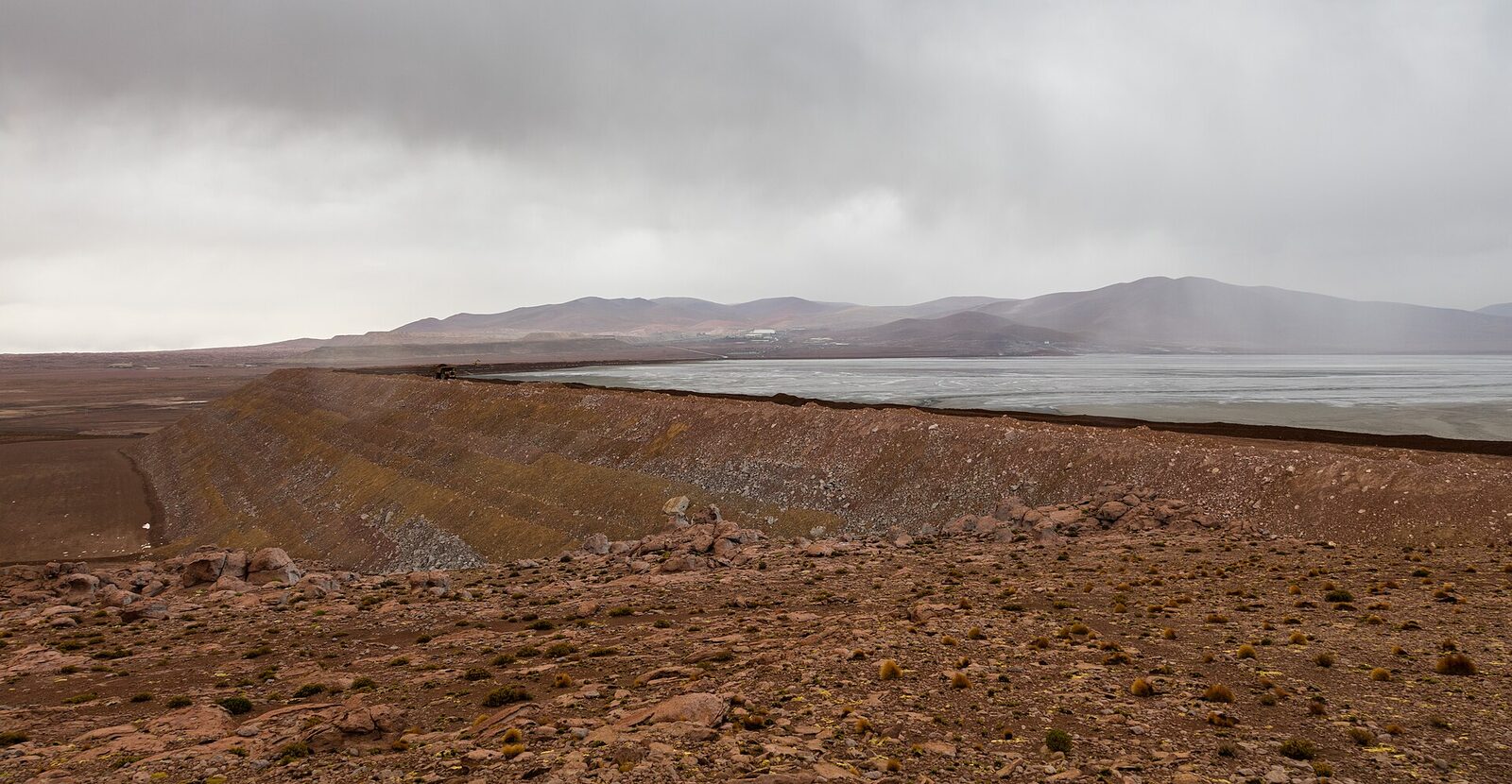
Tech companies want to own copper, not just buy it. Anglo says the talks are real and nobody has signed.
Anglo American's chief executive told an FT summit on 15 October that technology groups have shown "deep expressions of interest" in equity stakes to lock in metal for data centres. Washington is already lending into the same gap through Project Vault. In Brazil, Vale says a listing of its copper unit is not imminent, and Anglo's ferronickel has one credible buyer, from China.
Google's Wyoming fuel cells run on a metal the world makes 80 tons of a year
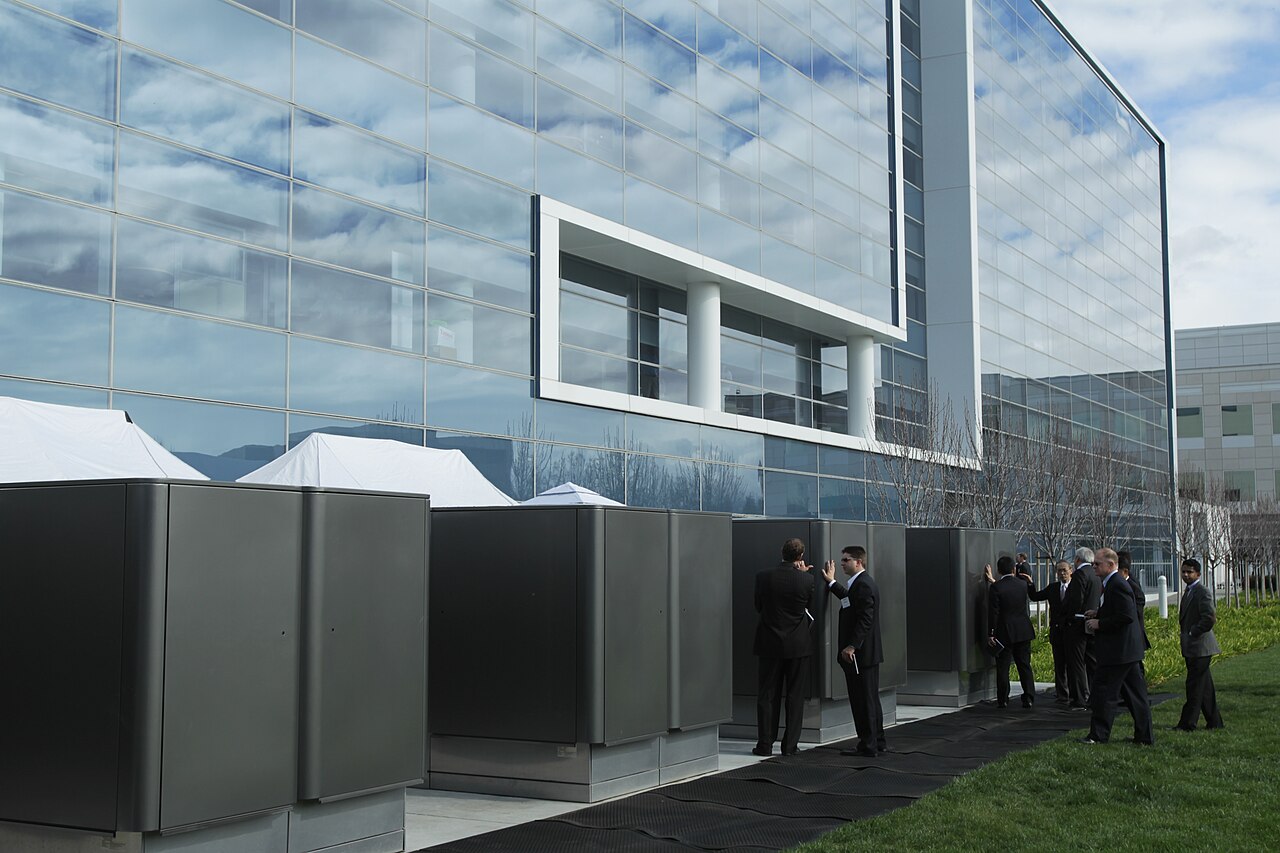
AEP will spend about US$4 billion on 702 MW of Bloom fuel cells to power a Google campus near Cheyenne. Bloom's cells use a scandium-doped electrolyte, drawn from a byproduct market the USGS sizes at about 80 tons of oxide a year, led by China. Bloom says supply is secure. Its own annual report does not name the metal.
The copper study group now names AI as a demand driver. Its 2027 surplus still more than triples.
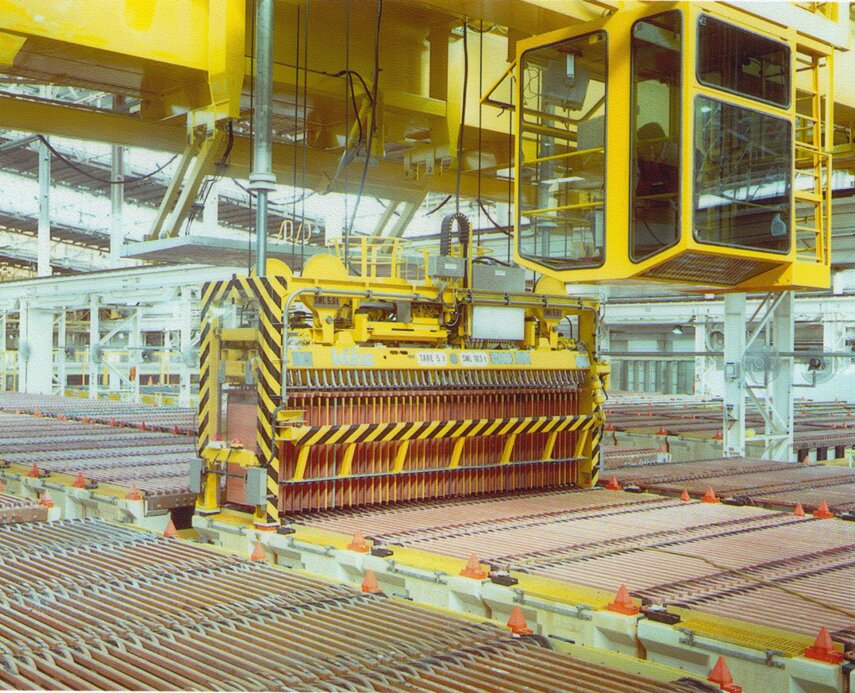
The International Copper Study Group sees refined copper in surplus by 104,000 tonnes this year and 368,000 tonnes in 2027, as smelters in Indonesia, India and Europe ramp up faster than consumption. The shortage the AI trade talks about is in the mine, not in the metal on the shelf.
China bought 77,000 tons of rare earths abroad this year. Laos just froze the next mine.
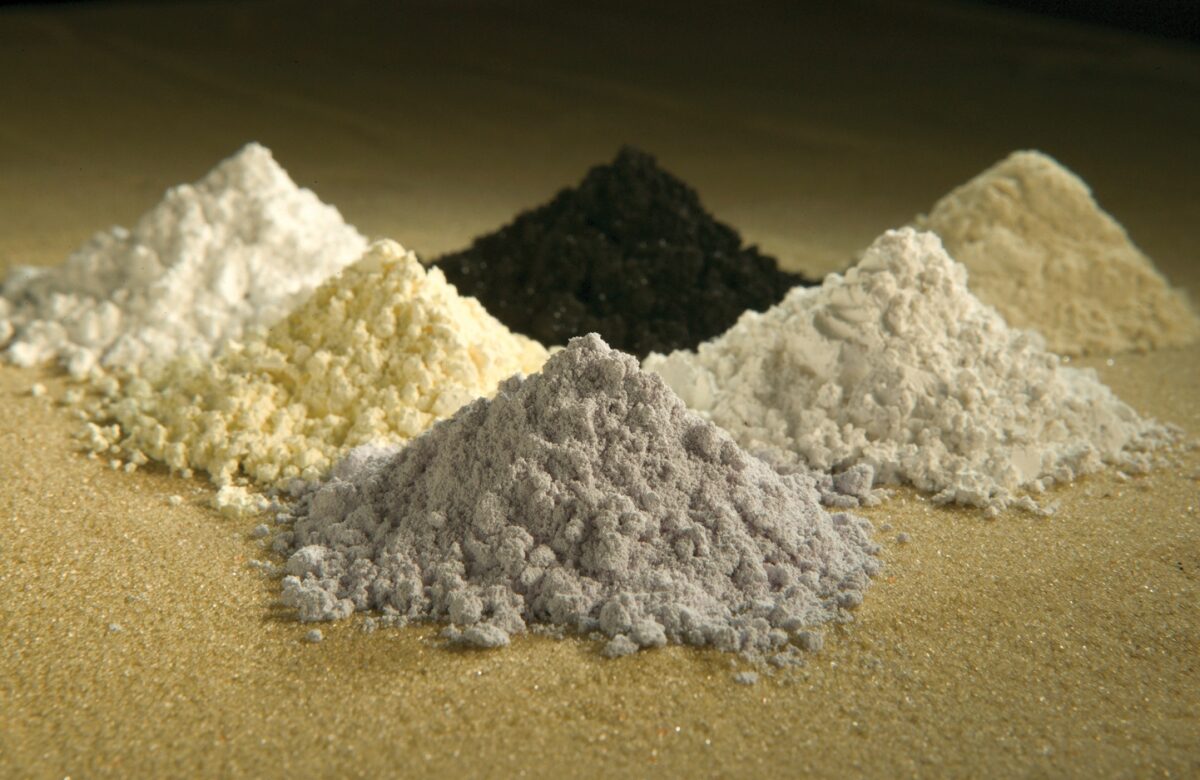
Customs data out on 14 October show China imported about 1.76 tons of rare earths for every ton it exported through September. A week earlier Laos froze new rare earth approvals and set 2030 for ending raw ore exports, while Serra Verde's China contracts in Brazil run out at the end of 2026. The heavy rare earths behind the magnets in AI cooling hardware are getting harder to buy as raw ore.
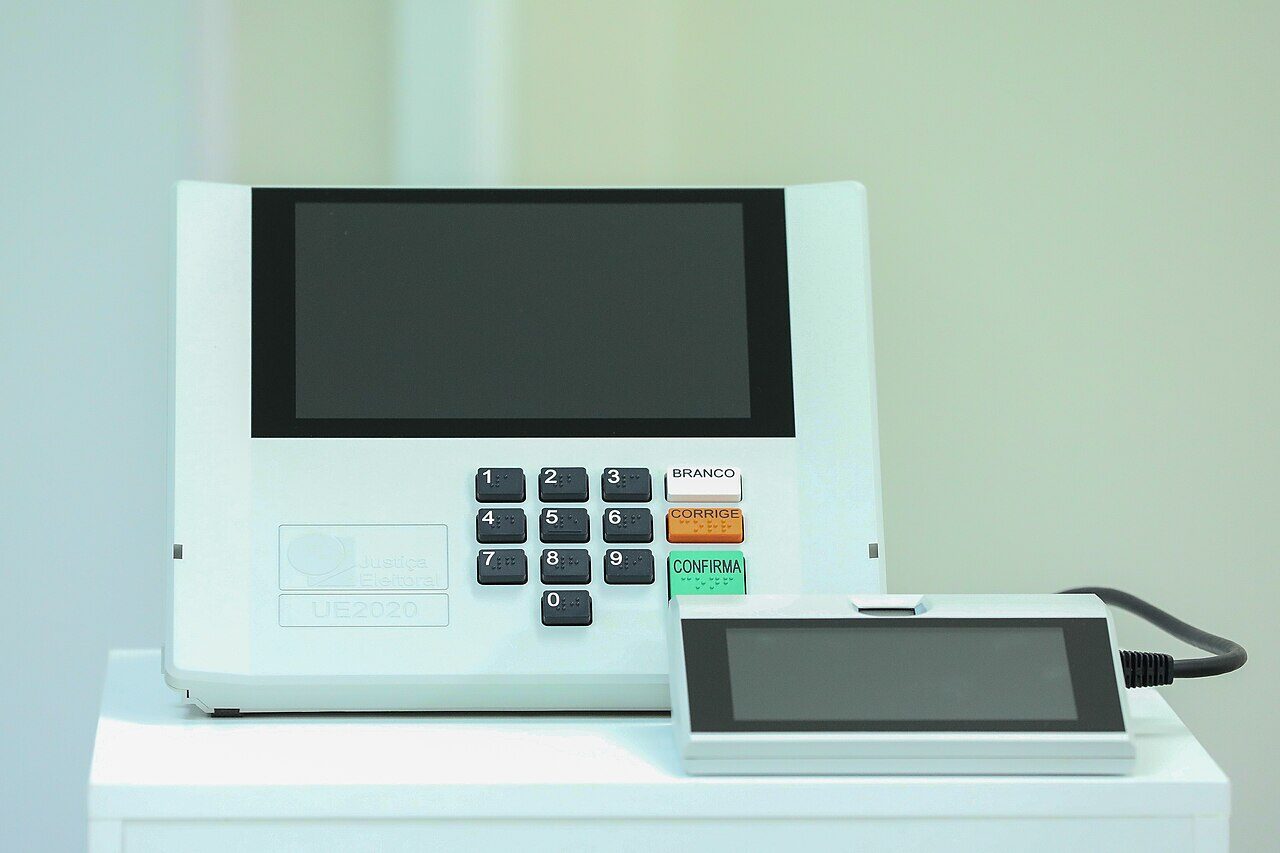
Both of Brazil's runoff candidates promise to process rare earths for the data center age. Neither program puts a number on it.
Lula and Flávio Bolsonaro go into the 25 October runoff with registered programs that tie critical minerals processing to AI and data centers. One leans on the state, the other on Washington and private capital. The winner inherits two laws already on the books and a separation gap neither plan prices.
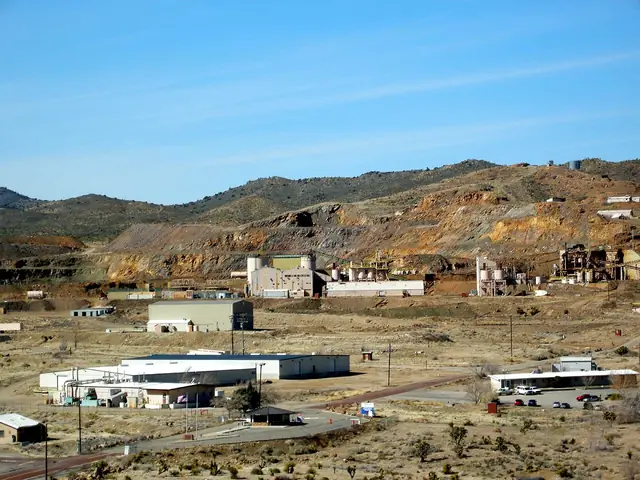
Brasília says Lynas will build one of the biggest rare earth separation plants outside China. Caldeira's US$498 million budget does not include it.
Mines and Energy Minister Alexandre Silveira told MINING.COM that Lynas has presented plans for an oxide separation plant in the Poços de Caldas region, and BNDES is weighing finance. Lynas's own filings still call Brazilian processing a possibility. The gap between those two positions is what Brazil's new minerals council will have to price.
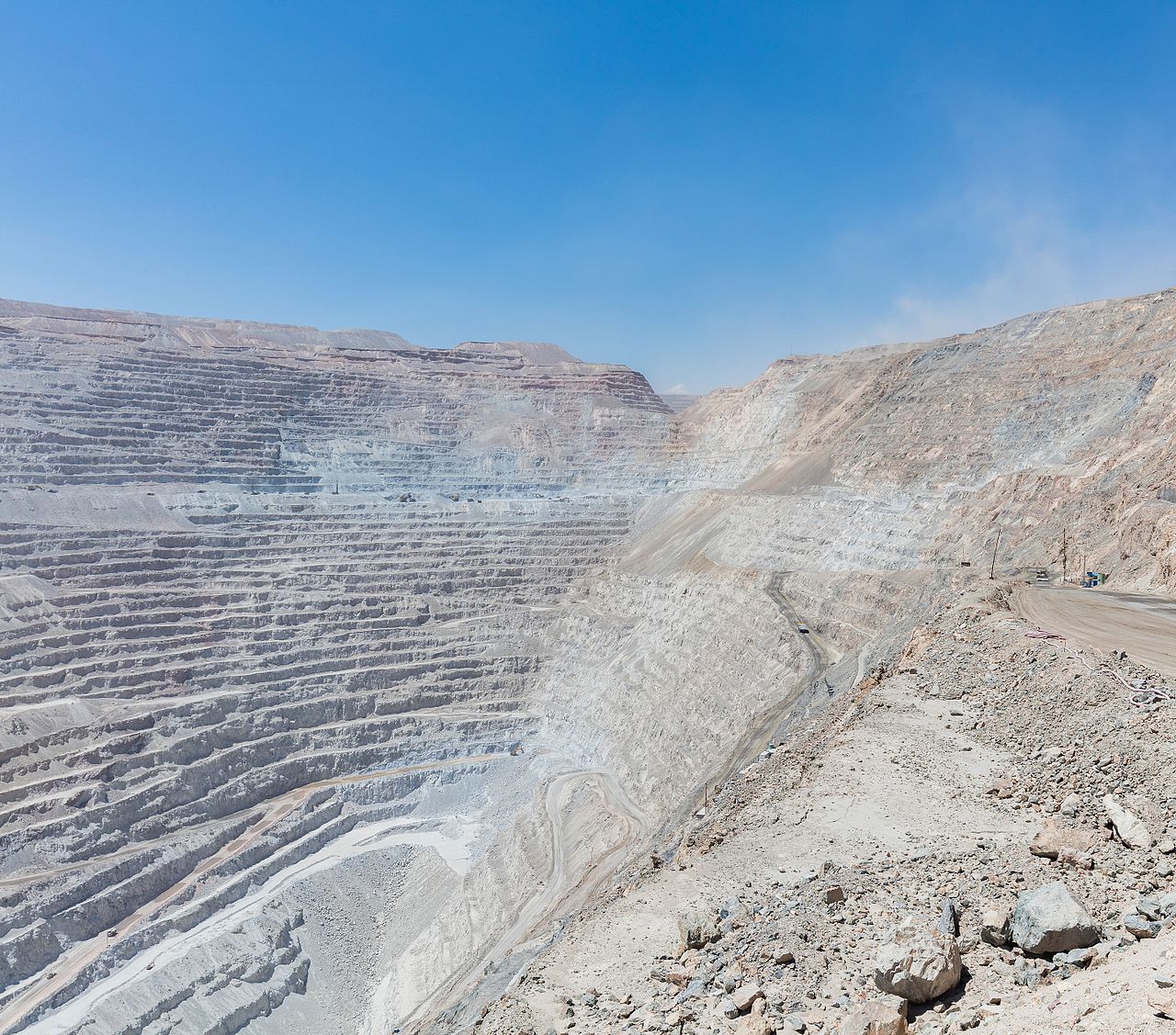
Chile mined its smallest copper month in Cochilco's series in August. Codelco now has a second audit on the numbers it is compared against.
Chilean mine output fell 12.7 percent to 366,300 tonnes in August, while Codelco's output rose 8.9 percent. On 6 October Codelco said the same material may have been booked twice by its Ministro Hales and Salvador divisions in 2024 and 2025. Two strikes are now live or pending at Centinela and Escondida.
One desk. Three products.
Proprietary indexes
TAI, SOV50 and SDX track AI inputs, supply concentration, and the Global South’s alternative supply base.
See the indexesWeekly research
Coverage of the supply, policy, and capital flows that move AI’s physical layer, verified before it ships.
Read the researchAdvisory
Bespoke work for builders, investors, and policymakers operating in the space.
Talk to the deskCoverage
The domains the desk follows.
The weekly, by email.
Index moves, the week’s research, what to watch. Monday morning. Free, one click to unsubscribe.