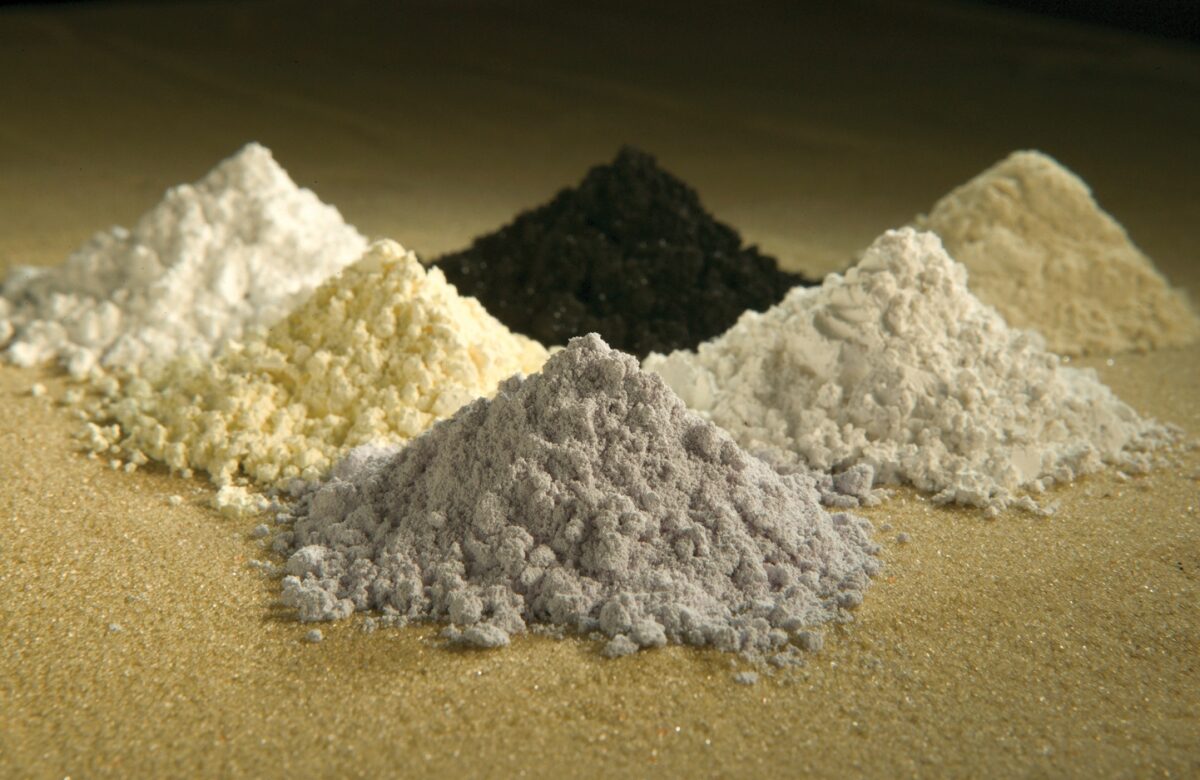
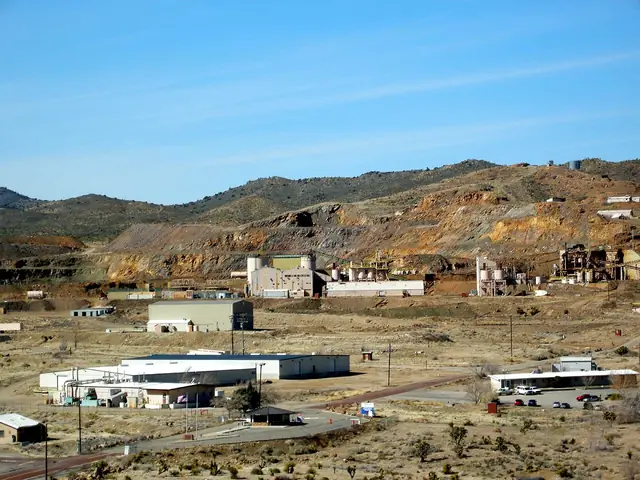
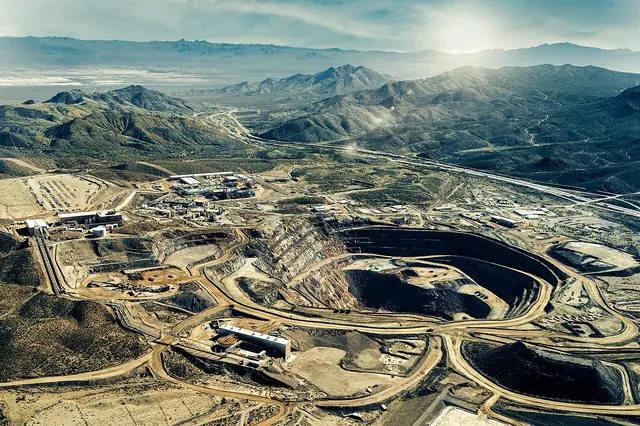
Rare earth exports enter Beijing's whistleblower era
MOFCOM Announcement No. 26 opened a public reporting window for strategic mineral export violations on July 1. Paired with a June germanium prosecution and Japanese detentions, dual-use exports are now criminal-liability terrain.

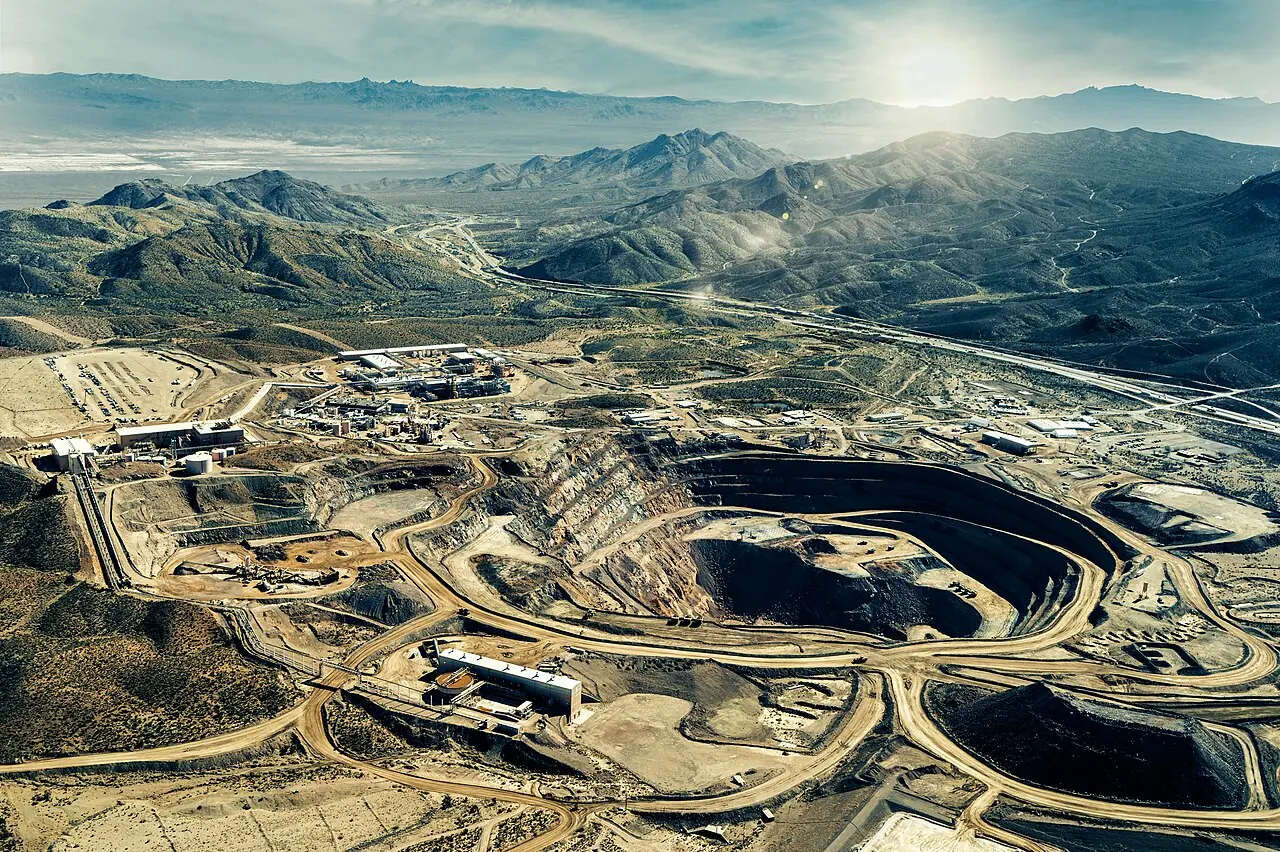
On July 1, China’s Ministry of Commerce switched on a public reporting mechanism for suspected violations of dual-use strategic mineral export controls. MOFCOM Announcement No. 26 of 2026, published June 24, formalizes what had been ad hoc: any organization or individual can now file a report through an online platform or hotline, verified tips can qualify for rewards, and self-disclosure by exporters counts as a mitigating factor in penalty decisions [Global Times, June 24, 2026].
The mechanism arrived on top of two enforcement signals from earlier in June that shift the compliance conversation from administrative fines to personal criminal liability.
What’s happening
- MOFCOM published Announcement No. 26 on June 24, 2026, effective July 1. Reportable conduct is broad: unlicensed exports, license overreach, disguising controlled items via modification or disassembly, third-country routing, unauthorized technology transfers, providing logistics or financial services to unlawful exports, and accepting foreign-government access or verification requests without authorization [Morgan Lewis LawFlash, July 1, 2026].
- On June 18, 2026, a major Chinese precision optics company with market capitalization of roughly RMB 11.7 billion disclosed that its chairman had been placed under compulsory measures by the Shanghai Customs anti-smuggling bureau. The alleged violation: falsely declaring the material composition of exported lenses containing germanium as ordinary optical glass. Customs reviewed approximately three years of export records [Morgan Lewis, July 1, 2026].
- The Japanese government confirmed in late June that two Japanese nationals employed by a major Japanese company were detained in Dalian in May 2026 on smuggling allegations reportedly involving rare-earth-related items. Foreign Ministry spokesperson Guo Jiakun confirmed the detentions at a June 24 briefing [Global Times, June 24, 2026].
- Germanium was originally controlled under MOFCOM/Customs Announcement No. 23 of 2023 and folded into the unified Dual-Use Items Export Control List under MOFCOM Announcement No. 51 of 2024, effective December 1, 2024 [Morgan Lewis, July 1, 2026]. Germanium metal traded at roughly $8,597.50 per kilogram on July 3, 2026, up sharply since 2025 [Strategic Metals Invest].
Three enforcement actions in three weeks, spanning the criminal, administrative, and civic reporting layers. That is a policy design, not a coincidence.
Brazil angle
Serra Verde’s ownership question just got harder. USA Rare Earth announced a definitive agreement in April 2026 to acquire the Goiás producer for about $2.8 billion, with a 15-year offtake covering 100% of Serra Verde’s Phase 1 neodymium, praseodymium, dysprosium and terbium output, backed by a special-purpose vehicle capitalized by US government entities and private capital. Serra Verde’s Phase I plan targets 6,400 tonnes of total rare earth oxide by the end of 2027. Deal close is expected in the third quarter of 2026 [Serra Verde release; USA Rare Earth investor communications, April 2026].
USA Rare Earth is one of the ten US entities Beijing added to its export control list on June 22, along with MP Materials [Al Jazeera, June 22, 2026]. The Serra Verde asset itself is Brazilian and outside China’s direct reach, but any component, reagent, service, or engineering input that touches Chinese-origin dual-use items and flows to a blacklisted entity is now within the new reporting regime’s scope. That includes the Brazilian counterparty side: Serra Verde staff, contractors, and Brazilian vendors dealing with Chinese suppliers now have to think about a public reporting channel that did not exist last week.
US angle
The MP Materials plus USA Rare Earth listing means both of the flagship Western rare-earth builders are subject to the extraterritorial reach that MOFCOM asserts over anyone transferring or providing China-origin dual-use items to them, wherever located. That reach is theoretical until enforced; the new whistleblower channel is the enforcement infrastructure. The Section 1260H list on the US side already prohibits Department of Defense procurement from designated entities, with a June 30, 2027 expansion to goods and services produced by such entities [Morgan Lewis, July 1, 2026]. Both sides are building parallel screening architectures; the compliance overhead lands on multinationals sitting in between.
China angle
The Announcement No. 26 mechanism deputizes the private sector into export-control enforcement. Anonymous tips are accepted; named tips can be rewarded. Voluntary self-reporting by exporters is a mitigating factor. A Chinese executive at a listed optics firm has already been placed under compulsory measures over germanium misclassification. Two foreign nationals have been detained on smuggling allegations reportedly involving rare-earth items. The message to Chinese suppliers is direct: personal liability sits on your desk, and your employees, competitors, and service providers can call it in.
Practical consequence: Chinese exporters are already asking foreign buyers for significantly more detailed end-use and end-user documentation than at any point in the previous four years of tightening [Morgan Lewis, July 1, 2026]. The demand-side friction on rare-earth, germanium, and gallium flows from China rises without a headline export ban.
What it means
This is the escalation shape we flagged after the June 22 entity listings. The listings named companies; Announcement No. 26 supplies the enforcement stack that makes the listings bite outside China’s borders. For the AI materials thesis, this compresses the timeline on ex-China midstream: separation, alloy production, and magnet manufacturing outside the PRC gets more valuable per unit of output because the compliance risk of moving through Chinese intermediaries is higher. Serra Verde’s closing timeline (Q3 2026), MP Materials’ Fort Worth magnet ramp, and Centrus Energy’s July 3 announcement finalizing its $900 million commercial HALEU enrichment contract with the DOE at Piketon all read as pieces of the same buildout [SMR-NucNet, July 3, 2026], running against a Beijing clock that just added public informants to its enforcement staff.
What to watch
- Q3 2026: Serra Verde acquisition close. Watch for regulatory carve-outs or Chinese-origin equipment substitutions in the closing disclosures.
- The first named-source reward payout under Announcement No. 26. When and against whom sets the precedent.
- Additional identifications of the June 18 precision optics firm and any parallel prosecutions targeting gallium or antimony exporters. Germanium was the wedge; watch whether the enforcement widens to the rest of the dual-use list.