Lithium's record Q1 is not showing up in the equity tape
SQM lifted lithium guidance after Q1 net income rose 165 percent. Sigma Lithium posted record margins two weeks earlier. The Southern Diversification basket is still down 3.9 percent YTD.

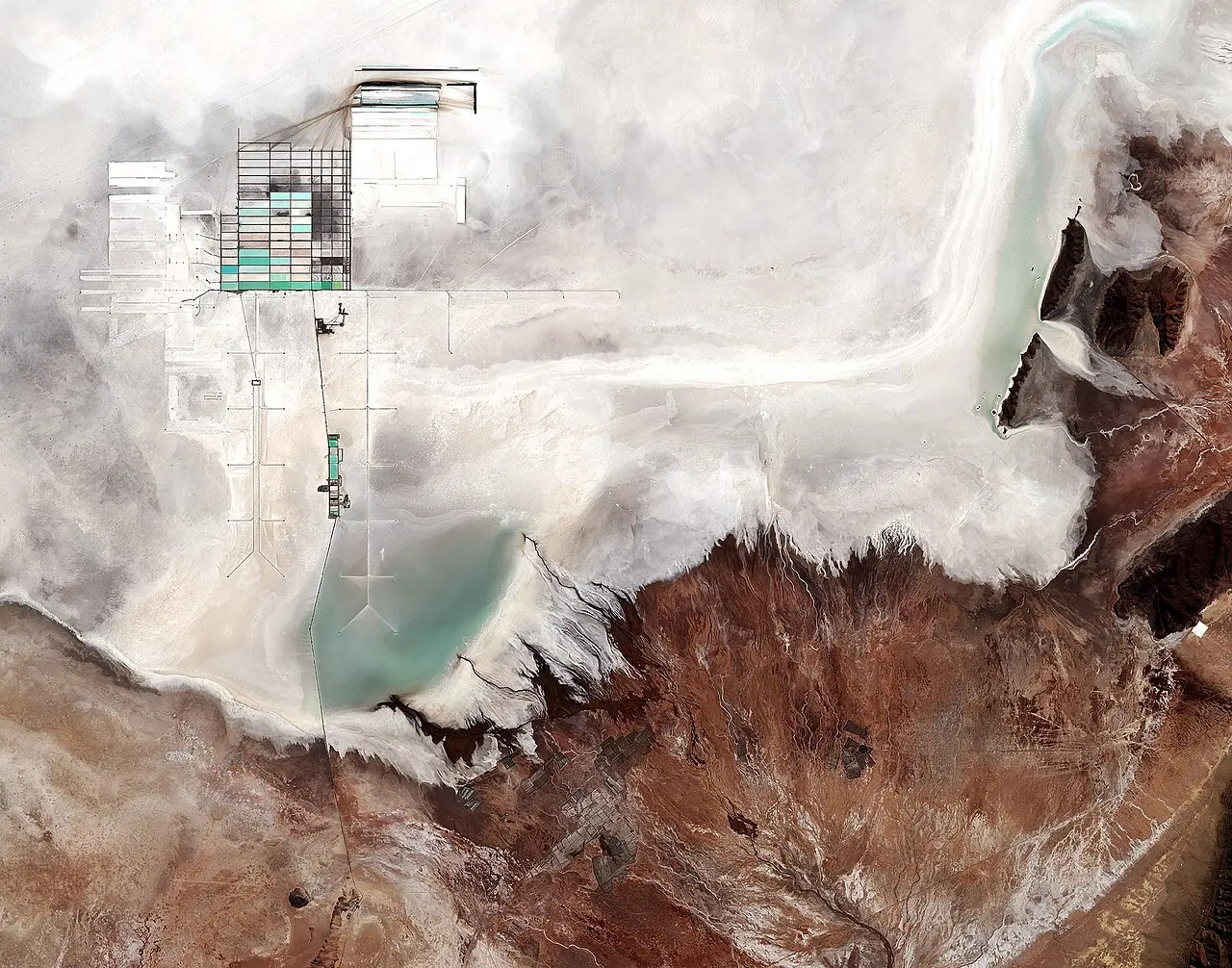
The two largest publicly listed lithium producers in the Western Hemisphere just posted their strongest Q1 in years, two weeks apart. SQM, the Chilean producer now operating its Salar de Atacama lithium business through the Nova Andino Litio partnership with Codelco, reported on May 26 that Q1 2026 net income rose 165 percent year on year to $364.7 million and raised its 2026 lithium sales volume guidance from 10 percent growth to 15 percent. On May 15, Brazil’s Sigma Lithium booked a 61 percent gross margin and 39 percent EBITDA margin on $42 million in Q1 revenue, the highest profitability in the company’s history.
The Western equity tape is not pricing it in. Tantalum’s Southern Diversification Index, which tracks the producers absorbing Western capital seeking to diversify away from the China-DRC nexus, sits at 96.1 as of May 22, down 3.9 percent year to date even as the underlying companies print operational records.
What’s happening
- SQM Q1 2026: revenues $1,760.1 million, up 69.8 percent year on year. Lithium and derivatives revenue alone reached $1,185.5 million, up 136 percent year on year, on volumes of 69 thousand tonnes LCE. Adjusted EBITDA of $837.0 million for the quarter, margin 47.6 percent. (SQM 6-K, SEC EDGAR, filed May 26, 2026)
- Nova Andino Litio average realized lithium sales price: approximately $17.8 per kilogram in Q1, nearly 95 percent higher year on year. (SQM 6-K, May 26, 2026)
- Sigma Lithium Q1 2026: revenue $42 million from 23,000 tonnes of concentrate, realized price $1,790 per tonne SC5 ($2,150 SC6), total debt down to $134 million (a 21 percent reduction year on year), cash position $28 million as of May 15. (Sigma Lithium press release via Newsfile Corp., May 15, 2026)
- Nova Andino Litio generated over $530 million in contributions to the Chilean state in Q1 alone, including payments to CORFO, local governments, and taxes. (SQM 6-K, May 26, 2026)
- SQM CEO Ricardo Ramos: global lithium demand could exceed 1.9 million tonnes LCE in 2026, with market dynamics suggesting a tight supply-demand balance. Q2 realized prices expected to be higher than Q1. (SQM 6-K, May 26, 2026)
Brazil angle
Sigma’s Grota do Cirilo operation in the Vale do Jequitinhonha is, per USGS, the fifth-largest industrial-mineral complex for lithium oxide concentrate globally. The company is on track for 240,000 tonnes per year of annualized high-grade concentrate, with Phase 2 designed to take nameplate capacity to 520,000 tonnes and Phase 3 to 770,000 tonnes by year end 2027. Phase 2 construction is backed by a $100 million collateralized bank guarantee Sigma signed with a major Brazilian bank in April 2026. (Sigma Lithium press release, May 15, 2026)
Sigma’s record margins, alongside its 33 percent two-year debt reduction, are a meaningful data point for the Brazilian lithium policy debate. The company’s Greentech industrial plant in Minas Gerais uses 100 percent water reuse, zero toxic chemicals, zero tailings, and 100 percent renewable electricity, per Sigma’s own disclosure. A Brazilian-asset producer generating cash, paying down hard-currency debt, and reinvesting in Phase 2 and 3 capacity onshore is the profile the country has been trying to attract. (Sigma Lithium release, May 15, 2026)
US angle
Both SQM (NYSE: SQM) and Sigma (NASDAQ: SGML, TSXV: SGML, BVMF: S2GM34) are listed in the United States, which is where the equity disconnect lives. SGML’s market capitalization sits around $2.1 billion despite the record Q1 print (stocktitan.net SGML overview, accessed May 28, 2026). The structural demand picture remains supportive: hyperscaler data center buildout continues to pull battery-storage demand forward, with the FAST-41 federal permitting program now extended to cover AI data center infrastructure and critical minerals supply.
The supply response, as both SQM and Sigma just demonstrated, is real. The equity market is not extrapolating from it yet.
China angle
Mainstream institutional supply forecasts have shifted with the supply story. Morgan Stanley earlier in 2026 lowered its global lithium supply forecast for the year to approximately 400,000 tonnes, down from an initial estimate of roughly 500,000 tonnes, and projected that the market could shift from slight surplus to tight balance or structural deficit by the second half of 2026. Macquarie has projected lithium demand could maintain a compound annual growth rate above 20 percent through the end of the decade, driven primarily by stationary energy storage. (TradingKey institutional summary, April 14, 2026)
That framework sits in tension with day-to-day Chinese inventory dynamics. Chinese lithium carbonate futures, after rebounding from a mid-year 2025 low near ¥59,000 per tonne to ¥150,000 per tonne earlier in 2026, have traded in a more volatile range as warehouses work through stockpiled inventory. (TradingKey, April 14, 2026) Both can be true at the same time: structural tightness in the contract market that majors like SQM sell into, residual softness in the Chinese physical tape while inventories clear. It is exactly the kind of split read that keeps Western equity allocators on the sidelines.
Separately, SQM noted in its Q1 release that China halted potassium nitrate exports at the end of March, creating supply gaps in international fertilizer markets, dynamics SQM attributed in part to broader geopolitical tensions and Middle East conflict disruptions. (SQM 6-K, May 26, 2026) That is an agricultural-input story we will return to.
What it means
The Q1 2026 prints validate the SDX thesis on the operational layer. The equity tape is pricing something else: lingering concerns about Chinese inventory overhang, uncertainty about how much of Sigma’s Phase 2 capex gets pulled forward, and the broader Brazil-asset discount that has compressed valuations regardless of company-level fundamentals. The gap creates a window for capital allocators who can underwrite the operational case. It also weighs on the TAI Materials sub-index (TAI-M), where equity-proxy components like LIT drag the signal down even as the underlying material’s contract market tightens.
What to watch
- SQM Q2 2026 results, typically reported in August. If Q2 realized lithium prices clear above $17.8 per kilogram as the CEO guided, the floor thesis hardens.
- Salar Futuro environmental permit submission. SQM said in the Q1 release that submission is expected in “the coming months.” This is Nova Andino’s next production step.
- Sigma Lithium Phase 2 construction milestones through Q3 2026, particularly deployment of the $100 million Brazilian bank guarantee toward Plant 2. A capex slip pushes the 520,000 tonne target out of 2027.
- Chinese lithium carbonate spot through June 2026. If the inventory unwind completes and Chinese spot turns, the spread between SQM’s realized contract prices and the spot tape collapses, not widens.
- Morgan Stanley’s projected deficit window opening in September 2026. If it materializes on schedule, the equity disconnect we are flagging here closes the hard way.