The samarium gap in the US rare earth strategy
MP Materials' 10X plan solves neodymium. Samarium, the mineral behind US missile magnets, isn't in it. Brazilian monazite is one of the few off-China alternatives.

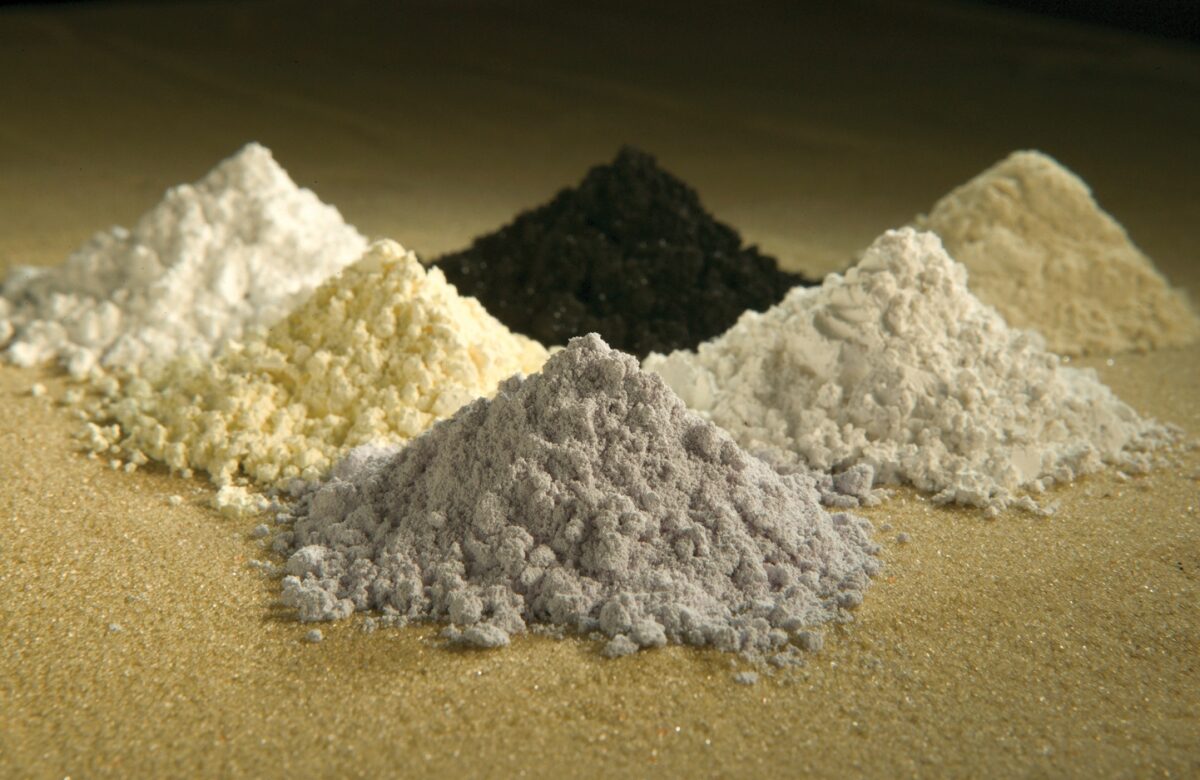
Samarium is the rare earth the US defense industrial base runs on, and the one MP Materials’ Pentagon-backed magnet campus in Northlake, Texas does not process. National Defense Magazine reported on July 1, 2026 that the samarium stockpile keeping US high-temperature magnet manufacturing alive is a two-to-three-year cache pulled from a decades-old Solvay warehouse in La Rochelle, France. When it runs out, there is no domestic replacement.
What’s happening
Permag, the only US manufacturer of samarium-cobalt (SmCo) magnets, secured a multi-year samarium supply from Solvay’s La Rochelle facility and UK-based Less Common Metals in November 2025. The material is samarium nitrate that Solvay held at the site for decades. Permag framed it as three-to-five-year coverage; the July 2026 National Defense Magazine update trimmed the working number to two-to-three after a year of drawdown.
SmCo magnets are the high-temperature workhorse of US defense. Unlike neodymium-iron-boron (NdFeB), SmCo tolerates the thermal envelopes where missile guidance systems, radar arrays, satellites, and fighter aircraft actuators operate. The US can substitute NdFeB for many industrial magnets, but not for these applications.
China’s Ministry of Commerce Announcement No. 61 of 2025, published October 9, 2025, applied the foreign direct product rule to rare earth magnets for the first time. Any foreign-made magnet containing 0.1 percent or more Chinese-origin heavy rare earths, or produced using Chinese processing technology, now requires a Chinese export license. Starting December 1, 2025, applications from firms affiliated with foreign militaries, including US, are largely denied [CSIS, October 9, 2025]. China holds roughly 70 percent of rare earth mining, 90 percent of separation and processing, and 93 percent of magnet manufacturing.
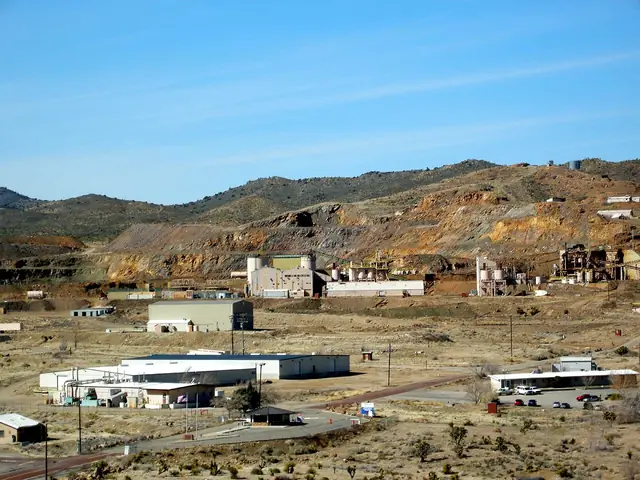
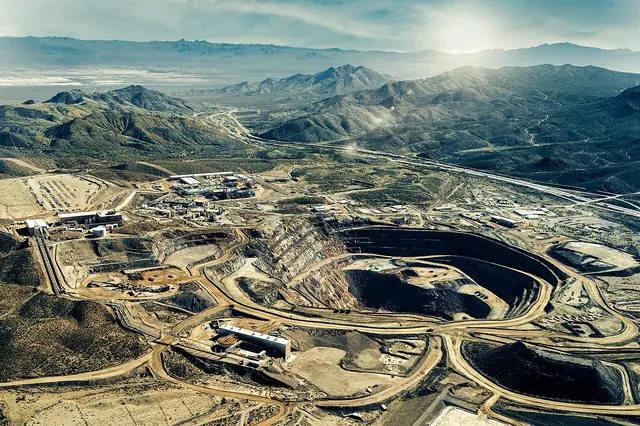
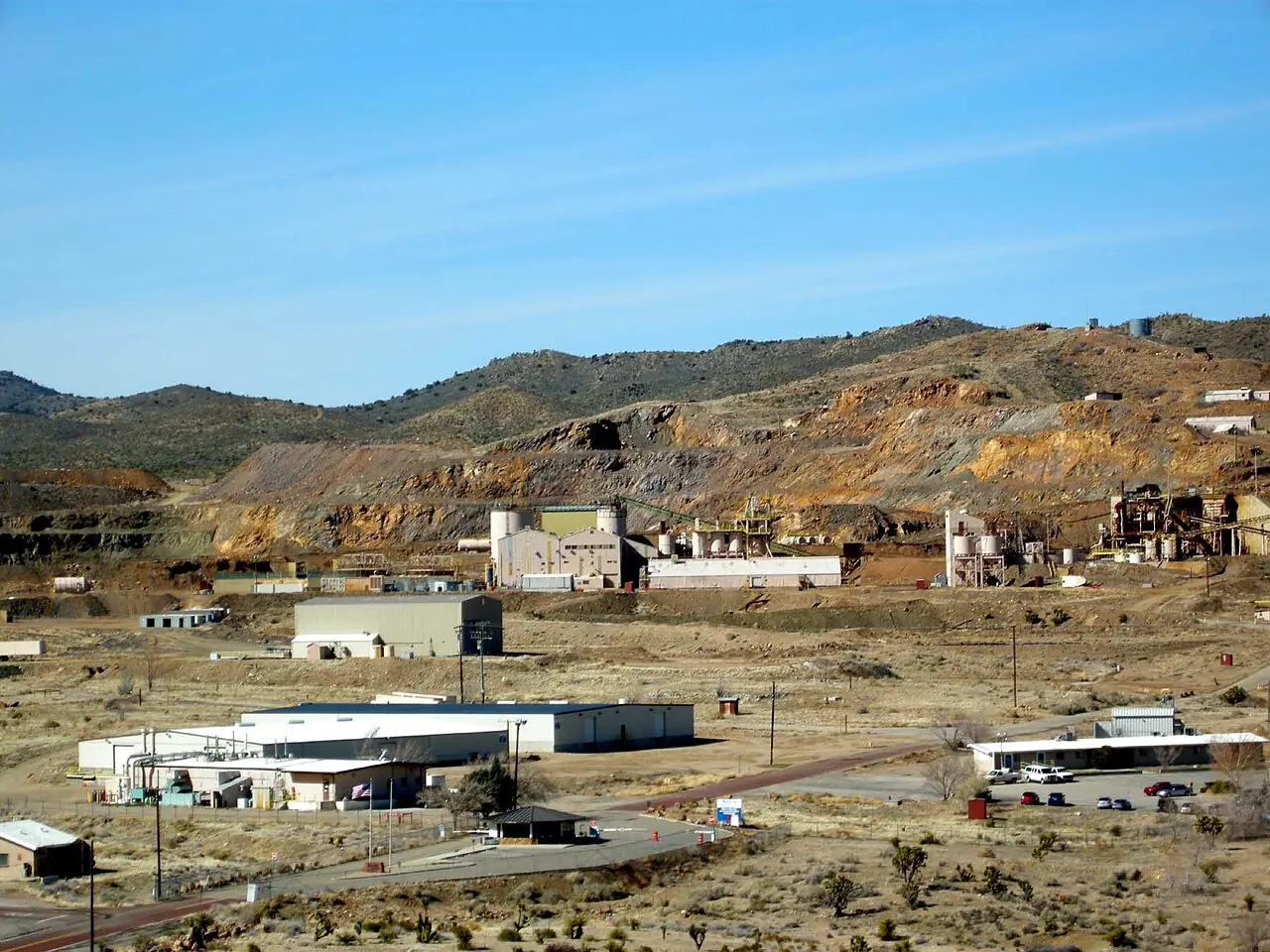
MP Materials’ 10X campus in Northlake, Texas, announced February 26, 2026, is a $1.25 billion NdFeB manufacturing plant with a 10-year Department of War offtake commitment and a total company capacity target of roughly 10,000 metric tons of NdFeB magnets per year at commissioning in 2028. Samarium-cobalt production is not in scope. MP’s Mountain Pass ore contains samarium, but MP does not separate it.
Brazil angle
The alternative off-China samarium supply chain runs partly through Brazilian monazite. ADL Mineração, a private São Paulo-based company operating a Buena unit in Rio de Janeiro state, exported Brazil’s first private-sector monazite concentrate in decades this year, targeting 500 to 1,000 tons by end of 2026 and 3,000 tons within two years [Rare Earth Exchanges, May 8, 2026]. The first container went to Canada. ADL maintains a partnership with Indústrias Nucleares do Brasil (INB), whose Buena plant operated Brazil’s historic monazite processing facility. Monazite carries radioactive thorium and requires licensed handling.
Monazite is one of the few natural minerals where samarium, europium, and gadolinium are concentrated together. This is a different rare earth story from Serra Verde, the ionic-clay operation in Goiás that USA Rare Earth agreed to acquire in April 2026 for approximately $2.8 billion. Serra Verde produces neodymium, praseodymium, dysprosium, and terbium. Samarium is not among them. The Brazilian samarium play sits in monazite, not ionic clay.
ADL is early-stage. Exporting monazite concentrate is not the same as separating pure samarium oxides. Brazil had that industrial capability decades ago through INB, then let it decline. Rebuilding takes years and money.
US angle
The MP Materials build is real and necessary, but partial. DoW policy has focused on NdFeB because NdFeB is the mass magnet, used in EV motors, wind turbines, hard drive servos, industrial robotics, and AI data center infrastructure. The July 2025 partnership, a $400 million convertible preferred stake plus a $150 million Office of Strategic Capital loan and a 10-year $110 per kilogram price floor on NdPr, is scoped accordingly [CSIS, October 9, 2025]. Samarium got sorted into the “handle later” tray. The stopgap is Permag drawing down the Solvay cache. It monetizes an existing stockpile, not new production.
DFARS revisions taking effect in 2027 require magnets in national security applications to be traceable “from mine to magnet” as China-free. That rule presumes a domestic supply exists to trace. For samarium, no such supply exists at scale.
China angle
Beijing has moved past broad-brush restrictions to line-item, discretionary licensing. Under Announcement No. 61, foreign nationals working on Chinese rare earth separation abroad are barred without explicit authorization, and the FDPR framework asserts Chinese jurisdiction wherever Chinese material or process IP touches a magnet’s supply chain. Given China’s 90 percent share of global separation and much of the process IP, that reach is wide.
On April 29, 2026, China’s Ministry of Industry and Information Technology published a draft enforcement framework: fines of up to five times illegal gains for quota breaches under 10 percent, business license revocation for breaches over 30 percent, and monthly production reporting to local authorities [Mining.com]. Bloomberg Economics estimated about $1.4 trillion of US economic activity is linked to industries that use these minerals. The direction of travel in Beijing is tighter, not looser.
What it means
The dominant US critical minerals story treats the MP Materials + DoW partnership as the diversification answer. For NdFeB and the AI-buildout applications that ride on it, that is roughly correct. For samarium-cobalt and the missile, satellite, and radar applications, it is not. SmCo is a smaller market than NdFeB, roughly one-tenth by volume, but concentrated in the most defense-sensitive uses. Fixing samarium requires either a US separation plant (Permag’s LCM tie-up is metallization, not separation), a monazite processing restart, or continued reliance on Solvay’s shrinking stock.
For the desk’s structural read, the samarium gap sits on SOV50: high concentration, no diversification alternative at scale, export-control risk already priced. On SDX, ADL Mineração and any INB-linked processing restart would be a genuine constituent addition if the export target holds.
What to watch
- MP Materials’ 2027 capital allocation update: does the 10X roadmap add SmCo lines, or does the DoW fund a separate samarium program with a distinct offtaker?
- Chinese samarium export license approvals in Q3 2026, particularly for non-military end-users after the November 10, 2026 review point on the broader heavy rare earth suspension.
- ADL Mineração’s next monazite shipment and any confirmation of a downstream processing agreement with INB, Energy Fuels (White Mesa in Utah), or a Western midstream operator such as Neo Performance Materials.