Chile pulled Collahuasi's desalination permit. Copper is at $14,000.
A May 15 tribunal ruling set aside the environmental clearance for the water plant Anglo and Glencore are counting on. Production was already running below plan, and AI demand only points one direction.

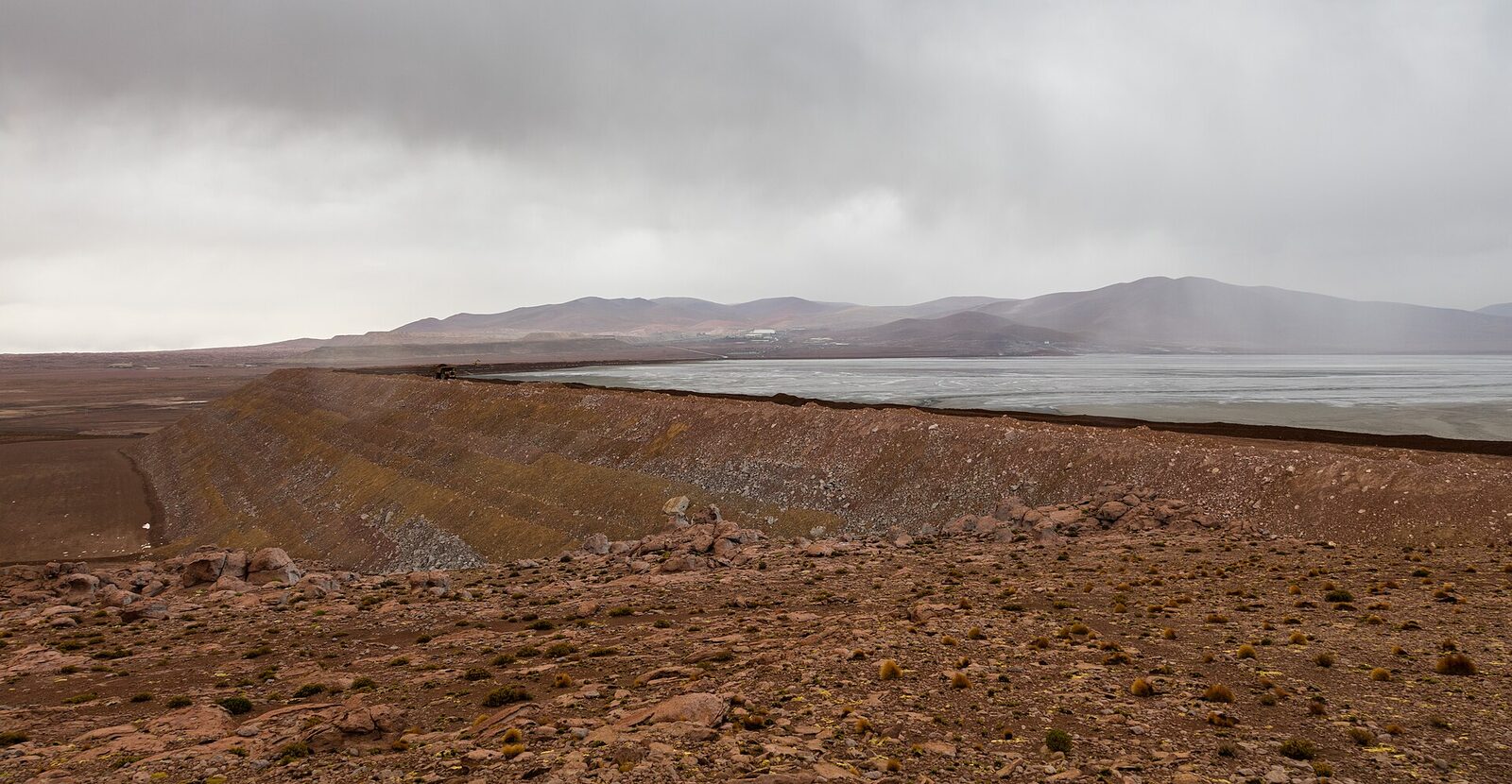
Chile’s Second Environmental Tribunal stripped the environmental authorisation from Collahuasi’s water and infrastructure project on May 15, vacating the clearance that the Environmental Assessment Service (SEA) had issued for the mine’s planned desalination plant [Mining Weekly, 2026-05-18; BusinessDay, 2026-05-18]. The ruling lands at the precise moment AI infrastructure demand has dragged the copper market to record territory.
Three days earlier, LME three-month copper traded at $14,153 per tonne, a fresh all-time high [LME data via Carbon Credits, 2026-05-13]. The plant Chile just sent back through review is the same plant Anglo American said would carry “a large portion” of Collahuasi’s water requirements once it came fully on-line [Mining Weekly, 2026-05-18]. The desalination facility is already built and first water reached the mine in May 2025; the ruling remands the environmental clearance for future expansion, not current operations. Without the clearance, the Atacama water problem stays open for the mine’s planned 2027 output ramp.
What’s happening
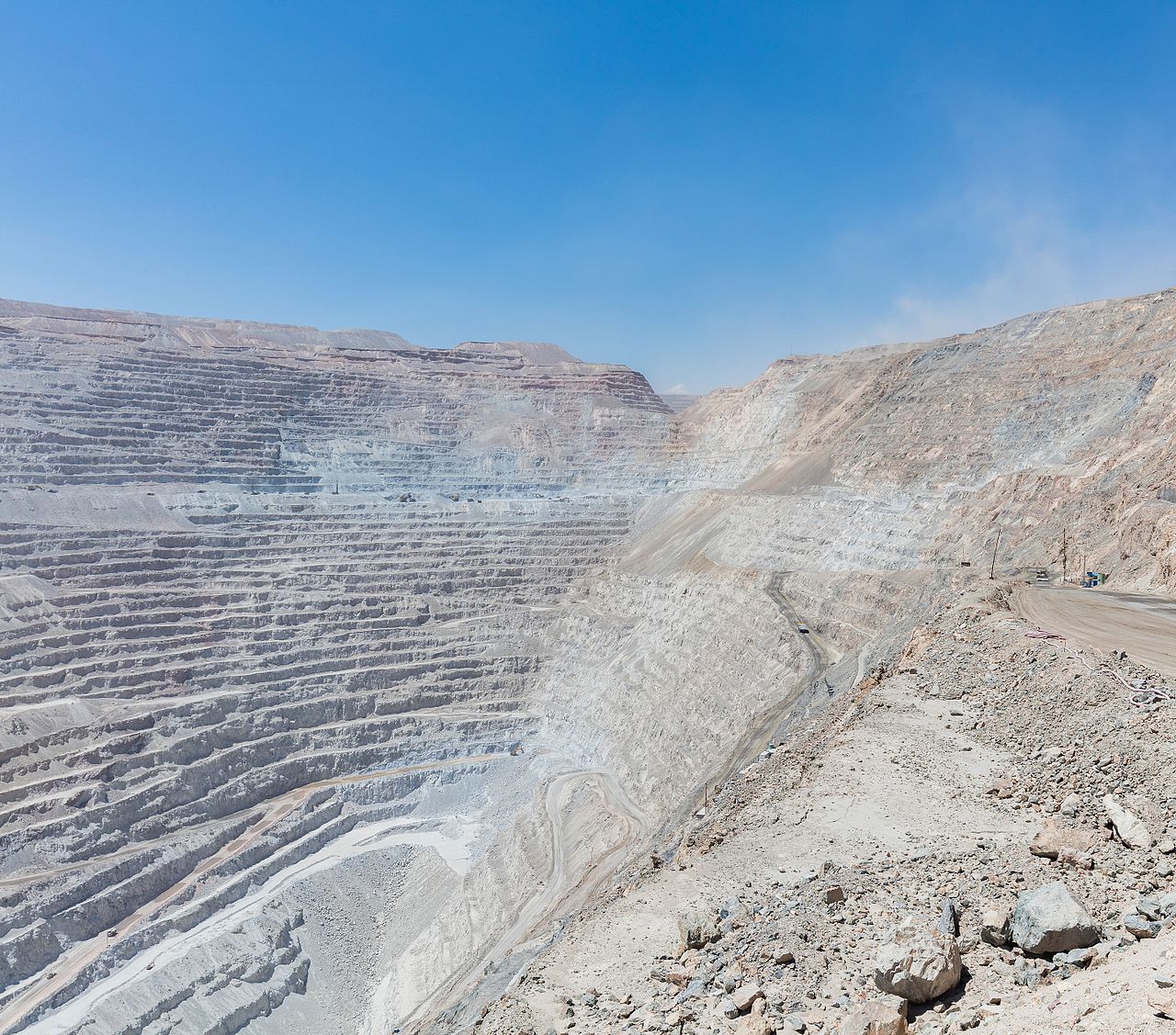
The Collahuasi joint venture, in which Anglo American and Glencore each hold 44 percent stakes alongside a Japanese consortium, has been losing ground for two years on ore grades and water availability [Mining.com, 2026]. Glencore cut its 2026 group copper guidance to roughly 840,000 tonnes, a 9.6 percent reduction from the 930,000-tonne target it set in 2024, citing Collahuasi specifically [Mining.com; Fastmarkets, 2026]. Anglo’s chief operating officer told investors the mine should return to about 600,000 tonnes of annual output in 2027 once a new desalination plant comes fully on-line [Mining.com, 2026].
That timeline now depends on a tribunal proceeding the companies are still seeking to clarify [Mining Weekly, 2026-05-18]. The desalination plant is engineered to deliver 1,050 litres per second through a 194-kilometre pipeline from Puerto Collahuasi to the operation [Mining Weekly, 2026-05-18]. There is no equivalent water solution sitting behind it.
The market reads the squeeze. Spot copper concentrate treatment charges in Asia Pacific are running near minus $65 per tonne CIF, meaning smelters are paying miners for concentrate rather than the other way around [Fastmarkets, 2026]. JPMorgan estimates AI-related data centres add roughly 110,000 tonnes of incremental copper demand in 2026 [JPMorgan via Investing.com, 2026]. Peru is a separate pressure point: Decreto de Urgencia 003-2026 on May 11 prioritises households over industrial users in any rationing, putting Peruvian copper output on regulator discretion [SMM, 2026-05-11].
What it means
The Tantalum AI Materials Index reads 102.4 as of last Friday with the materials sub-index (TAI-M) at 101.8 [tantalum.info/indexes, week ending 2026-05-22]. The Collahuasi ruling does not yet show in that print, and the desk does not move readings on a single-event basis. But the copper input to TAI-M is the one with the cleanest exposure to data-centre wiring demand, and the Sovereignty 50 reading of 118.9 already shows the market pricing concentration premium. The Southern Diversification Index sits at 96.1, down 3.9 percent year-to-date, which is the equity market’s verdict that the alternative producer base has not yet absorbed enough of this story. That gap is the SDX thesis. It is also the test of it.
Brazil angle
Vale produced 382,000 tonnes of copper in 2025, the highest annual output since 2018, and has set a target of roughly 700,000 tonnes by 2035 with a longer-run ambition of 1 million tonnes [Mining.com, 2026; BNamericas, 2026]. The company received preliminary environmental licence for its Bacaba project in Pará in early 2026, committing roughly $290 million in capital for at least 50,000 tonnes per year of copper concentrate from 2028, with sources splitting on whether the start date is the first or second half of the year [Mining.com, 2026; Metalnomist, 2026]. Brazil does not have Chile’s grade endowment in copper, but it has water, hydropower-heavy grid intensity, and a permitting story that, while imperfect, is at least no slower than what Chile is now demonstrating in tribunal. The question is whether BNDES and the state miners read this Collahuasi ruling as an opening or as a generic Latin America risk story.
US angle
The US copper deficit is not a 2030 problem; it is the bill arriving with every gigawatt of hyperscaler capacity. Southern Copper has approved a $319 million overhaul at its Cuajone operation in Peru [Mining.com, 2026], but Peru’s emergency decree is a reminder that Lima production sits behind the same Andean energy and water constraints Chile just exposed. Domestically, the IRA’s 45X production credits and the Defense Production Act Title III tools support refining capacity but do not conjure new ore. The strategic question for Washington is whether copper joins the antimony, tungsten, and gallium tier in active stockpiling, or remains treated as a free-market input that the LME will sort out. As of this morning, copper is not on the EU’s first joint mineral reserve shortlist [Reuters via Mining.com, 2026-05-20], and there is no announced US analogue.
China and the African Copperbelt angle
China refines a clear majority of the world’s copper concentrate, so the negative TC environment is also Chinese smelter margin compression. The structural answer Beijing has been building runs through the African Copperbelt. CMOC’s positions at Tenke Fungurume and Kisanfu in the DRC, alongside Glencore’s Mutanda and Kamoto on the same belt, give the copper map a second axis that does not depend on Chilean tribunals. Zambia’s Konkola and First Quantum’s Kansanshi sit on the same play. The MIIT has not announced copper-specific export restrictions, but the 2024 to 2025 dual-use control pattern on gallium, germanium, graphite, tungsten, antimony, and rare-earth tech transfer is the relevant precedent. A smelter sector squeezed by negative TCs is also one with policy logic to consolidate downstream control further, including over African concentrate flows.
What to watch
- The Second Environmental Tribunal’s clarification process on Collahuasi. Anglo and Glencore have sought clarification on the May 15 ruling [Mining Weekly, 2026-05-18]. A defined remediation path inside 60 days keeps 2027 on schedule; a re-review keeps it open.
- December 2026, when Codelco and Anglo American are scheduled to submit “mirror” environmental applications for the Andina-Los Bronces shared pit project, an initiative pitched to add 120,000 tonnes per year from 2030 to 2051 [Mining Weekly, 2026-03-30; Energy News, 2026-04-16].
- Vale’s Bacaba ramp on its 2028 schedule, and whether the company brings forward any of the additional Pará copper projects flagged for the post-2030 horizon [Mining.com, 2026].