Cobalt at $56,000. The DRC isn't mining cobalt anymore. It's mining AI copper.
Glencore's Q1 numbers: African copper cathode running 68 percent ahead, cobalt down 39 percent. CMOC just put $1.08 billion into a copper expansion, not a cobalt one. The cobalt overhang under the DRC's 96,600-tonne quota is now a coproduct of the AI buildout's copper pull.

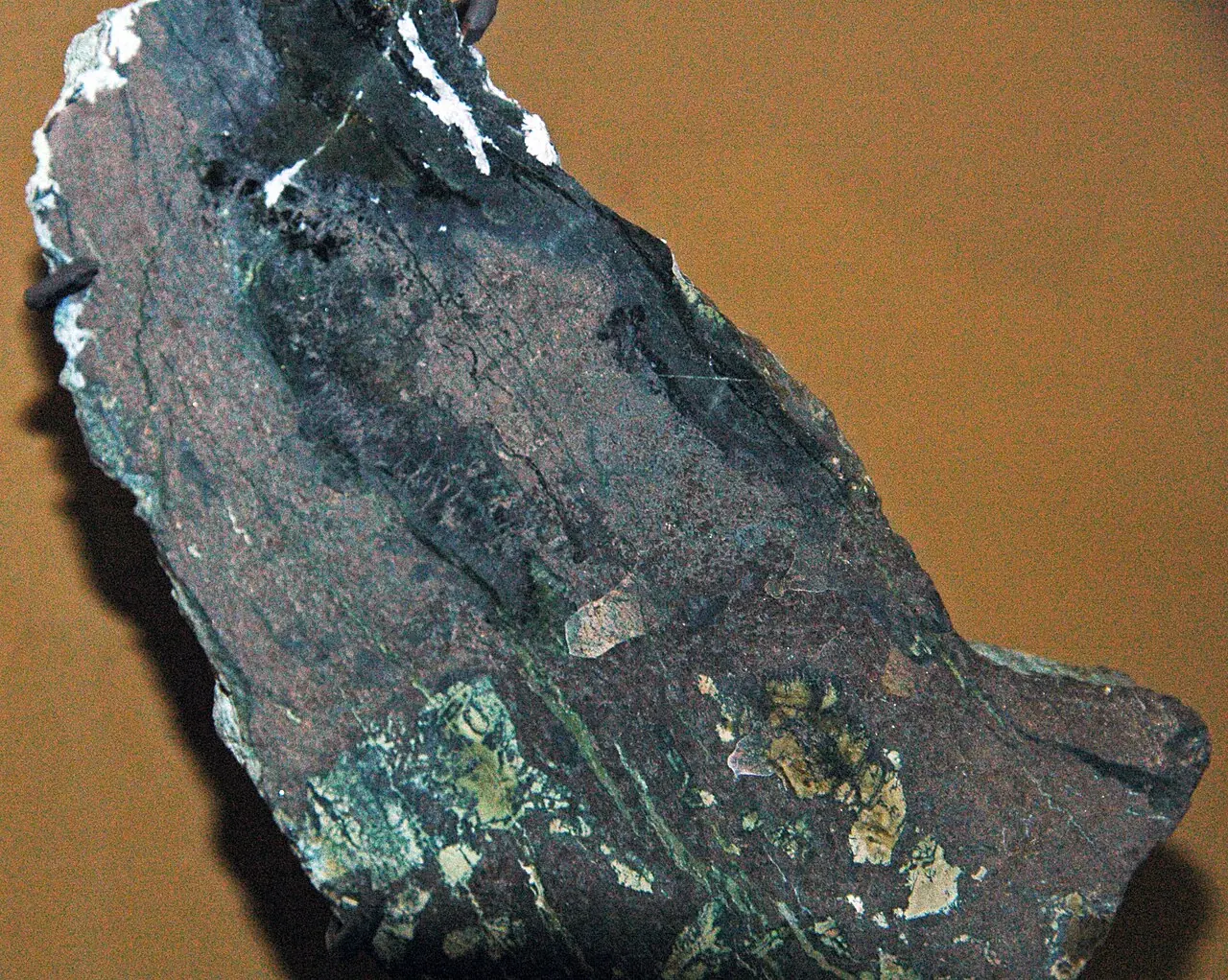
Cobalt closed near $56,290 a tonne on June 9, with the LME Cobalt (Fastmarkets MB) benchmark reading $56,548 across the June 5 to 8 window. That print is roughly 69 percent above the year-ago level and within a couple of percent of where the metal entered 2026. The price has stopped moving. The metal flow has not.
Two facts explain why a frozen price is the news. Less than half of the Democratic Republic of the Congo’s Q4 2025 to Q1 2026 cobalt export quota was actually filled, with only about 7,800 tonnes cleared for export between December and the end of February, per Fastmarkets sources. And Glencore’s Q1 2026 production report, filed in late April, recorded own sourced cobalt production of 5,800 tonnes, 3,700 tonnes lower than Q1 2025 (a 39 percent year on year decline), explicitly because “DRC assets are now prioritising copper production as existing finished cobalt inventories are sufficient to fully deliver into near-term quota levels.”
The DRC, sitting on roughly three quarters of global cobalt mine supply, is no longer optimizing for cobalt. It is optimizing for copper. And the AI buildout is the customer that made the math work.
What’s happening
The DRC’s quota system, set in October 2025 to replace the February 2025 export ban, allocated 96,600 tonnes for 2026 across the industry, with CMOC alone receiving roughly 31,200 tonnes, about 27 percent of its 2024 share, per Ecofin Agency. CMOC produced 61,073 tonnes in the first half of 2025 alone. The quota is a structural cut, not a glide path.
The cobalt overhang did not stop CMOC from investing. On October 24, 2025, CMOC’s board approved $1.08 billion for a Phase 2 expansion of the Kisanfu copper-cobalt project. The expansion is sized to add roughly 100,000 tonnes per year of copper, not cobalt, with commissioning targeted for 2027. The cobalt that comes out as coproduct is now a problem to manage, not a product to sell.
Glencore’s Q1 numbers tell the same story from a different angle. African copper cathode rose sharply on improved grades. African cobalt fell 39 percent. The pivot is happening in the same pits.
The customer is identifiable. Wood Mackenzie’s data center power team estimates AI workloads will lift copper demand for grid infrastructure alone to 1.1 million tonnes per year by 2030, with a further roughly 700,000 tonnes flowing into the data center “box itself” (the facility wiring, busbars, and internal power systems) between now and the end of the decade. The near-term refined balance has loosened. The International Copper Study Group flipped its 2026 forecast in April, moving from the 150,000-tonne deficit it carried in October 2025 to a 96,000-tonne surplus, on lower expected refined demand growth (1.6 percent versus a prior 2.1 percent) and higher secondary refined production. The reversal does not unwind the structural AI copper thesis. It says scrap and softer non-AI demand are absorbing more of 2026’s primary balance than the October read assumed. The DRC’s pivot still optimizes for what the AI buildout ultimately pays for: refined copper units, with cobalt overhang as the externality.
Brazil
Brazil sits awkwardly in this picture. Vale’s Q1 2026 production report logged 49.3 kt of nickel and 102.3 kt of copper, with full year guidance of 175 to 200 kt and 350 to 380 kt respectively. Cobalt is a by-product of Vale’s nickel laterite operations, including Onça Puma in Pará (whose second furnace ran a full quarter for the first time in Q1) and Voisey’s Bay outside Brazil. Vale does not publish cobalt as a standalone line. The volumes are small. The optionality matters because a quota-era cobalt price floor monetizes by-product cobalt that historically sat in tailings or refining margins.
The R$1 billion Critical Minerals FIP that Vale and BNDESPAR anchored in 2024 has been deploying capital since early 2025, with nickel and cobalt among its target verticals. Tantalum covered the architecture on May 26 in the BNDES-Vale fund piece. The R$15 billion Sovereign Brazil Plan Credit Line presented to IBRAM in May 2026 sits alongside it, targeting established operators building mine and processing capacity. Either channel, if it directs allocation toward Brazilian nickel-cobalt by-product capacity, lands directly into the kind of refining gap that becomes valuable when the dominant producer is restricted by quota.
Brazil does not have a cobalt sulfate refinery. That is the missing piece. The DRC quota era rewards refining capacity outside FEOC geography. Brazil has the nickel laterite resource. It does not yet have the downstream.
United States
DPA Title III money since 2023 has targeted exactly this gap. Talon Metals, in a joint venture with Rio Tinto on the Tamarack nickel-copper-cobalt project in central Minnesota, signed a $20.6 million DoD agreement in September 2023 to accelerate exploration. CSIS in a recent commentary proposed a US cobalt price floor mechanism specifically to address what it called structurally underinvested non-DRC supply.
The price floor question is less academic now. With LME cobalt at $56,000, the floor is already there. The IRA 30D battery sourcing rules and the FEOC entity definitions mean that quota-constrained Chinese-affiliated cobalt is increasingly hard to use in qualifying battery packs sold into the US market. The price signal and the policy signal point at the same gap: refining capacity outside DRC and outside China.
China
CMOC is exhibit A for the China read. The $1.08 billion Kisanfu Phase 2 was a copper bet, not a cobalt bet, but the same hole produces both. CMOC’s strategy is to take the cobalt as coproduct, build inventory, and wait for either a quota expansion or an enforcement gap. China’s processing share of refined cobalt, which the Cobalt Institute and other recent industry data place in the 75 to 79 percent range, is unaffected by the DRC quota. The constraint is upstream, not downstream.
Tsingshan’s Indonesian HPAL operations are the other China-aligned channel. Indonesian nickel-cobalt by-product, processed in China, is the workaround for any Western buyer trying to source non-DRC units that have not actually left the FEOC perimeter.
What it means
The flat cobalt price masks two opposite forces in tension. Fastmarkets projects a structural shortfall of roughly 10,700 tonnes against demand near 292,300 tonnes in 2026. Traders quoted in industry coverage have floated 45,000 to 65,000 tonnes if quotas are strictly enforced. The DRC needs the royalty revenue. China needs the cobalt to keep its refining utilization rates high. Neither side wants the quota to break, and neither wants it to flex too far.
For Brazil, the question is whether Vale and BNDES can move fast enough to convert the Onça Puma ramp into a credible non-FEOC cobalt-credit story before the quota system either loosens or gets replaced by something tighter. For the US, the question is whether DPA and IRA money can stand up refining capacity at $56,000 cobalt before the price either drifts higher (quota strictness) or collapses (CMOC stockpile release). For China, the question is how long copper-pull economics can subsidize what looks, on the cobalt line, like discounting.
What to watch
- The DRC Q2 2026 export clearance number, due from the Ministry of Mines mid-July. A fill rate below 70 percent of the quarterly allocation tightens the price further.
- CMOC’s H1 2026 results, expected in August, for the cobalt-stockpile disclosure. The size of the inventory build is the leverage point for any future quota negotiation.
- BNDES FIP first deployment announcement, expected during H1 2026. A first allocation into a Brazilian nickel-cobalt junior is the signal the fund’s cobalt mandate is real.