Codelco's audit cracks the AI copper math. Chile just got worse in writing.
A May 21 firing. 27,000 tonnes misclassified between Chuquicamata and Ministro Hales. Chile's April total down 13.8 percent. The hyperscalers' load-bearing input has a credibility problem at the largest single source.

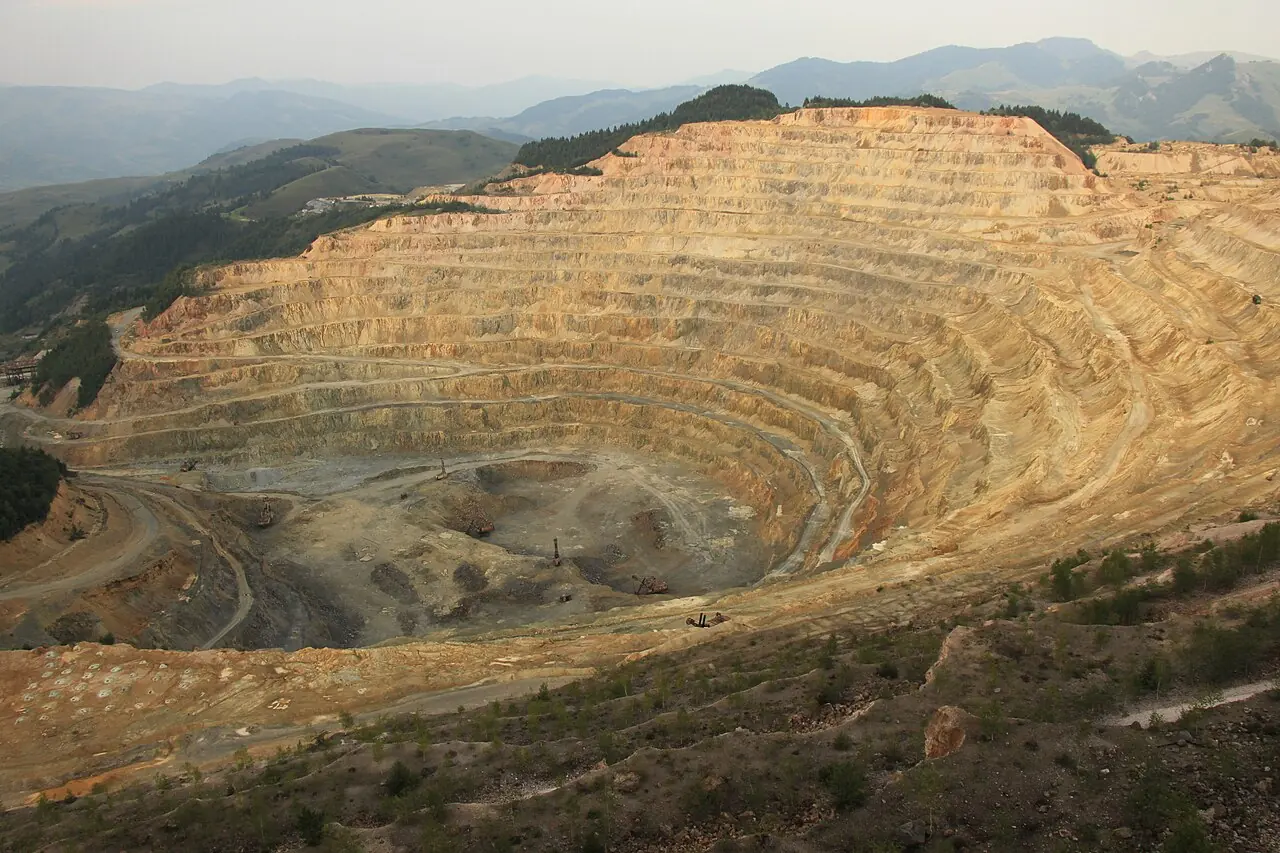
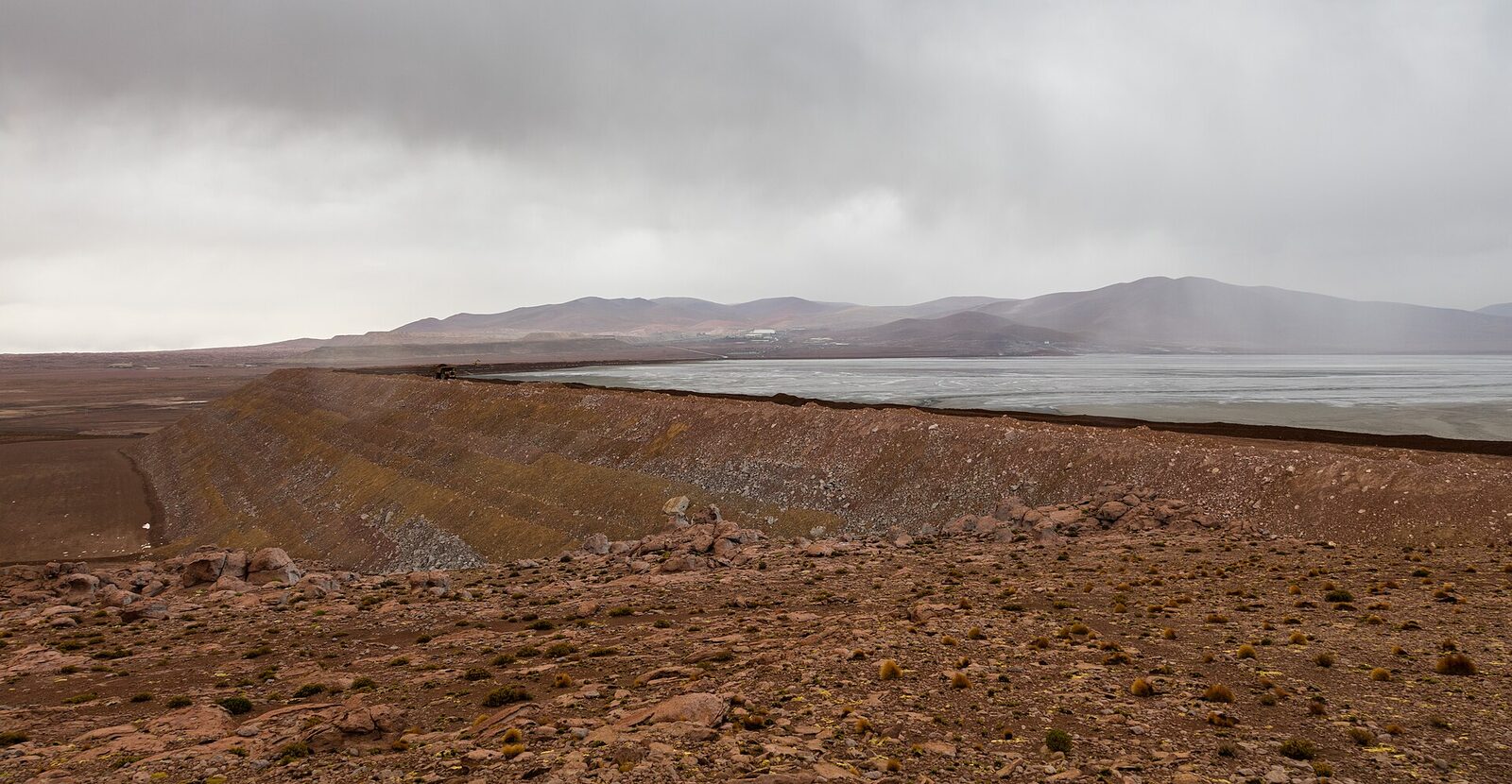
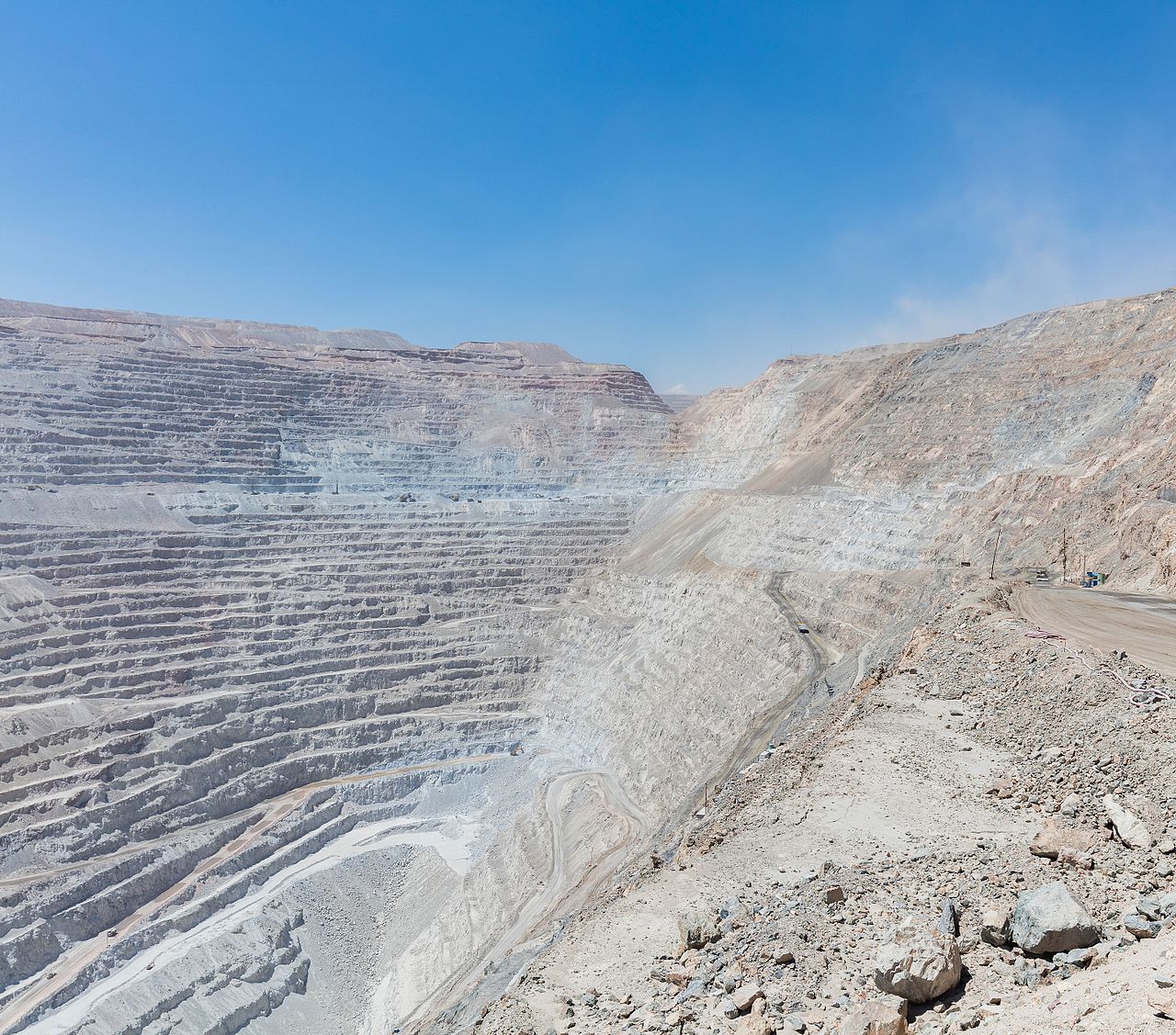
Codelco fired an executive on May 21, 2026 and disciplined seven other current and former executives after an internal audit found roughly 27,000 tonnes of 2025 production was misclassified as finished copper when it was actually work-in-process inventory: 20,000 tonnes from Chuquicamata, 6,875 from Ministro Hales [Mining.com, May 21, 2026]. The adjustment is about two percent of full-year output. It also drops Codelco’s 2025 total to its lowest level since 1997 [Bloomberg via Mining.com, May 29, 2026]. The April 2026 print, released by Chile’s INE statistics office on Friday May 29, put total Chilean mine output at 399,954 tonnes, down 13.8 percent year on year, with output pressured by lower ore grades at major operations [Reuters via Mining.com, May 30, 2026]. Codelco itself dropped almost ten percent to 110,900 tonnes for the month; BHP’s Escondida fell sixteen percent to 101,600 tonnes; the Collahuasi joint venture fell eleven percent to 31,400 tonnes [Reuters via Mining.com, May 30, 2026]. The world’s single largest copper producer just told the market its supply side is structurally worse than reported, in the same week hyperscalers are sizing the next gigawatt of AI compute.
What the audit and the April print actually say
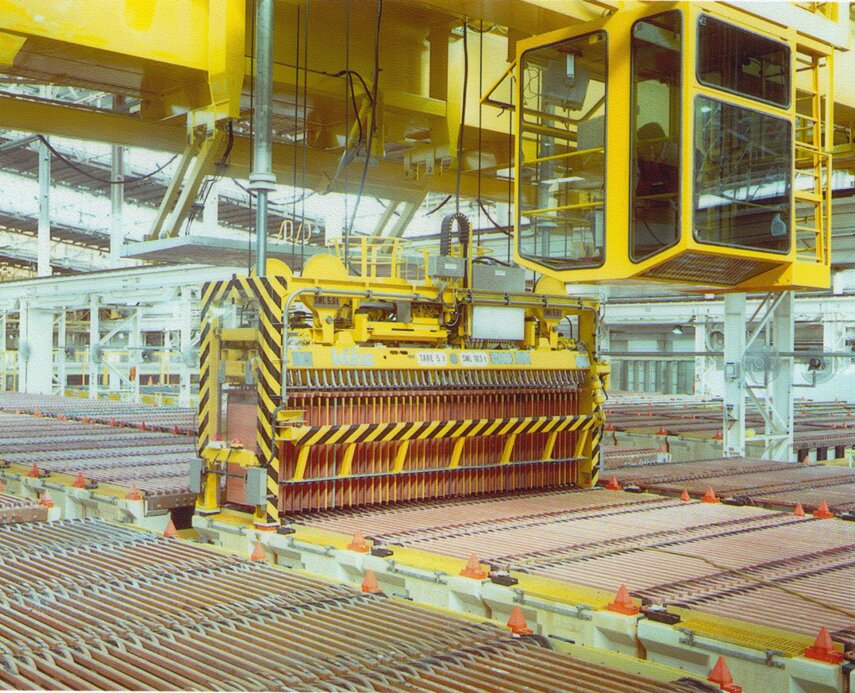
The Chuquicamata and Ministro Hales tonnes did not vanish. They required further processing and should have been recorded as work-in-process inventory rather than finished output [Mining.com, May 21, 2026]. Plusmining consultancy’s Juan Carlos Guajardo, quoted in the same Mining.com piece, said the misclassification let Codelco hit its December 2025 production target and deliver the company’s strongest monthly output of the decade, far above the January-to-November average of 105,600 tonnes [Mining.com, May 21, 2026]. Codelco’s own investigation, separately, identified distortions in the calculation of corporate targets and incentive payments tied to those numbers, plus improper use of exception rules and failures in mandatory approvals [Mining.com, May 21, 2026]. The company referred the matter to public prosecutors and identified seven current executives and one former executive as responsible. The board has also ordered an external forensic auditor to review 2024 and 2025 production figures and the costs associated with renovating headquarters [Bloomberg via Mining.com, May 29, 2026].
President José Antonio Kast’s administration moved fast on the structural answer. Economy and Mining Minister Daniel Mas wrote on X that “Codelco is out of control” and that the government had a duty to restore transparency and accountability [Mining.com, May 21, 2026]. Bernardo Fontaine was appointed Codelco chairman in mid-May and took office on May 26 [Mining.com, May 29, 2026]. At his first board meeting that week, Fontaine signaled a strategic pivot: “Our mandate is not to produce for the sake of producing, but to do so safely, efficiently and profitably” [Bloomberg via Mining.com, May 29, 2026]. Directors agreed to maximize contributions to the state while avoiding additional debt, which is near record levels [Bloomberg via Mining.com, May 29, 2026]. The implication is a tighter capex line on the brownfield expansions that were supposed to lift Codelco’s near-term output.
What this does to AI copper math
A 100 MW hyperscale data center block absorbs several thousand tonnes of copper before grid reinforcements are counted. The 27 to 33 tonnes per MW figure this desk has been using is a desk estimate built from industry references (Copper.org reserve and use data, plus an Investing.com analysis published in May 2026), not a single audited benchmark. Treat the range as orientation, not measurement. Chile’s April shortfall versus an implied 2025 April baseline of around 464,000 tonnes is roughly 64,000 fewer tonnes for the month at the country level alone. Applied to that hyperscale intensity range, the single April shortfall is in the order of two gigawatts of unbuilt-in-time data center capacity worth of copper before any of the FAST-41 or Project Vault interventions can mobilize new tonnes [Tantalum, May 29, 2026]. Copper is fungible, the math is back-of-envelope, and the actual import flows route through smelters and traders that smooth a country-level shock. The ratio is the point. The binding constraint on the AI buildout is not anyone’s PowerPoint. It is the same finished-copper pipeline the Codelco audit has now flagged.
Vale’s Carajás run is the cleanest contrast inside SDX
Vale’s Q1 2026 copper output of 102.3 kt was up thirteen percent year on year, with records at both Salobo and Sossego, per the company’s April 28 6-K [Vale 6-K, April 28, 2026]. The Sossego SAG mill is still scheduled for a 110-day planned shutdown in the second half of 2026, which will pull Q3 and Q4 numbers down (carried forward from this desk’s May 29 coverage of Vale’s Q1 disclosure; the original maintenance guidance was reported by Mining.com). Even with that drag, the Brazilian copper case reads materially different from the Chilean case this quarter: Vale’s brownfield expansion through Bacaba at Carajás is moving on schedule, the CFEM royalty regime is settled, and the permit-to-production cycle is structurally shorter than the US greenfield equivalent. The Southern Diversification Index closed May 22 at 96.1, down 3.9 percent year to date [Tantalum indexes.json, May 22, 2026], pressed lower by Pensana, Pilbara, and Sigma Lithium. The Codelco news does not lift SDX directly. It sharpens the relative case for the Brazilian constituent inside it.
Washington was already pricing this in
The Trump administration’s Project Vault stockpile, USD 10 billion of EXIM loan capacity announced February 2, 2026, and the Federal Permitting Improvement Steering Council’s April FAST-41 grant to Trilogy Metals’ Arctic copper and critical minerals project in Alaska were already pricing a Chilean supply softening into the federal posture [Tantalum, May 29, 2026]. The audit moves that read onto Codelco’s own letterhead. No US copper mine cleared through FAST-41 in 2026 will ship refined cathode before 2030 on any honest schedule. Until then, the structural play remains importing more from Brazil and the African Copperbelt while domestic capacity reaches construction.
Beijing’s posture has not moved
China refines roughly fifty percent of global copper supply. The annual TC/RC benchmark settled at zero per tonne in January 2026 (covered here last week), Chinese top smelters cut output by more than ten percent for 2026, and Beijing halted around 2 million tonnes of planned new smelter capacity [Fastmarkets, 2026; Tantalum, May 29, 2026]. The White House recap of the May 17 Trump and Xi leaders summit did not touch copper [KFGO, US News, May 17, 2026]. Chinese refining processes Chilean concentrate, so a Chilean supply contraction tightens both ends of the Chinese smelter chain at once. None of that produces additional refined copper for an American or Brazilian data center.
The column is leaning
TAI-M closed May 22, 2026 at 101.8, up 6.4 percent year to date [Tantalum indexes.json, May 22, 2026]. Copper has been doing most of the heavy lifting in that move. Last Friday this desk wrote that copper is the AI buildout’s “load-bearing column.” After the Codelco audit and the April Chile print, the column is leaning. TAI and SDX are thematic indexes that apply a documented editorial overlay; naive replication from public commodity feeds alone will diverge. See /indexes/methodology.
What to watch
- Cochilco’s May Chile production print, due mid-June. If May extends April’s 13.8 percent year on year drop, Chile’s first half 2026 output will undercut the already-revised 2025 baseline rather than recover off it.
- Fontaine’s external forensic audit findings, expected later in 2026. The May 21 firing is the headline. The board’s scope, two full production years (2024 and 2025) plus headquarters renovation costs, points to more, not less.
- The Sossego SAG mill restart at Vale in late 2026. Brazilian copper is the cleanest contrast inside the SDX, and the Q3 inventory drawdown is the operational read.