Chile to file Salar Futuro this fortnight as Tianqi trims its SQM stake
NovaAndino is set to lodge the environmental study for a $3 billion direct-extraction lithium project targeting 280,000 to 300,000 tonnes LCE a year from 2031. Brazil's entire current output is one-fifth that. Tianqi is selling down.

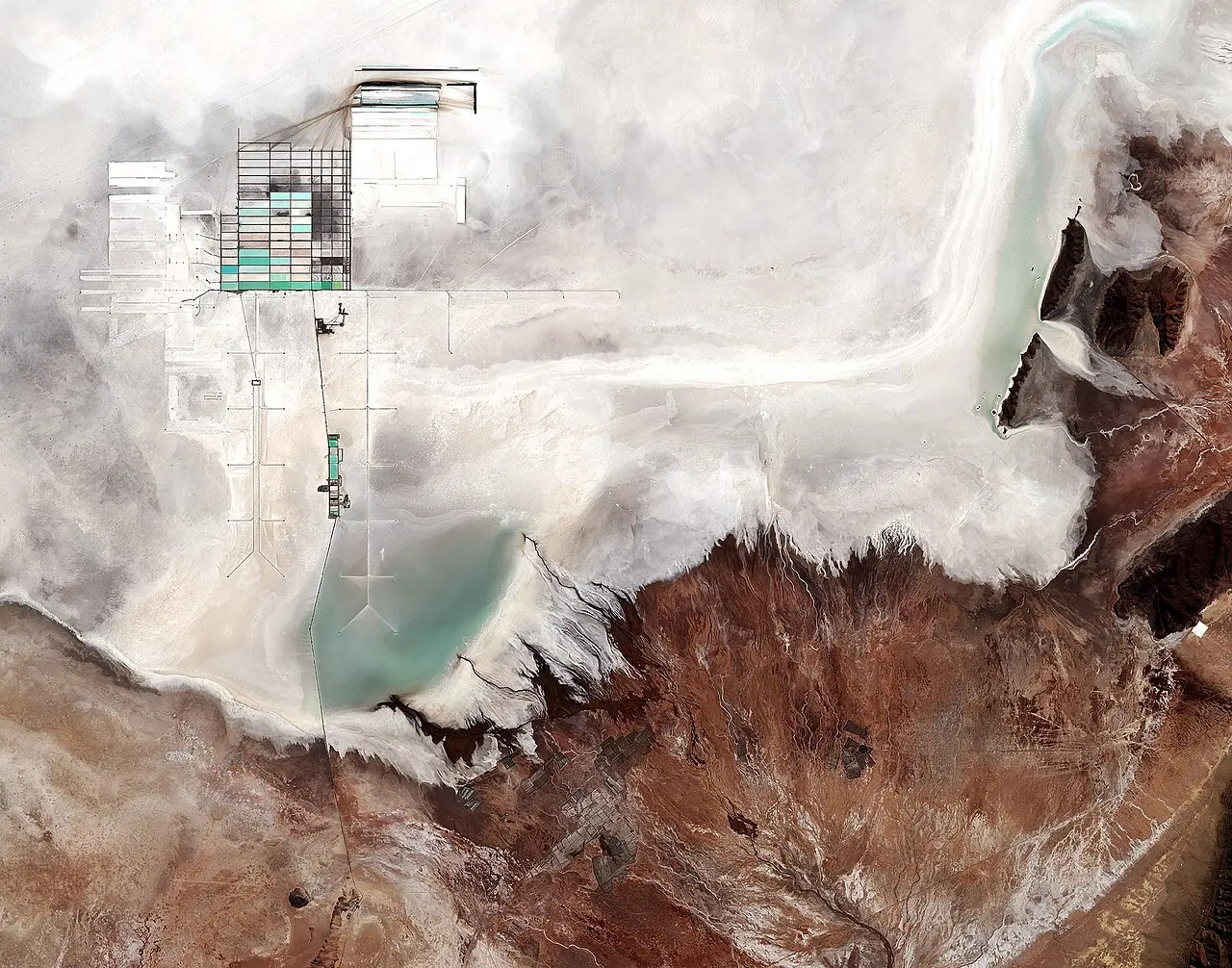
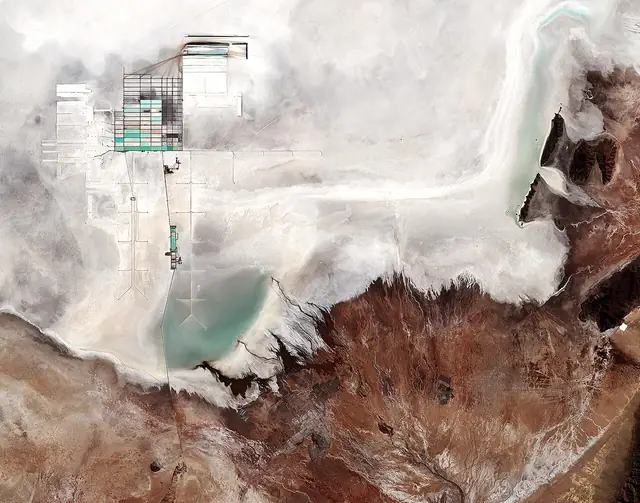
The biggest lithium project in the Atacama is about to enter Chile’s regulatory queue. NovaAndino Litio, the joint venture in which state copper miner Codelco holds 50 percent plus one share alongside SQM, told regulators in March it would file the Salar Futuro environmental impact study in the second half of June 2026. That fortnight is now [Mining.com, March 19, 2026].
The project’s pitch is one of the most concentrated bets in the global battery supply chain: $2 billion to $3.5 billion of capex, direct lithium extraction technology designed to use far less water than evaporation ponds, and annual production of 280,000 to 300,000 tonnes of lithium carbonate equivalent from 2031 through 2060 (with 300,000 tonnes of additional cumulative output targeted across 2025-2030) [Mining.com, March 19, 2026; Mining Weekly, May 27, 2026]. The Codelco-SQM venture runs from 2025 through 2060, in two phases: SQM oversees general management through 2030, then Codelco takes management from 2031 [SQM press release; AméricaEconomía, 2026]. The Chilean state is structured to capture roughly 70 percent of operating margins on new production through 2030 and 85 percent from 2031 onward, through Corfo royalties, treasury taxes, and Codelco profit share [Buenos Aires Times, 2026].
What’s happening
- NovaAndino Litio is the rebranded Codelco-SQM JV, with Codelco controlling “50 percent plus one share” [NovaAndino Litio, acuerdocodelcosqm.cl].
- The Salar Futuro environmental impact study is being prepared for the Chilean Servicio de Evaluación Ambiental in the second half of June 2026 [Mining.com, March 19, 2026].
- Production target: 280,000 to 300,000 tonnes LCE per year from 2031 to 2060, on DLE technology; 300,000 tonnes LCE in cumulative additional output across 2025-2030 [Mining.com, March 19, 2026].
- Capex range: $2 billion to $3.5 billion, among the largest single-asset lithium investments globally [Mining Weekly, May 27, 2026].
- Tianqi Lithium, which held 22.16 percent of SQM after its 2018 acquisition, was reduced to 21.9 percent as of February 2026 and announced plans on February 4 to sell up to 3.566 million SQM Class A shares, roughly a 1.25 percent stake worth $206 million at the Feb. 3 book value [Caixin Global, February 6, 2026].
- Tianqi’s sell-down followed its final legal defeat against Chile’s lithium nationalization framework [Caixin Global, January 30, 2026].
Brazil angle
Brazil’s lithium output in 2026 is estimated at 60,600 tonnes LCE, with three operational plants (Sigma Lithium, CBL, AMG) and 25 projects in earlier stages [Fastmarkets, 2026]. Sigma Lithium, the largest of the three, has a nameplate capacity of 270,000 tonnes of lithium oxide concentrate per year at Grota do Cirilo in the Vale do Jequitinhonha, equating to roughly 38,000 to 40,000 tonnes LCE [Sigma Lithium Corp., SEC 6-K filings 2026]. The company is building a second Greentech plant aimed at doubling concentrate capacity to 520,000 tonnes [Sigma Lithium press release, 2026]. Sigma also won an appeal in Minas Gerais on June 9, 2026, overturning a lower-court order related to alleged irresponsible waste disposal at Grota do Cirilo [Mining.com, June 9, 2026].
Even at full Sigma Phase 2 build-out, Brazil’s lithium volume sits at perhaps 75,000 tonnes LCE. Salar Futuro alone is targeting four to five times that. Brazil’s Política Nacional de Minerais Críticos e Estratégicos (PNMCE), passed by the Chamber of Deputies 343 to 97 on May 6-7, 2026, awaits Senate review [discoveryalert.com.au, 2026]. The contrast in execution velocity is the policy headline: Chile is filing the world’s largest lithium permit while Brazil debates the bill.
US angle
US battery procurement runs through IRA 45X production credits and the Foreign Entity of Concern rules in the 30D EV credit framework. Chile is an FTA partner. Lithium from Salar Futuro qualifies as IRA-compliant battery material, assuming Tianqi’s residual stake in SQM continues to fall below FEOC thresholds. The State’s 50-percent-plus-one position in NovaAndino caps Chinese influence on this specific output, which is precisely the structural argument US trade negotiators have wanted to make on lithium for two years.
DLE is the technology layer. Albemarle backs Lilac Solutions, Standard Lithium is running a large-scale demonstration plant in El Dorado, Arkansas (Aquatech DLE unit, over 15,000 cycles, 95 percent recovery) and is in DFS/FEED for its 45,000 tonnes per annum commercial South West Arkansas project, and ExxonMobil’s Saltwerx subsidiary is targeting first commercial DLE production from the Smackover formation in southern Arkansas in 2027 [Standard Lithium press release, April 22, 2026; Oil & Gas Journal, 2026; ExxonMobil, 2023]. Salar Futuro at the 280,000 to 300,000 tonnes LCE/year scale is the largest commercial-stage DLE bet announced anywhere.
China angle
Tianqi held its 22 percent SQM stake since the 2018 Nutrien sale. It has now lost the legal fight to block Codelco’s controlling position, and Caixin reports it intends to “improve liquidity” by reducing exposure [Caixin Global, February 6, 2026]. The 1.25 percent sell-down announced in February is a first slice. The strategic read: Beijing’s leverage over the world’s lowest-cost brine basin is being marked down at exactly the moment Chile reframes the assets as state assets with majority-state margin capture.
For CATL and Ganfeng, which operate the dominant conversion capacity, the loss of an upstream Chilean foothold matters less than it would have five years ago: most of the SQM lithium that mattered to them was already contracted out. But it removes a hedge against future supply tightening.
What it means
The structural point: lithium pricing is well off the 2024 peak (Fastmarkets CIF China/Japan/South Korea touched roughly $20,000 to $22,500 per tonne in a brief February 2026 spike; China carbonate has since dropped to CNY 163,000 per tonne in June, the lowest in nearly two months) [Fastmarkets; Trading Economics, June 2026]. New 300,000-tonne projects only get final investment decisions in a price environment where DLE economics work at sub-$20,000 LCE. The environmental study is also an argument that DLE can produce premium-priced low-water lithium that holds margin through the cycle.
For Tantalum’s indexes: SDX (lithium triangle exposure including SQM, Antofagasta, Arcadium, Sigma Lithium) currently reads 96.1, down 3.9 percent year to date, dragged by lithium spot weakness. Salar Futuro’s permitting milestone is the kind of catalyst that resets SDX sentiment without resetting spot. TAI-M, which carries lithium via the LIT ETF proxy, sits at 101.8.
What to watch
- The actual SEA filing notice on Chile’s regulator portal. The March commitment was “second half of June.” A late-June or July-1 slip is the first signal.
- Tianqi’s next disclosure on its SQM position. The Feb. 4 announcement covered a 1.25 percent slice. Whether Tianqi commits to a full exit timetable will appear in its Shenzhen filings.
- Brazil Senate vote on PNMCE. If the bill clears before recess and the Lula administration signs in Q3, Brazil’s lithium project pipeline gets a federal financing anchor. Sigma already secured a $100 million collateralized bank guarantee from a major Brazilian bank on April 2, 2026, separate from BNDES’s existing BRL 486.8 million Plant 2 commitment [Sigma Lithium press release; Junior Mining Network, 2026]. That financing stack is the comparator to watch alongside Salar Futuro permitting timelines.
The desk’s indexes are thematic and editorial, not benchmark-grade. They use weekly proxies (LIT, REMX, URA, XLU) and an editorial overlay; methodology is at tantalum.info/indexes/methodology. Full backtest validation is planned at the one-year mark in January 2027.