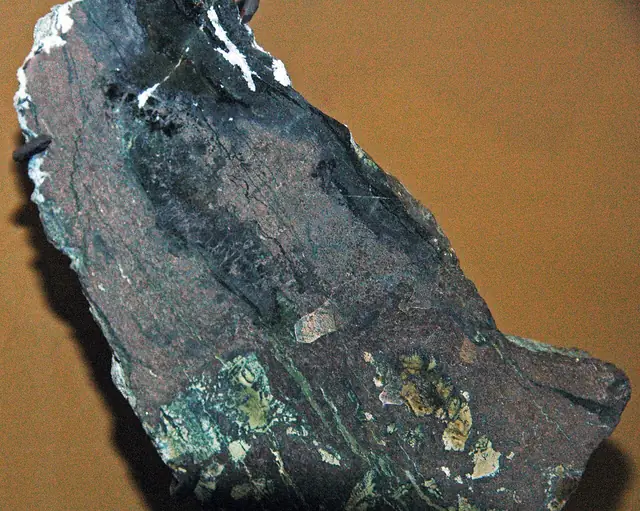
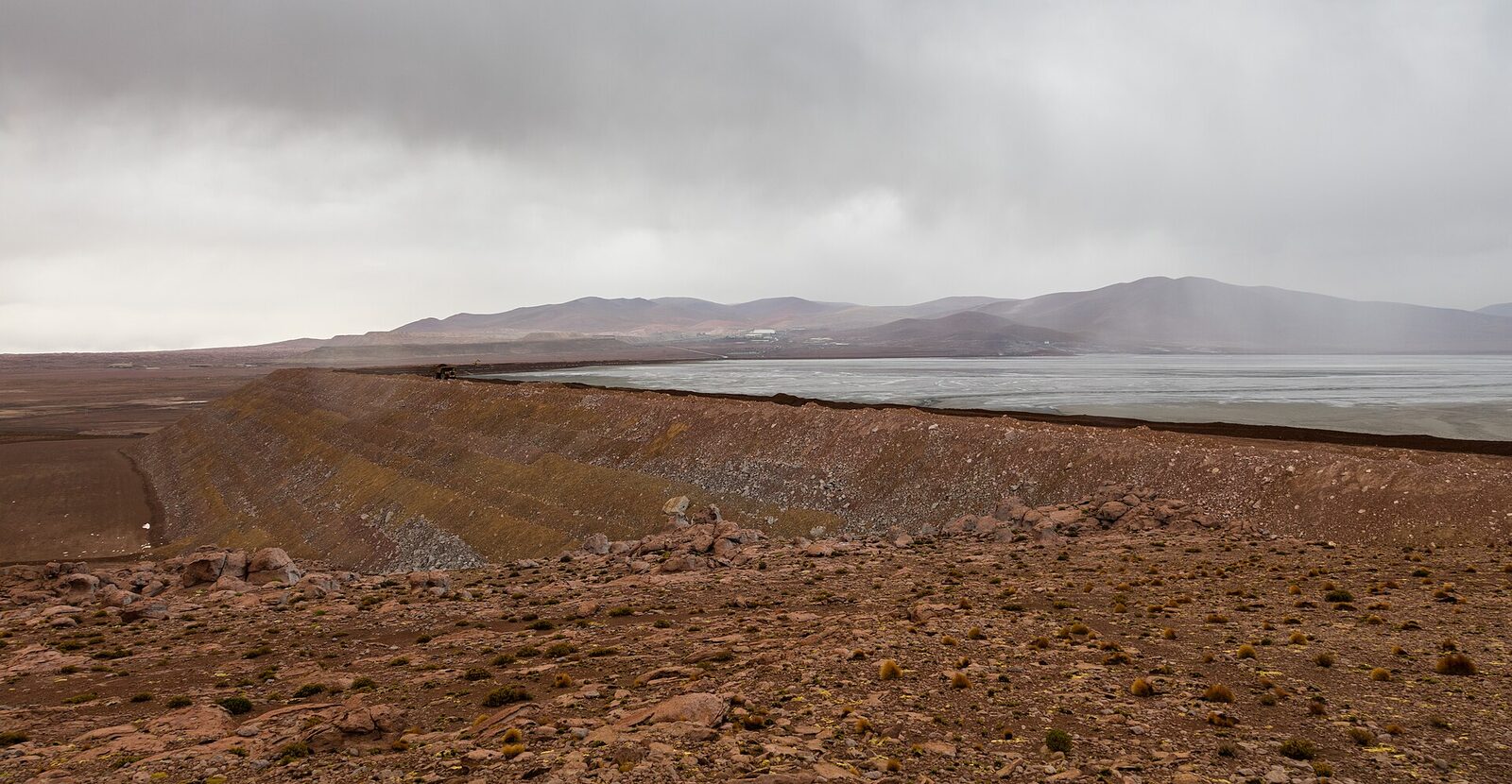
Congo reported no uranium output. Thousands of tonnes likely left in cobalt.
A Nature Communications study puts 2,000 to 5,000 tonnes of natural uranium in DRC cobalt shipments since 2000. A study co-author says under a tenth appears to have been declared and safeguarded.

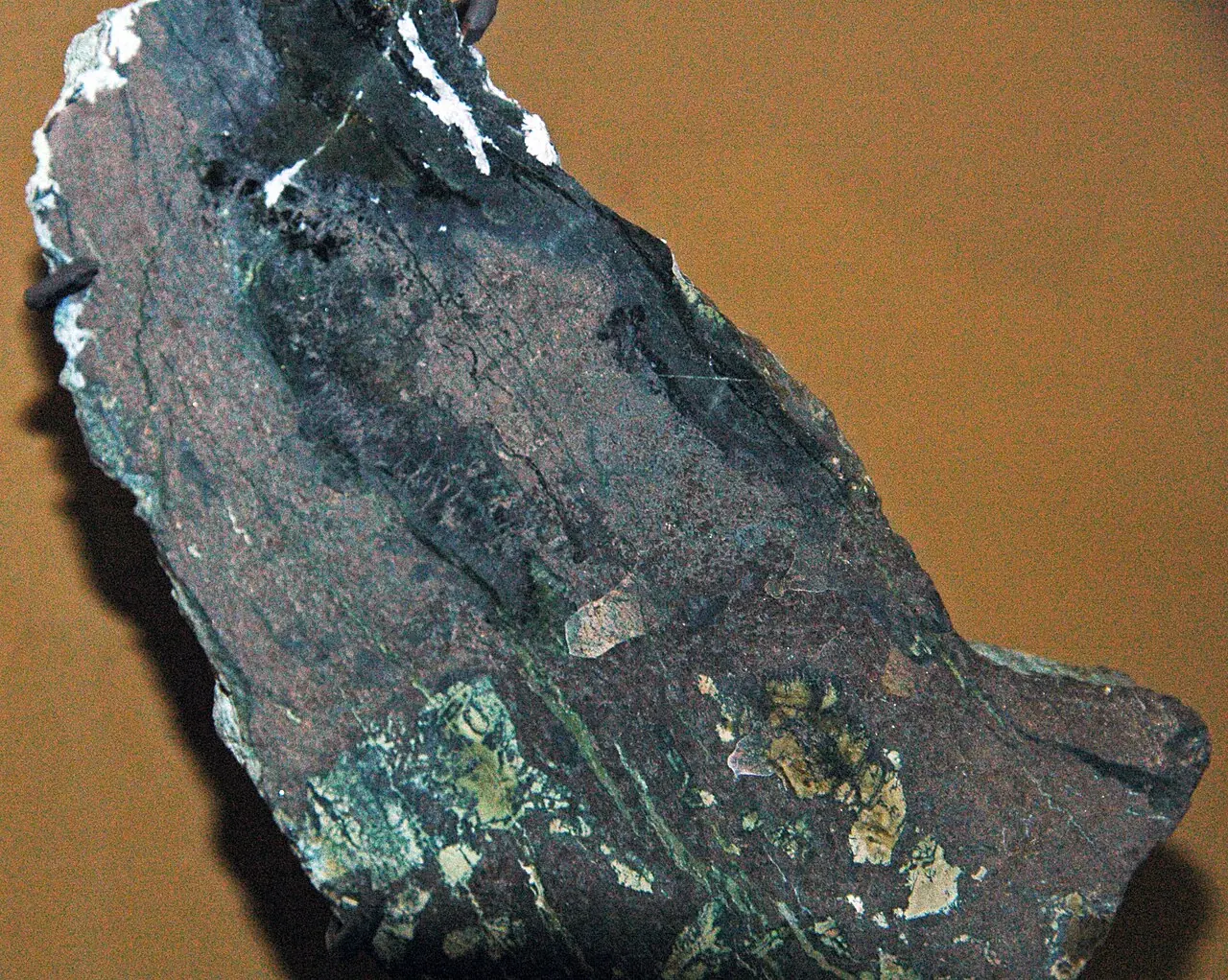
Kinshasa said it will test cobalt hydroxide shipments for uranium, consult the International Atomic Energy Agency about a technical support mission, report publicly on health and environmental risk within 60 days, and install radiation detectors on trucks leaving the country [Mining.com, 2026-08-07].
The trigger was a study published on 30 July in Nature Communications, examined in a joint Financial Times and Lighthouse Reports investigation. Researchers at the University of Wisconsin-Madison and Princeton estimated that 2,000 to 5,000 tonnes of natural uranium likely left the DRC inside cobalt-hydroxide shipments between 2000 and 2024, a period in which the country reported no official uranium production [Mining.com, 2026-08-07].
What’s happening
- The estimate is modelled, not measured. The authors combined country-wide mineralization and geochemical data, mine-level trade records, and a chemical model of cobalt processing [Mining.com, 2026-08-07].
- A further 1,000 to 4,000 tonnes may sit in tailings, flagged as a worker and community exposure risk because the material is chemically mobile [Mining.com, 2026-08-07].
- Less than 10 percent of the exported material appears to have been publicly declared and placed under international safeguards, according to study co-author Sébastien Philippe of the University of Wisconsin-Madison. He put the quantity at roughly enough to produce fissile material for 600 to 1,500 nuclear weapons, or to fuel a standard light-water reactor for 10 to 25 years. Natural uranium is not itself weapons-usable, and the enrichment step that phrase implies is the whole distance between the two [Mining.com, 2026-08-07].
- Philippe was explicit that the research does not show the uranium was exported deliberately to obtain it. His stated concern is that the volumes exceed what is supposed to be declared to the IAEA [Mining.com, 2026-08-07].
- The regulatory gap is narrow and specific. The IAEA tracks uranium production, but low-grade uranium-bearing cobalt exports do not require reporting when shipped for non-nuclear purposes. An IAEA expert cited in the reporting said the agency had no indication the DRC was failing to meet its safeguards obligations [Mining.com, 2026-08-07].
- Kinshasa is not conceding the numbers. It called for a counter-verification process on the grounds that the estimates rest on modelling not specific to individual facilities, while saying it was not minimising the issues raised [Mining.com, 2026-08-07].
- The operators dispute the scale, not the presence. The Union of Chinese-Capital Mining Companies in the DRC said on 5 August that an internal verification found no cobalt product from its members containing excessive uranium. It separately acknowledged that cobalt hydroxide can carry very low naturally occurring uranium traces, but said concentrations sit below any level making recovery technically or economically viable. Major Chinese miners in the country include CMOC Group, Zijin Mining and Zhejiang Huayou Cobalt [Mining.com, 2026-08-07].
Why this sits on the AI ledger
Two links, and it is worth separating what the sources say from what this desk is inferring.
The sourced part: cobalt is a key material in some lithium-ion batteries. Most DRC shipments go to China, which the researchers said holds about 95 percent of global cobalt refining capacity, and uranium in crude cobalt hydroxide must be removed during refining, potentially leaving it as a recoverable byproduct [Mining.com, 2026-08-07].
The desk’s inference, stated as such: lithium-ion is what sits behind the uninterruptible power supply and battery storage layer of a hyperscale campus, so cobalt is not in the GPU, it is in the equipment that keeps the GPU alive through a grid event. No source here connects DRC cobalt to data centre procurement, and readers should treat that as our read. The sharper version is that one Copperbelt ore stream carries both an AI battery input and, incidentally, unmeasured quantities of natural uranium, the material the nuclear power purchase agreements behind the AI buildout ultimately run on. That convergence is our argument, not the study’s.
Concentration itself is not in dispute. The desk’s SOV50 score reads cobalt at an HHI of 0.51 with the DRC near 70 percent of production, derived from USGS Mineral Commodity Summaries data last published in January 2025 [Tantalum Strategy index data]. The study does not change that ratio. It raises a separate question about what else was inside the tonnes already being counted.
Not only a Congo problem
Rare earth processing can concentrate naturally occurring uranium and thorium into waste streams, and the flowsheet is often the enhancement step: cracking, leaching, purification and solvent extraction tend to partition uranium and thorium into filter cakes, sludges, tailings and leach solutions [Rare Earth Exchanges, 2025-12-30].
The rules then diverge sharply. Nuclear Regulatory Commission guidance has long held that a US exemption covering certain rare earth metals, compounds and products at or below 0.25 percent uranium and thorium by weight, or the two in combination, does not apply to incoming ore or to waste streams. China’s law on the prevention and control of radioactive pollution requires tailings repositories for tailings from the exploitation of uranium, thorium and associated radioactive minerals. Greenland’s uranium policy has been widely reported as banning development above 100 parts per million, and remains politically contested with a legal dispute overhang [Rare Earth Exchanges, 2025-12-30].
Brazil angle
Here is the desk’s argument, flagged as ours before we make it: the radiological burden that makes Brazilian rare earth projects expensive is also an institutional asset nobody is pricing.
Certain rare earth minerals are where this problem concentrates, especially monazite and often xenotime. Monazite commonly carries higher thorium and uranium than many bastnäsite-dominant carbonatites, and mineral sands circuits that separate it can generate radioactive concentrates and thorium-uranium-bearing residues even when the final rare earth product is comparatively clean. In Brazil, thorium and uranium push a project into a dual regime, conventional mining permitting plus CNEN-linked radiological rules, which can make monazite-heavy flowsheets capital-intensive quickly [Rare Earth Exchanges, 2025-12-30].
That reads as a cost. The counterweight is that Brazil and Argentina jointly created ABACC under the Guadalajara Agreement of 18 July 1991 to administer a full-scope system of accounting and control covering all nuclear material in both countries. The Quadripartite Agreement with the IAEA was signed on 13 December 1991 and entered into force on 4 March 1994. ABACC conducts visits plus routine, ad hoc and special inspections, and its routine inspections examine possible causes of material unaccounted for. As of a 2018 statement, its inspectors had performed more than 3,000 inspections since inception, running near 100 a year [NTI, ABACC profile, a page that stopped being updated in April 2026 and which carries an older and lower cumulative figure elsewhere in the same entry].
ABACC’s mandate is nuclear material in nuclear activities. Nothing in the record extends it to cobalt or to commercial rare earth residues, and we are not claiming it does. The point is narrower: the DRC reported no uranium production across a quarter century while thousands of tonnes plausibly left inside a non-nuclear commodity, whereas Brazil and Argentina have run a binational inspectorate headquartered in Rio de Janeiro since 1991 whose core function is reconciling declared inventory against measured inventory. If radiological chain of custody becomes something Western buyers price, that institutional habit is an asset South America already owns.
What it means
The cheap read is a proliferation scare. The more useful read is that the AI materials chain has been pricing minerals on grade, tonnage and offtake terms while paying little attention to what else is in the drum.
Kinshasa’s response suggests where this goes: measurement moves upstream, toward the host country. The researchers argued that refining cobalt into metal inside the DRC would give authorities greater control over uranium before the cobalt leaves [Mining.com, 2026-08-07]. That lands close to the value-capture case Hanoi made in December, when Vietnam approved restrictions on refined rare earth exports and reaffirmed its ban on ore exports to build domestic processing [Rare Earth Exchanges, 2025-12-30]. Residue accounting is becoming a bankability input rather than a compliance footnote.
What to watch
- Sixty days from the government’s announcement, reported 7 August 2026. The DRC’s public findings, and whether national and international laboratory testing corroborates or contradicts the 2,000 to 5,000 tonne range. Kinshasa has already requested counter-verification, so expect a contested number. The source gives the 60-day window without naming a start date.
- Whether the IAEA technical support mission is requested and accepted. Kinshasa said it plans to consult the agency. Our read is that a formal mission would put pressure on the reporting exemption for non-nuclear-purpose shipments, though no source says the exemption is under review.
- USMCC sampling disclosures. Members said they would conduct regular sampling and publish quality-control findings. Whether those appear, and whether the methodology is independently checkable, decides if this becomes a transparency story or a stalemate.
- Radiological chain of custody in offtake language. Watch for the first Western offtake agreement that specifies residue accounting or radiological testing as a term, which would signal the market has started pricing this.